Many shopping malls in the UAE invest in digital displays, yet many fail to attract real shopper attention. Overcrowded screens, dull LED or LCD panels, generic content, and poor placement often cause displays to blend into the background instead of standing out. When shopper movement and viewing behaviour are ignored, digital signage quickly loses its effectiveness.
In premium UAE malls, digital displays compete with luxury storefronts, striking architecture, and global brands. Without the right screen quality, strategic placement, and long-term content planning, even high-end displays struggle to create impact. Successful mall signage must be designed as part of the overall shopping experience and not treated as a simple advertising add-on.
How Shoppers Behave Inside UAE Malls
Shopping behaviour inside UAE malls is fast-paced, experience-driven, and highly influenced by layout and attractions. Shoppers typically move with a purpose, whether they are heading toward anchor stores, dining areas, or entertainment zones. Digital displays that ignore these movement patterns often go unnoticed, while screens aligned with natural pauses and traffic flow gain significantly higher visibility.
Typical shopper journey in UAE malls includes:
- Entry points and main access corridors
- Central atriums and open event spaces
- Anchor stores and popular retail brands
- Food courts, cafés, and dining clusters
- Cinemas, family entertainment, and leisure zones
High footfall periods are usually concentrated during:
- Weekends
- Evening hours after work
- Tourist seasons and major events
Areas where shoppers naturally pause include:
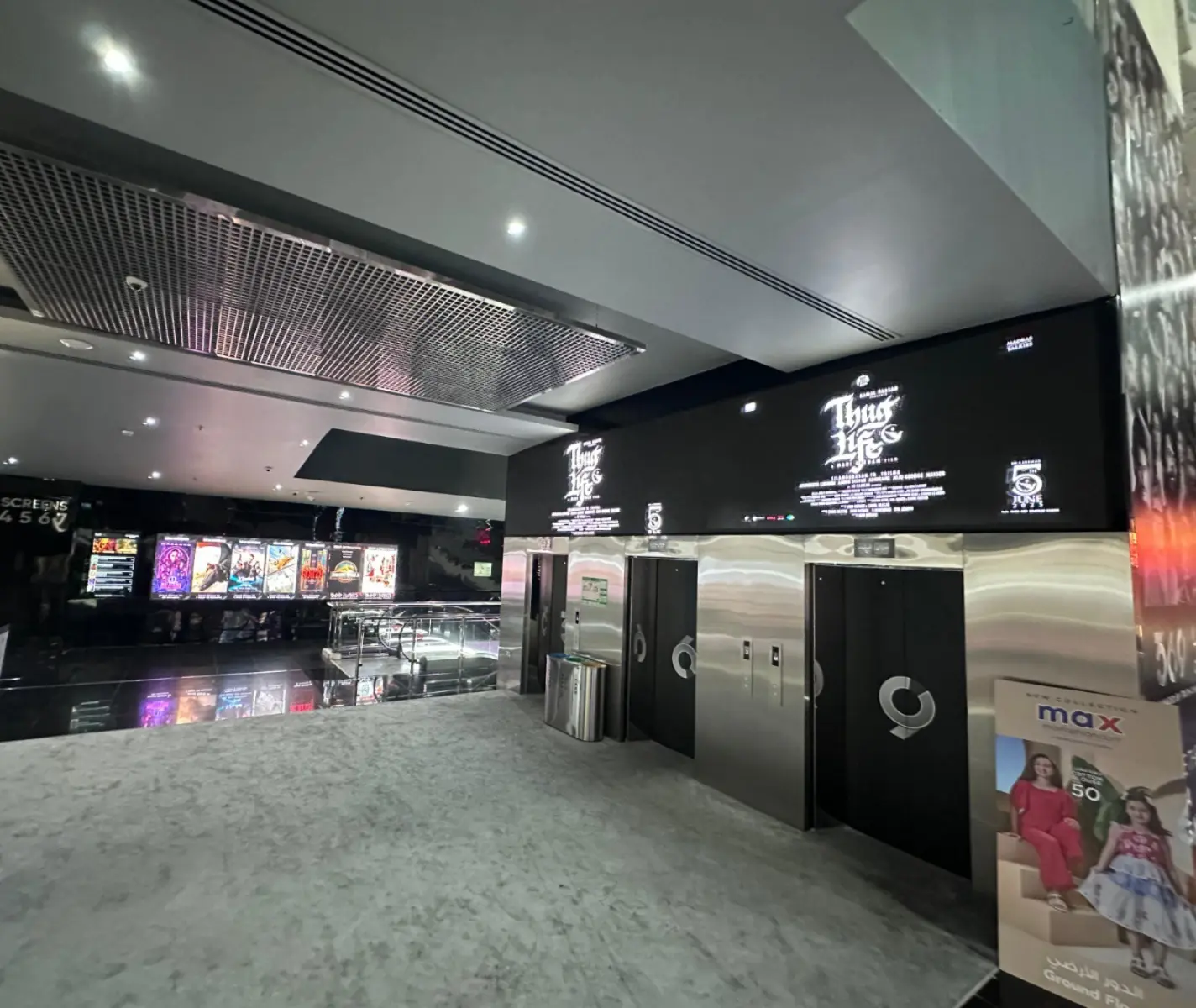
- Escalators and elevators
- Atriums and temporary event zones
- Food courts, cafés, and waiting areas
Since many shoppers are constantly on the move, content must be designed for quick consumption. Short, high-impact visuals between 8 and 15 seconds perform better than long videos, as they deliver a clear message before the viewer moves on. This approach increases message retention and ensures digital displays remain effective even in high-traffic mall environments.
How Display Placement Drives Visibility
The location of a digital display determines how many people see it and how long they engage with it. In shopping malls, visibility is not just about placing a screen anywhere, but placing it where shoppers naturally gather, pause, and move. Strategic placement in key zones can dramatically increase the impact of your content and improve ad performance.
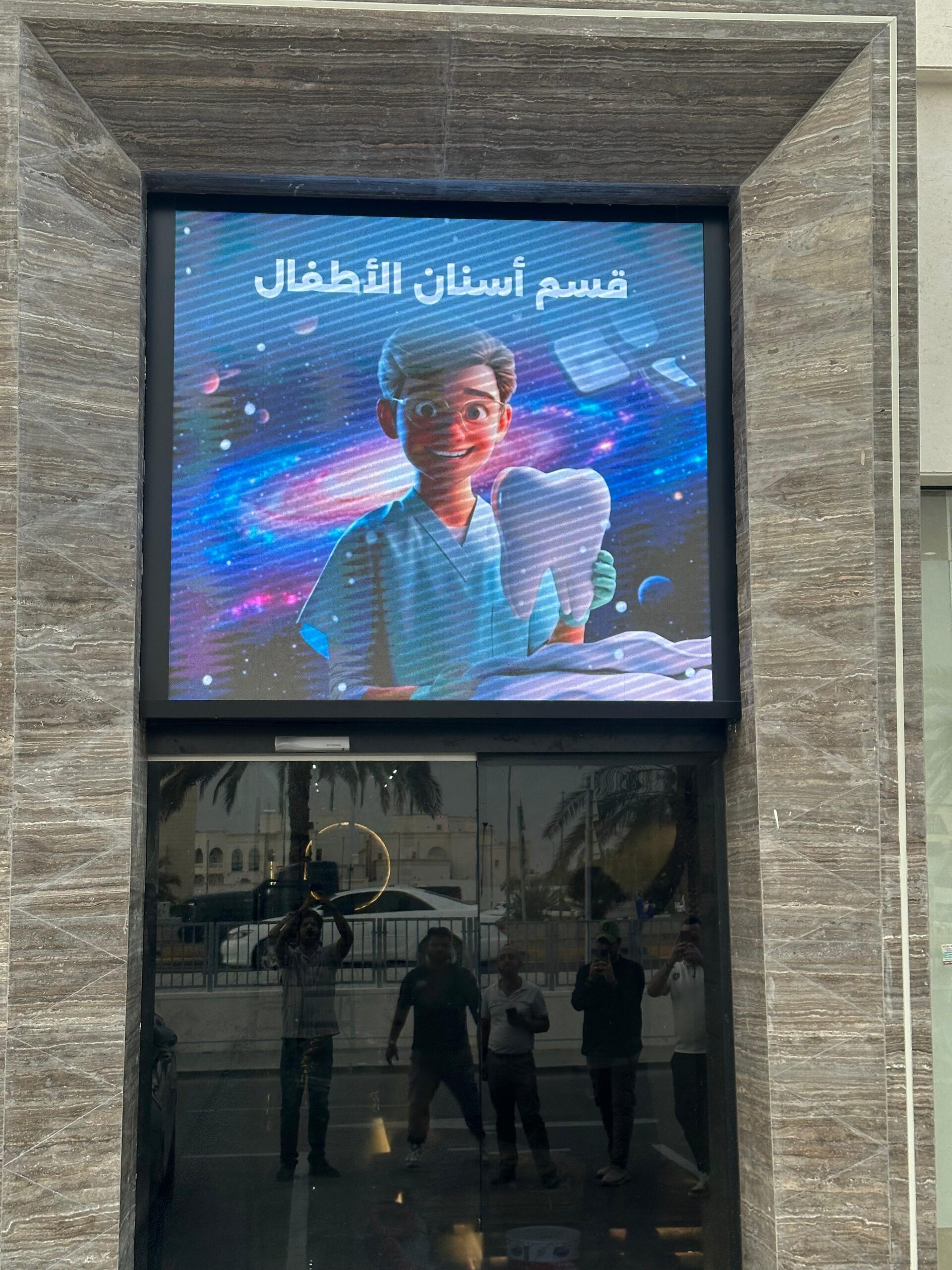
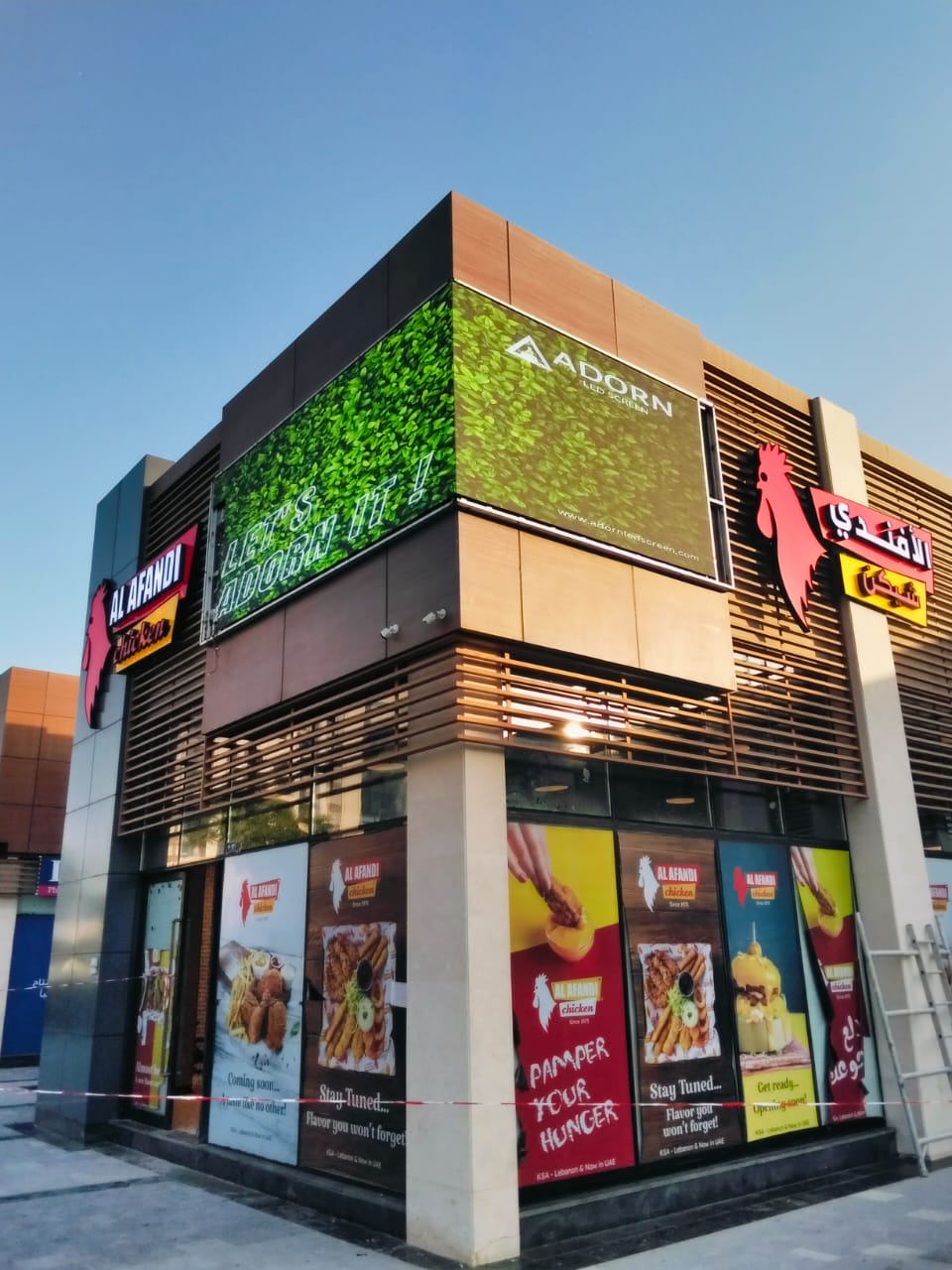
Main entrances & façade areas
The main entrance and façade area are the first points of contact for shoppers and tourists, making them the most valuable placements for digital displays. A screen here can create a strong brand impression and influence shopper expectations right from the start. In the UAE, where malls are often a destination for tourists and luxury shoppers, entrance displays can help reinforce the mall’s premium image while showcasing major promotions or seasonal events.
Central atriums
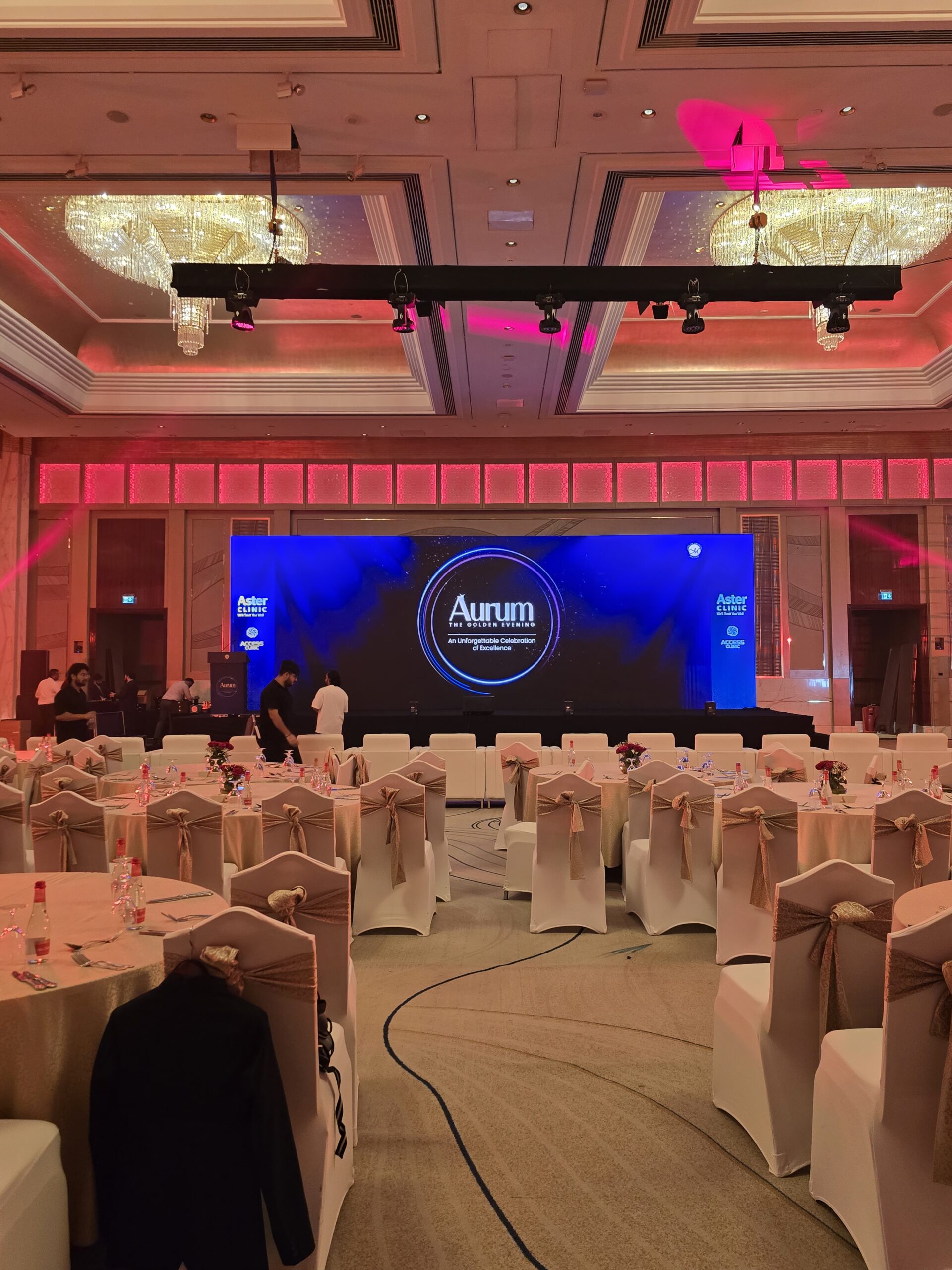
Central atriums are high-traffic zones where shoppers naturally slow down to look around or meet friends. These open spaces also offer excellent visibility from multiple levels, making them ideal for large-format LED walls. A well-placed atrium display can become a mall landmark, attracting attention not only from shoppers but also from social media users who often capture and share visually striking content.
Long corridors & walkways
Long corridors and walkways are prime spots for digital signage because they allow repeated exposure as shoppers move through the mall. Digital displays in these areas work effectively for directional advertising, guiding shoppers toward specific stores or promotions. When screens are placed strategically along pathways, they reinforce brand recall and increase the chances of shoppers stopping to explore offers.
Near anchor stores & cinemas
Anchor stores and cinema zones generate high dwell time as shoppers spend more time browsing or waiting for movies. Placing digital displays in these areas ensures longer viewing time and higher engagement. Since shoppers are already in a decision-making mindset near anchor stores, the display content can be more promotional and direct, driving conversions and enhancing the overall shopping experience.
Placement Mistakes to Avoid
Even the best digital display can fail if it is placed incorrectly. To ensure maximum visibility and engagement, mall managers must avoid common placement errors that reduce readability and limit exposure.
- Screens can become blocked by kiosks, decorations, or temporary event setups, which reduces visibility.
- Displays placed too high or too low make it difficult for shoppers to read content comfortably.
- Poor viewing angles reduce clarity and force shoppers to strain or turn their heads.
- Placing screens in low-traffic areas limits exposure and reduces ad impact.
- Displays positioned opposite glass or bright lights can cause glare, making the content unreadable.
Looking for LED Screen Support?
Let’s have a quick discussion with ADORN LED Screen experts.
Screen Brightness & Size for Indoor Commercial Spaces
Choosing the Right Brightness
In UAE malls, lighting conditions are often bright due to skylights, glass façades, and high-intensity indoor lighting. For standard indoor areas, a brightness range of 800–1200 nits is recommended to ensure clear visibility without causing eye strain.
In zones close to glass façades or areas with direct sunlight exposure, higher brightness levels may be necessary to prevent the screen from looking washed out. Low-brightness screens in these environments appear dim and lose impact, causing shoppers to ignore the content even if the placement is good.
Selecting the Right Screen Size
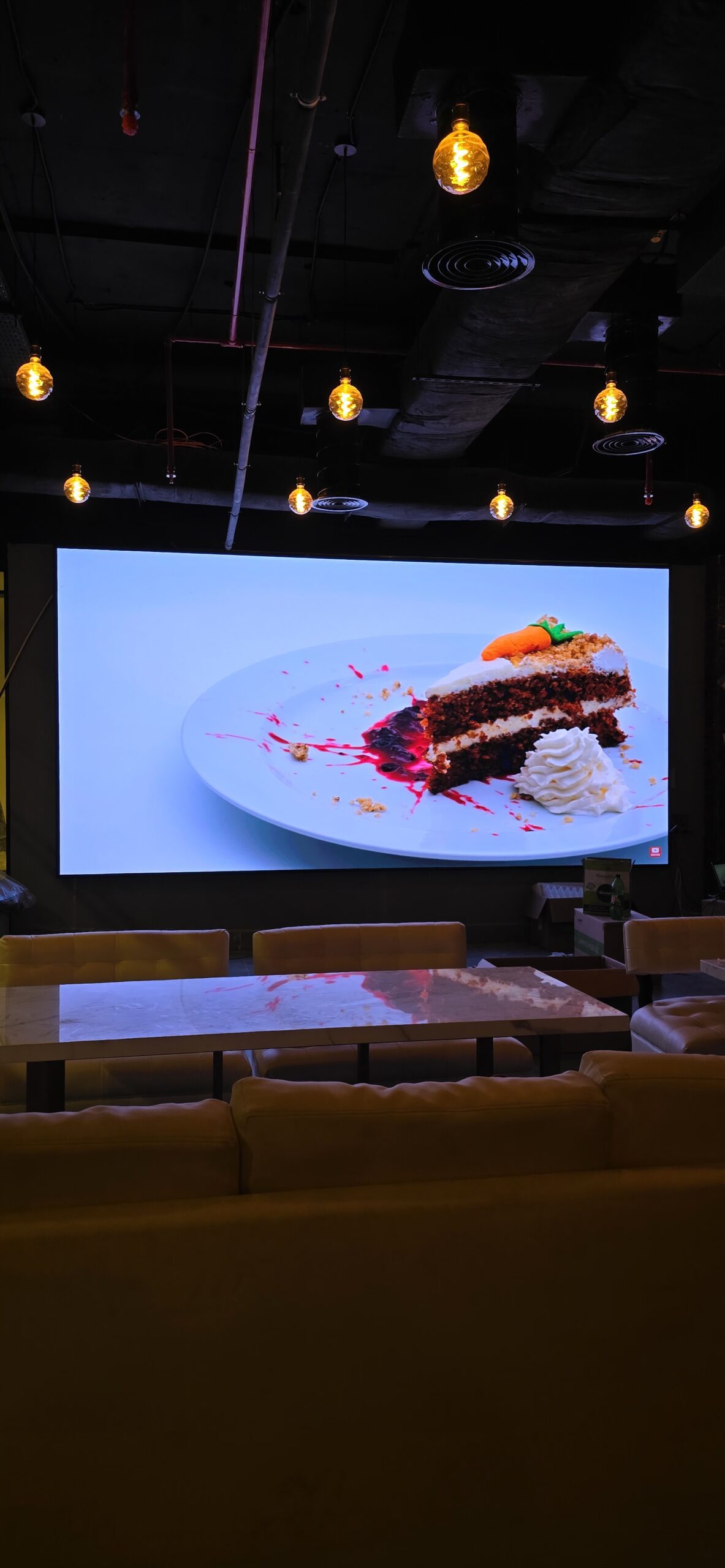
The correct screen size depends mainly on viewing distance and the purpose of the display. Large LED walls are best suited for atriums and open spaces where viewers are at a distance, while standard digital display boards are more suitable for corridors, near stores, and waiting areas.
For close-viewing locations, pixel pitch becomes a critical factor, as a smaller pixel pitch ensures sharper visuals and clearer text. Choosing the right size and pixel pitch together ensures that the content remains readable and engaging, regardless of where the screen is placed.
Content Flexibility for Multiple Brands & Campaigns
Malls in the UAE host a constantly changing mix of brands, promotions, and events, making static advertising ineffective. When a display only shows fixed visuals, it cannot keep up with seasonal campaigns, new brand launches, or temporary pop-ups. In a market where shopper preferences shift quickly and competition is high, digital displays must be flexible enough to adapt to changing campaigns in real time.
UAE malls host:
- Luxury brands
- Seasonal promotions
- Events and pop-ups
Static visuals fail to adapt to fast-changing campaigns and often miss opportunities to promote new offers or events. To maximise ROI, mall displays should support dynamic content management and be able to rotate multiple ads throughout the day.
Features mall displays must support:
- Multi-brand ad rotation
- Daypart scheduling (morning/evening campaigns)
- Event-based content switching
- Language flexibility (English + Arabic)
- High-resolution video, animation, and motion graphics
When digital signage supports these features, it becomes a powerful tool for mall marketing teams and advertisers, enabling real-time updates and better audience engagement. The flexibility also allows multiple brands to share the same screen without losing visibility or impact.
Frequently Asked Questions
How to choose the right digital signage display for a shopping mall?
Choose commercial-grade displays with high brightness and the right size for your viewing distance, and plan placement based on shopper behaviour and mall layout.
How to choose a digital display board for mall advertisements?
Select a screen that supports dynamic content, multi-brand rotation, and high-resolution visuals, and ensure it fits the location and viewing distance.
How do I ensure that digital display stays relevant for different brands?
In order to support different brands use a content management system that supports multi-brand rotation, daypart scheduling, and event-based content switching.
How bright should a mall display be in the UAE?
For most indoor mall areas, 800–1200 nits is recommended, and higher brightness is needed near glass façades of shopping malls.
Conclusion
Before investing in digital displays, it’s important to focus on strategy rather than just screen size or price. Digital signage in malls should support multiple brands, seasonal promotions, and real-time content updates to stay effective in a fast-changing retail environment. Choosing high-quality commercial-grade displays and a reliable content management system helps improve ROI, brand visibility, and overall customer experience.
To get the best results, working with a trusted LED screen manufacturer and rental provider in the UAE ensures you receive the right technology, professional installation, and long-term support tailored for retail environments.