A video wall is a large display system made up of multiple screens or panels that work together to show a single image or different content sources. It is commonly used in corporate spaces, retail stores, control rooms, events, and public areas to deliver clear and impactful visuals on a bigger scale.
Understanding different display types is important before investing because each technology offers different levels of brightness, image quality, cost, and maintenance. The right choice depends on the environment, budget, and how the video wall will be used, whether for indoor presentations, advertising, or large public displays.
LED Video Walls
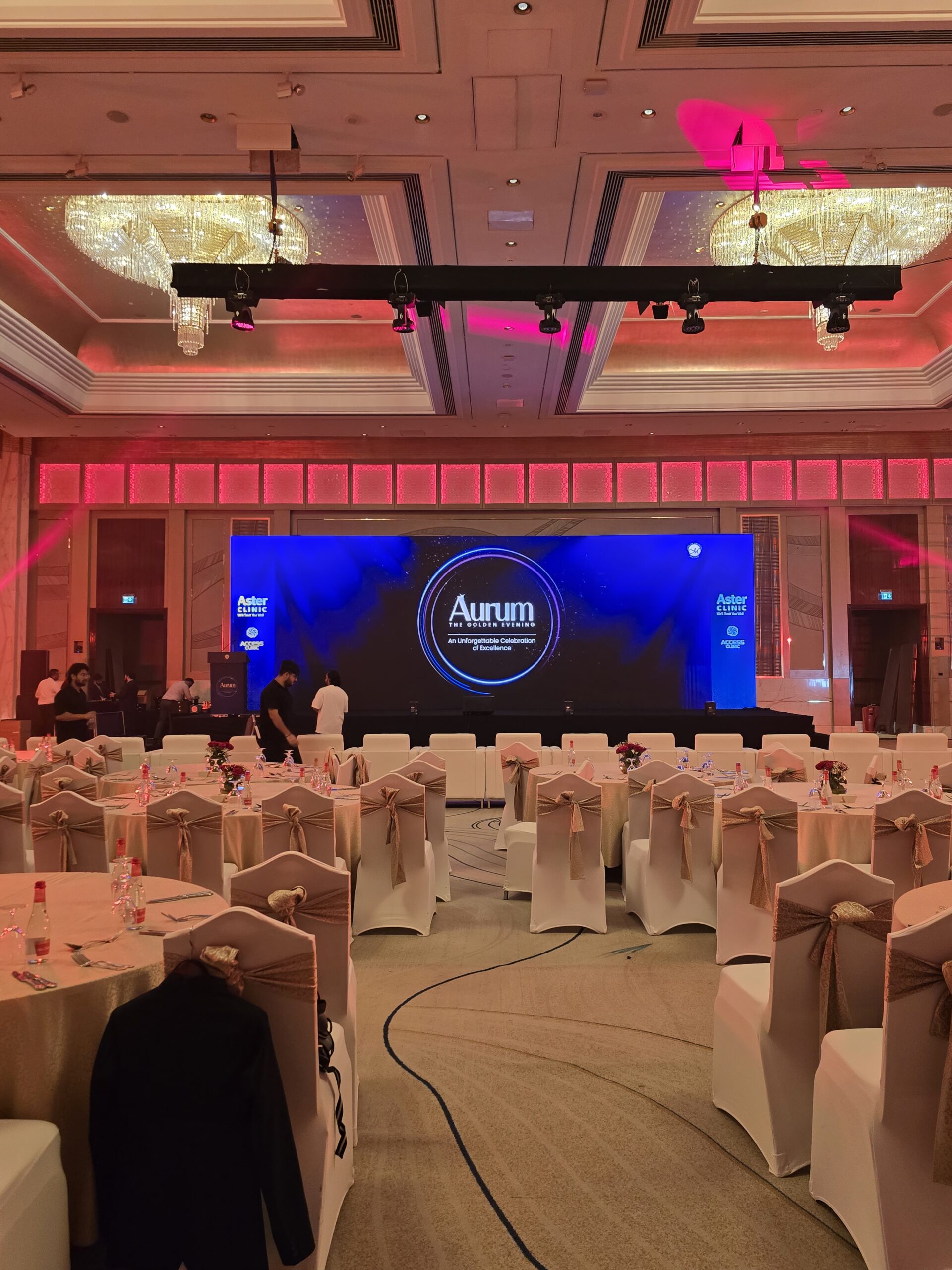
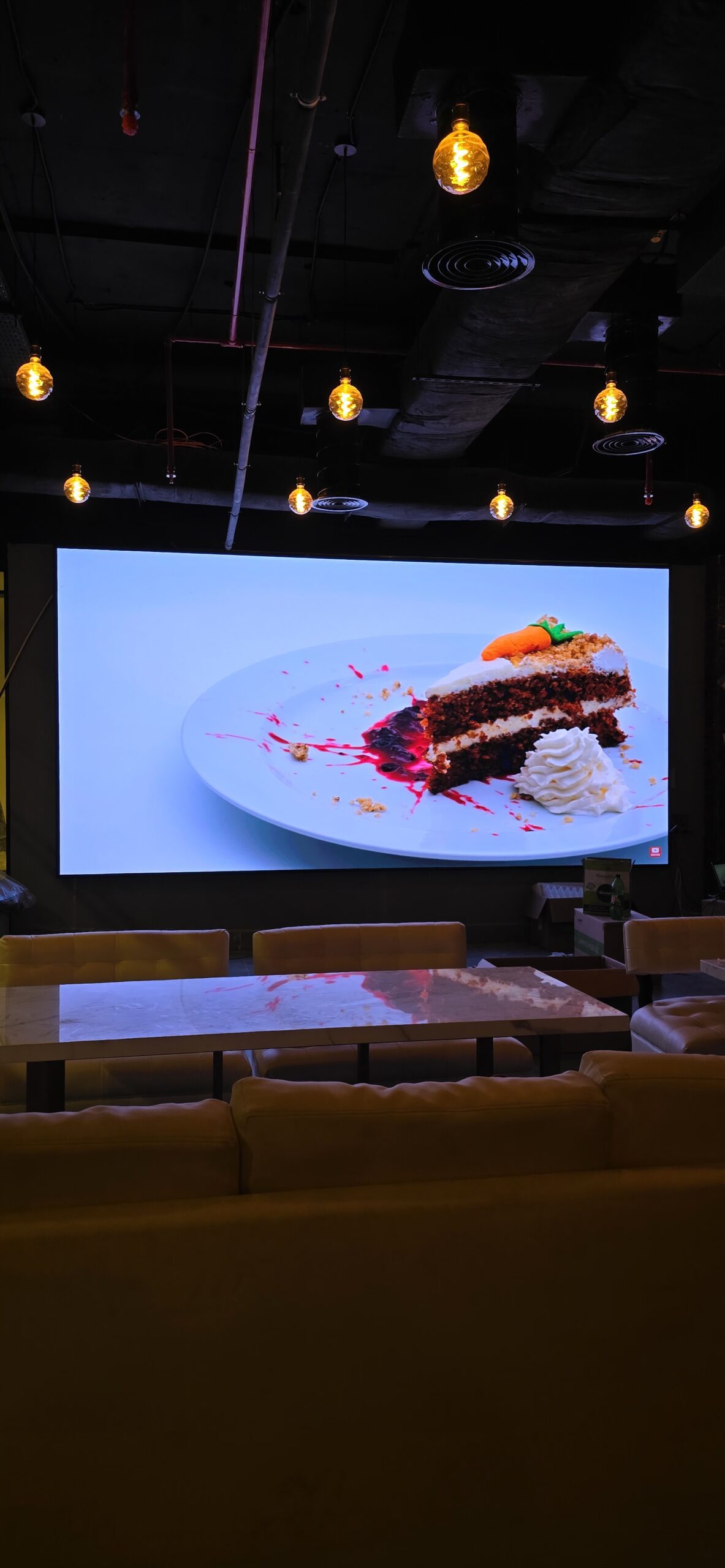
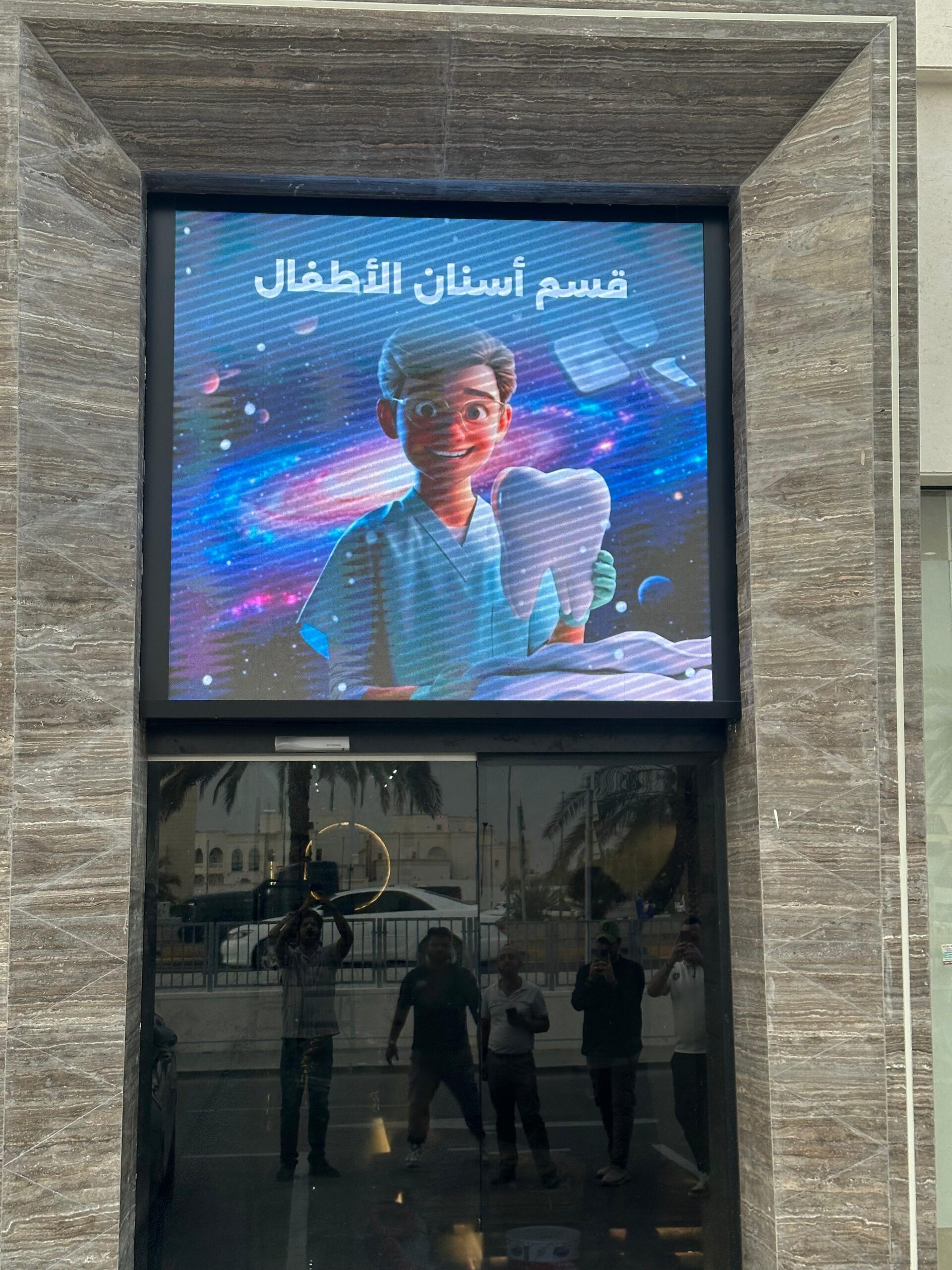
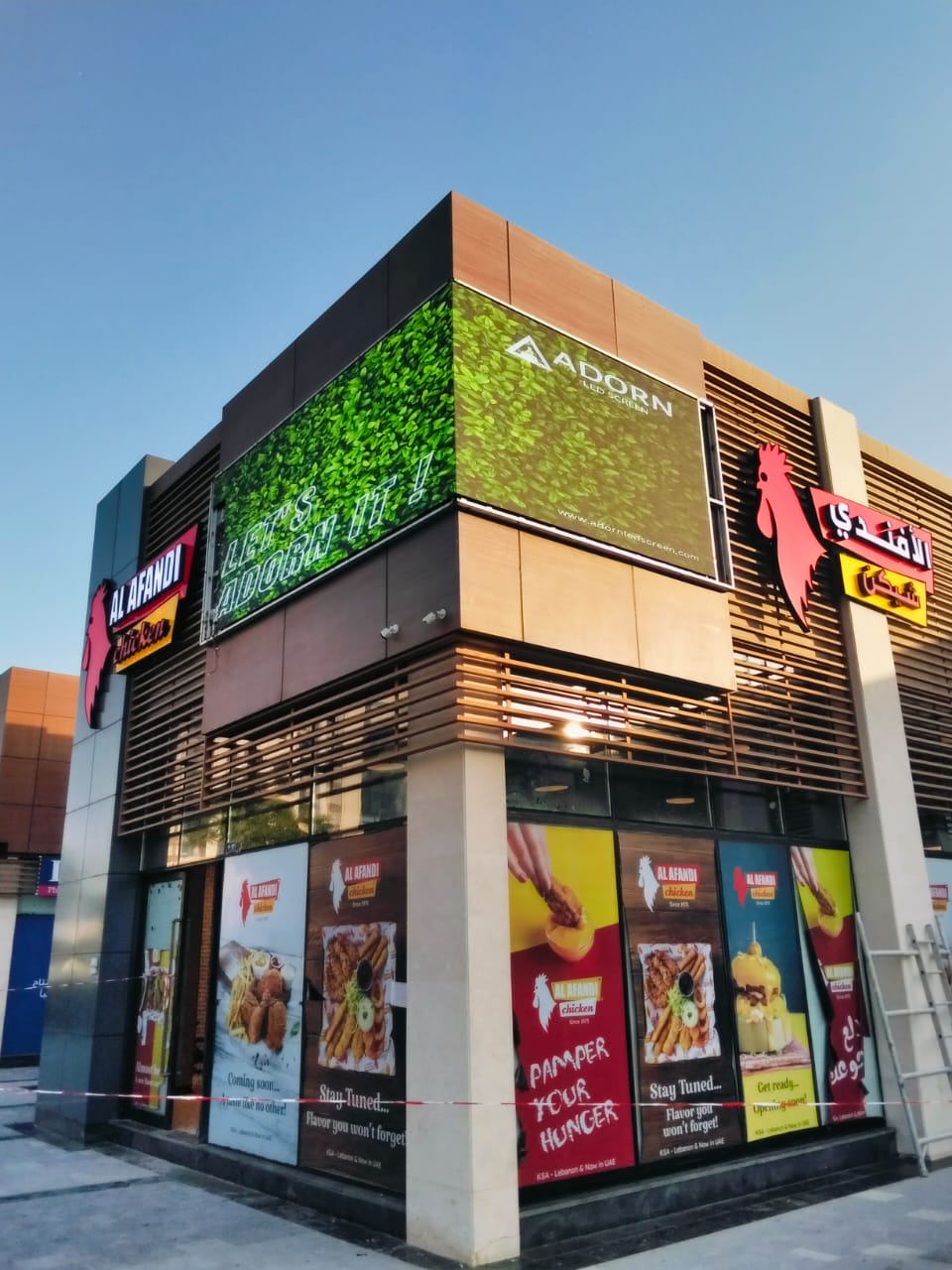
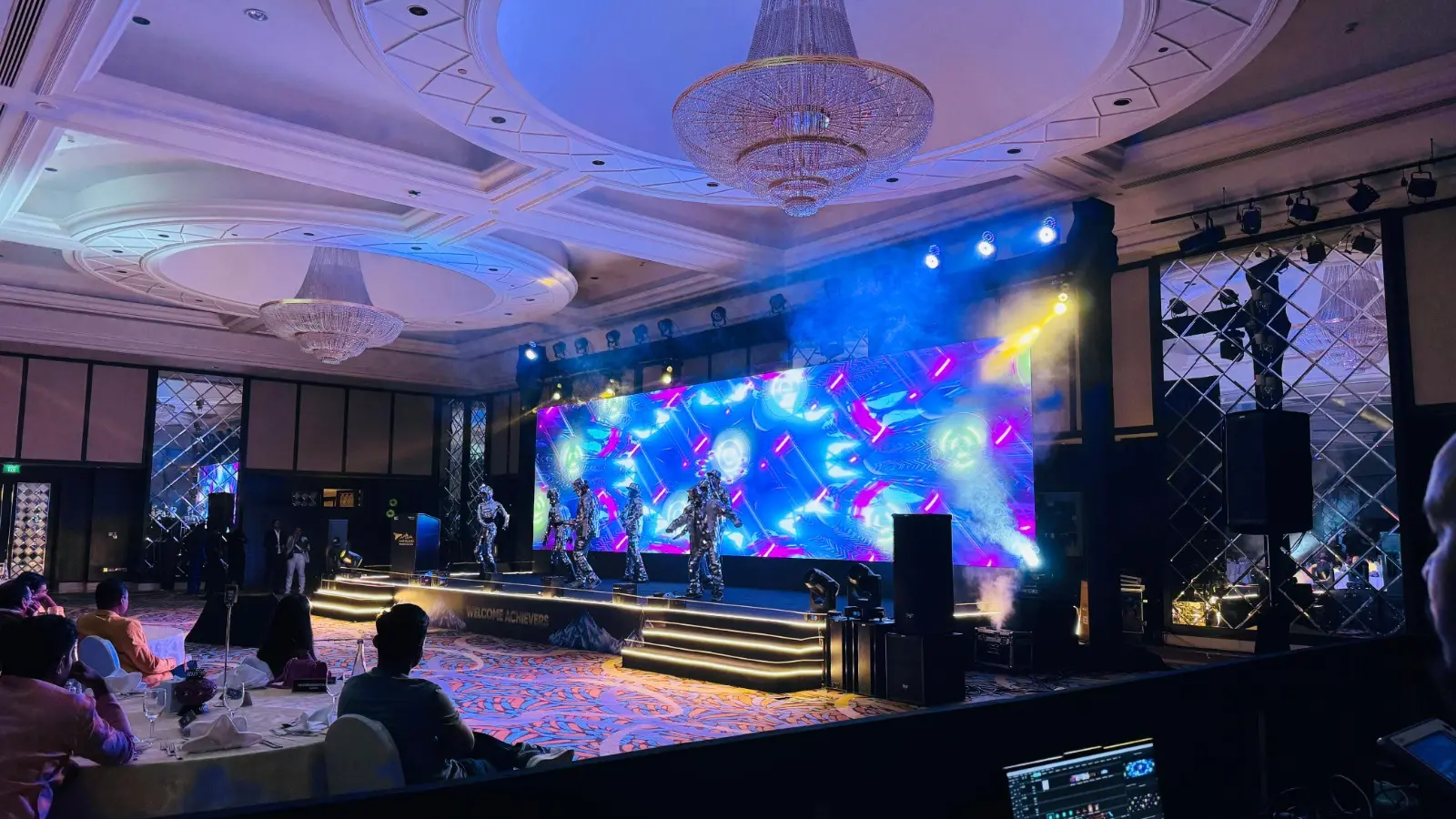
An LED video wall is a display system made up of LED panels that connect together to create one large, seamless screen. It delivers bright, high-resolution visuals without the gaps seen in traditional multi-screen setups, making it ideal for impactful presentations and advertising. LED technology is widely used in both indoor and outdoor environments due to its durability and strong performance.
Key features and uses of an LED video wall are:
- Seamless display: No visible bezels, creating a smooth and continuous image.
- High brightness: Excellent visibility in large venues and bright environments.
- Indoor and outdoor applications: Suitable for malls, stadiums, and public spaces.
- Common uses: Events, retail stores, control rooms, exhibitions, and stadium displays.
LCD Video Walls
An LCD video wall is a display system made by combining multiple LCD screens in a grid layout to create one large visual surface. It offers clear image quality and reliable performance, but it includes small bezel gaps between each screen, which may be noticeable in close viewing environments. LCD video walls are mainly designed for indoor use, where lighting conditions are controlled to ensure better visual clarity.
These systems are often chosen by businesses that need consistent performance for presentations, monitoring, or information display. Because they provide good image quality at a relatively lower cost compared to some other technologies, LCD video walls are a practical solution for medium-sized installations in professional settings.
Projection-Based Video Walls
Projection-based video walls use one or more projectors to display images onto a large screen or wall surface. The system works by projecting light through lenses to create visuals, which can be combined using edge blending techniques for a seamless, large-scale display. This technology is ideal for creating very large images without the need for multiple physical panels.
One of the main advantages of projection systems is their flexibility in screen size. They can produce extremely large visuals, making them suitable for immersive experiences and wide viewing areas. However, cost considerations include the projector equipment, installation requirements, room darkening, regular maintenance, and alignment adjustments to ensure clear image quality.
Projection-based video walls are commonly used in auditoriums, museums, exhibitions, training centers, and temporary event setups. They perform best in controlled lighting environments where brightness and clarity can be maintained effectively.
Looking for LED Screen Support?
Let’s have a quick discussion with ADORN LED Screen experts.
Key Differences at a Glance
When comparing video wall technologies, understanding the main differences helps in making the right decision. LED video walls generally offer the highest brightness, making them suitable for large or well-lit environments, while LCD systems provide strong image quality for indoor use. Projection systems can deliver very large visuals but usually perform best in controlled lighting conditions.
In terms of image clarity and seamlessness, LED walls provide a completely seamless display with no visible bezels, whereas LCD video walls have small gaps between screens. Lifespan, maintenance needs, installation complexity, and overall budget also vary across technologies, so the final choice should depend on the intended environment, performance expectations, and long-term investment goals.
| Feature | LED Video Wall | LCD Video Wall | Projection-Based Wall |
| Brightness | Very high, suitable for bright environments | Moderate, best for indoor use | Depends on the projector, best in controlled lighting |
| Seamlessness | Fully seamless, no bezels | Small bezel gaps between screens | Seamless if edge blending is used |
| Image Quality | Excellent, high contrast | Very good, sharp and detailed | Good, depends on projector quality |
| Maintenance | Low to moderate | Low | Moderate to high (alignment and calibration needed) |
| Installation Complexity | Moderate to high | Moderate | High (room setup required) |
| Best Environment | Indoor & outdoor | Indoor | Dark or controlled lighting spaces |
| Typical Budget | Higher investment | Cost-effective | Varies, can be cost-efficient for very large sizes |
| Common Uses | Events, retail, stadiums, control rooms | Offices, conference rooms, and monitoring | Auditoriums, museums, exhibitions |
Choosing the Right Video Wall
Selecting the right video wall depends on several important factors that affect performance, cost, and long-term value.
- Environment (Indoor vs Outdoor): Indoor spaces usually require controlled brightness, while outdoor installations need higher brightness and weather-resistant features.
- Viewing Distance: Closer audiences need higher resolution for clear detail, while larger venues can use displays designed for longer viewing ranges.
- Budget: Different technologies vary in investment cost, installation expenses, and maintenance requirements.
- Content Type: The display should match the purpose, such as data dashboards, video content, advertising, or presentations.
- Long-Term Performance: Consider lifespan, maintenance needs, energy efficiency, and scalability to ensure reliable performance over time.
Conclusion
LED, LCD, and projection technologies each offer unique advantages depending on brightness needs, installation space, and budget. LED video walls provide seamless visuals and high brightness, LCD video walls are ideal for indoor environments with clear image quality and cost efficiency, and projection systems are best suited for large-scale displays in controlled lighting conditions.
Choosing the right solution requires aligning the technology with its intended purpose, environment, and content type. By carefully evaluating factors such as viewing distance, performance expectations, and long-term maintenance, businesses can select the most suitable video wall solution that delivers reliable results and strong visual impact.