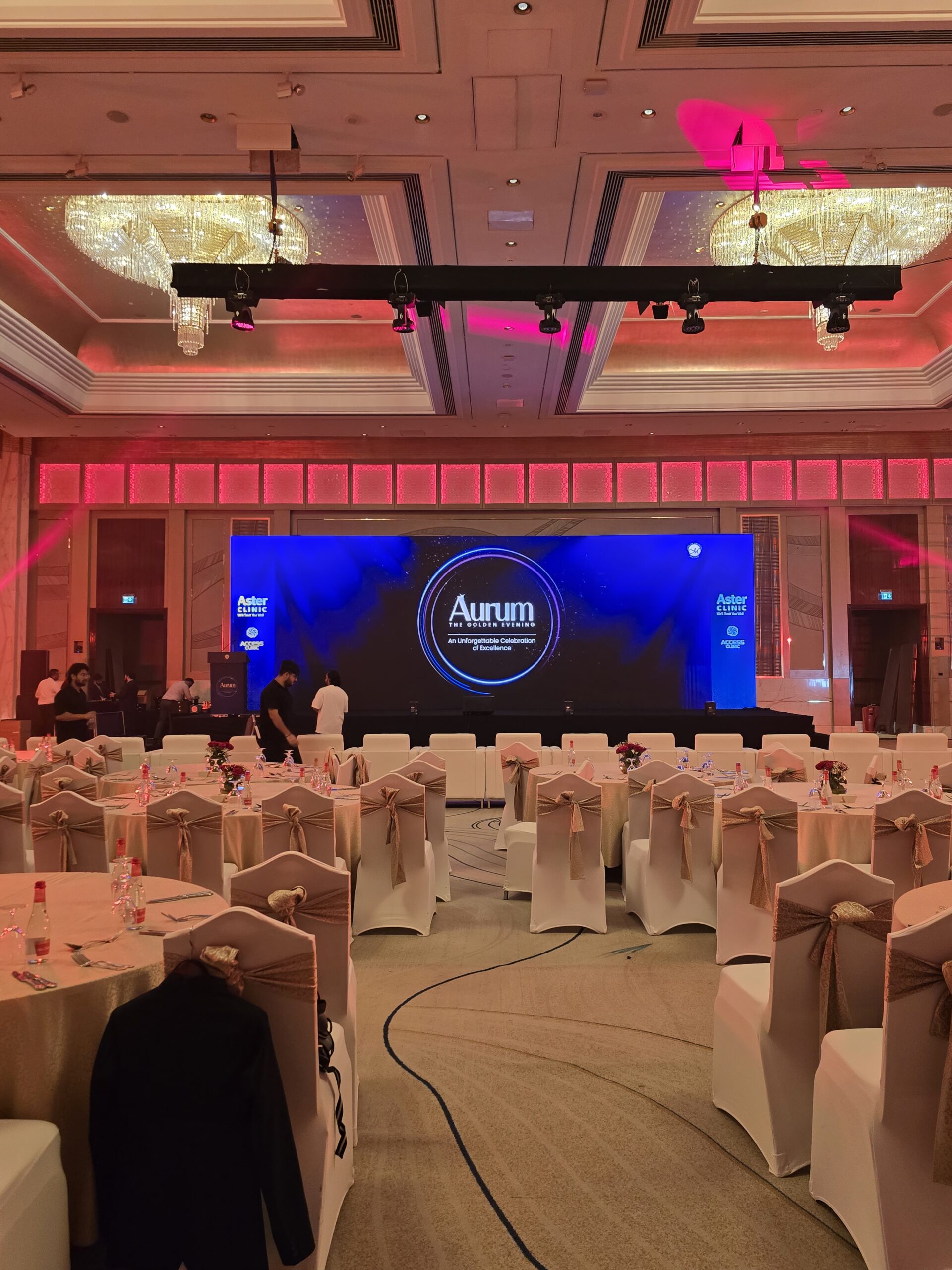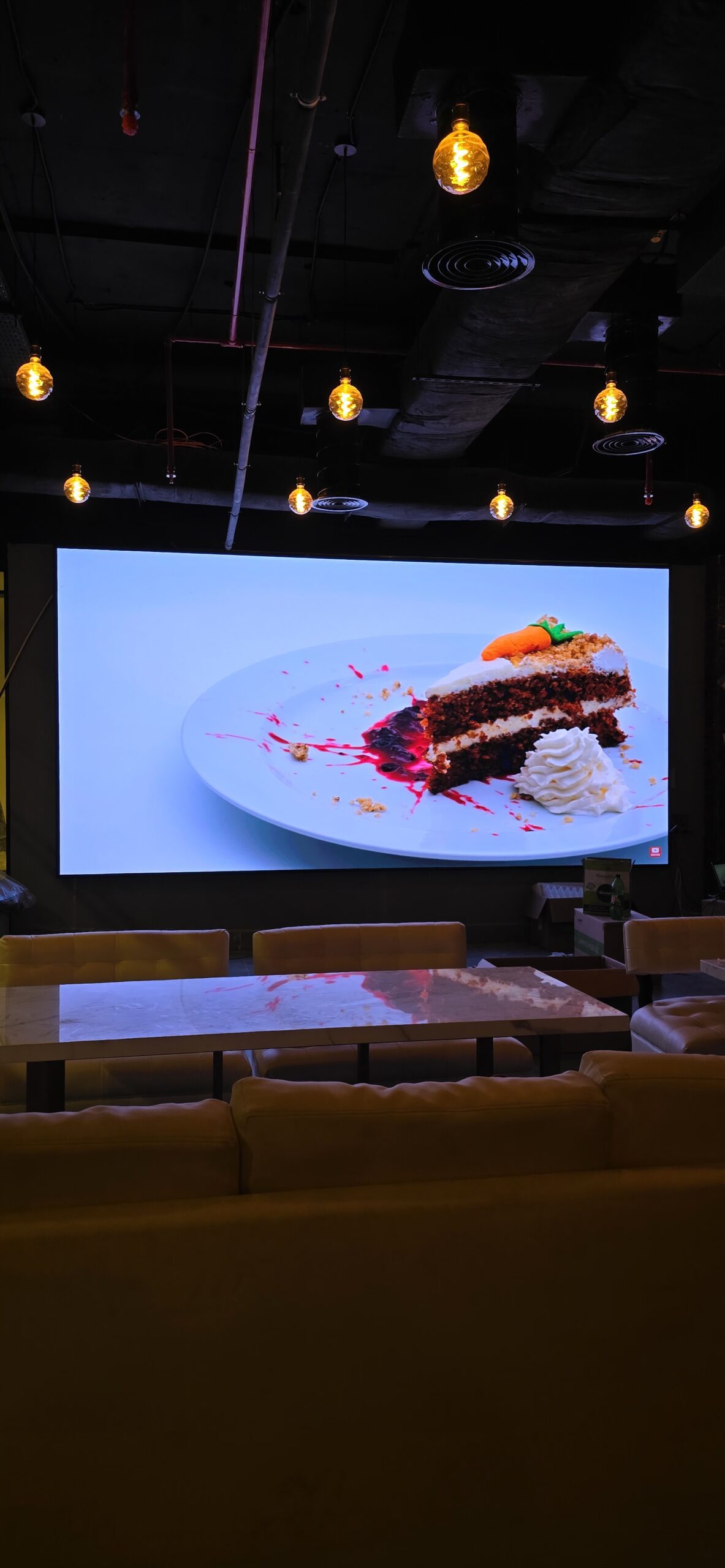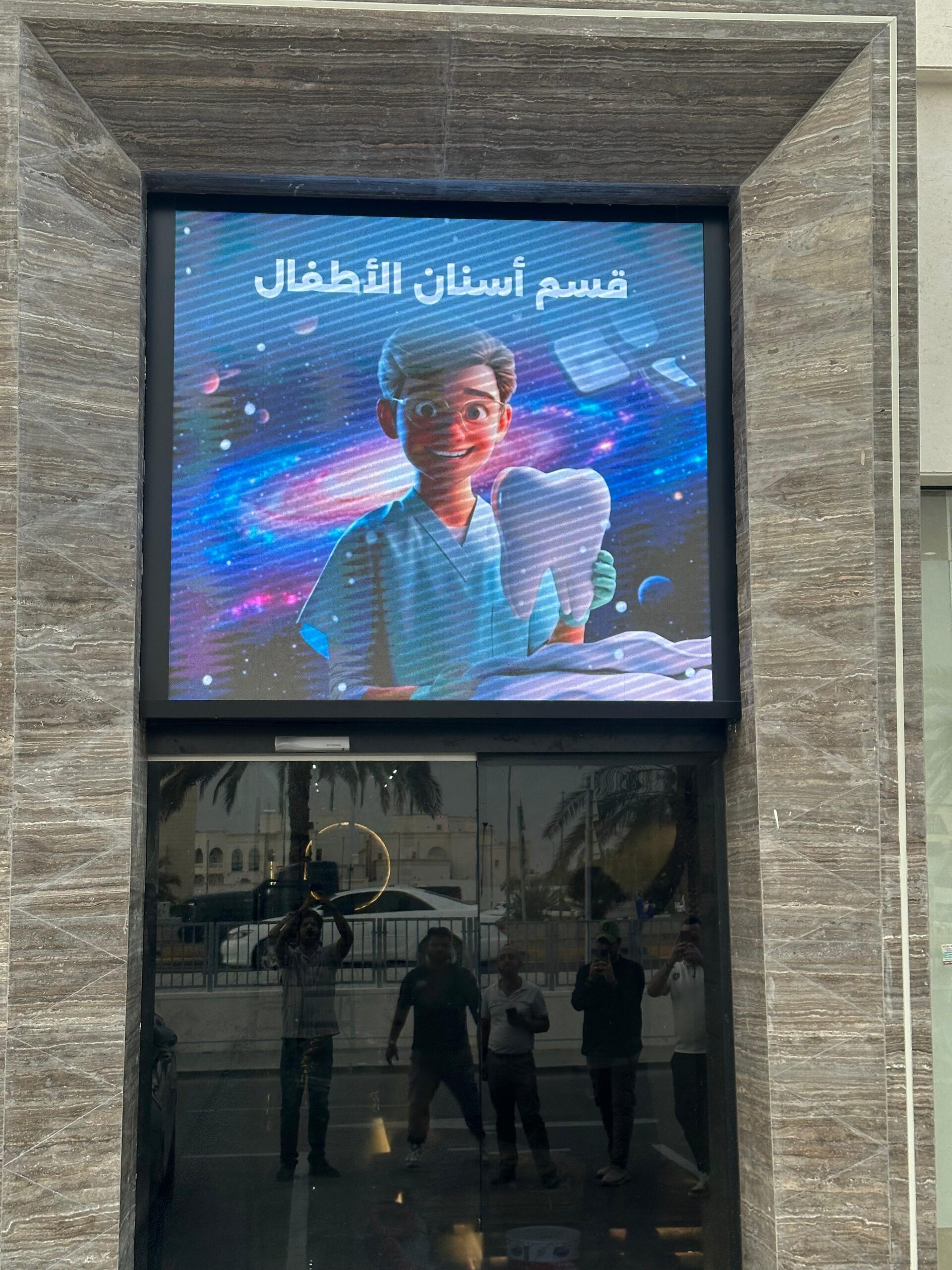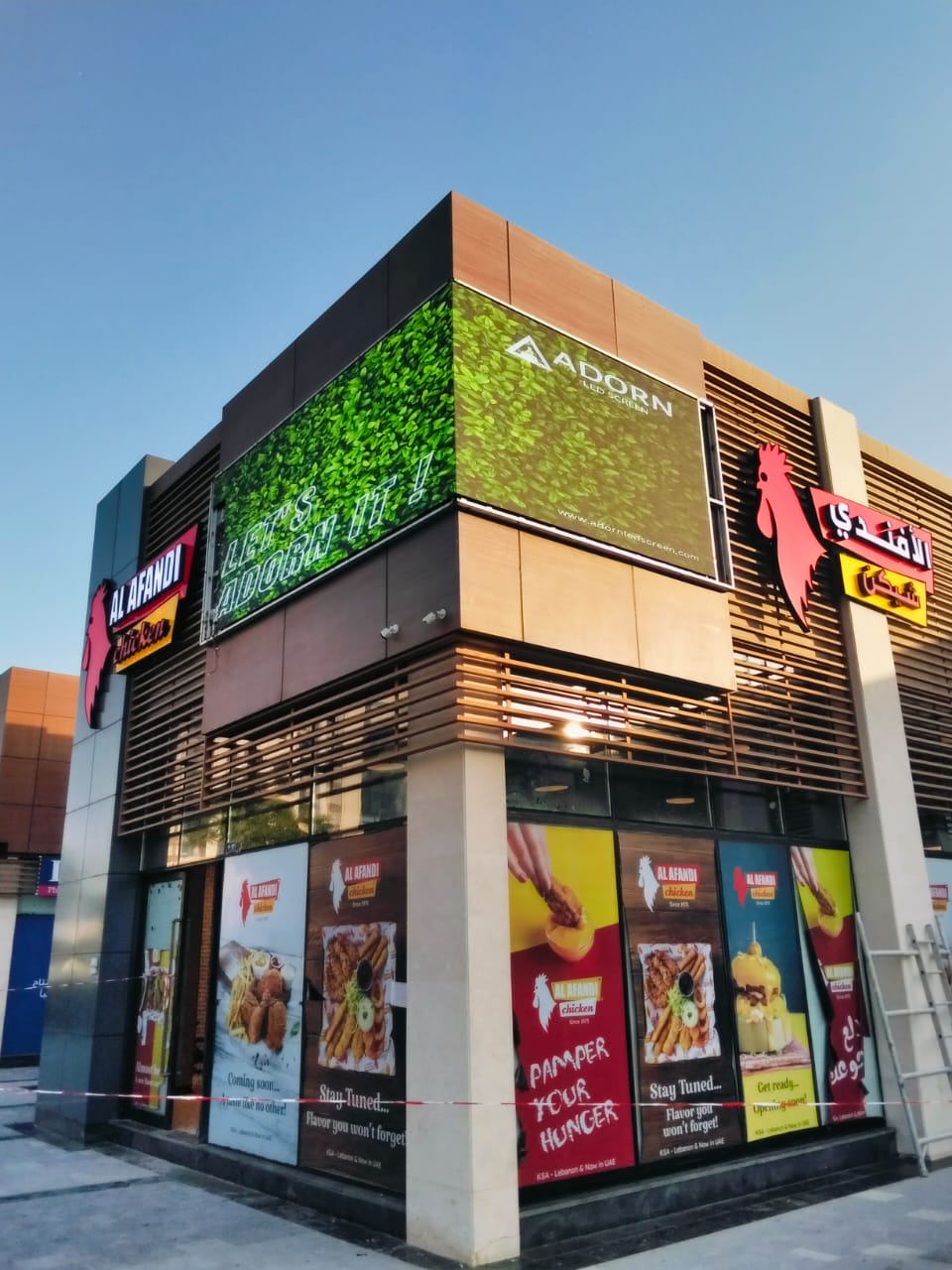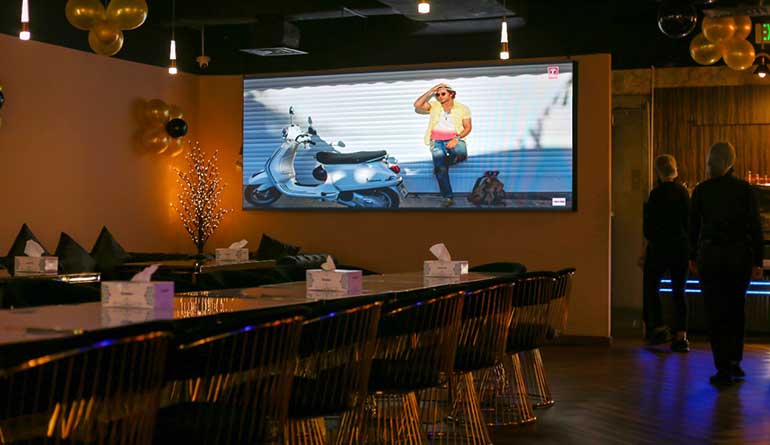
A high quality LED screen can still fail if the content does not match how people actually watch displays. In busy public areas, viewers glance briefly, keep moving, and make decisions in seconds. Many businesses invest in LED walls but lose impact because the content is not designed for real viewing behavior. This guide explains how attention works, which content formats perform best, how to plan timing, and which mistakes reduce results. Read on to learn how to make LED screen content truly effective.
Understanding Viewer Attention in Public Spaces
Viewer attention in public areas is influenced by movement, surroundings, and time pressure. Knowing how people actually notice screens is essential for planning LED content that gets seen and remembered.
How People Actually View LED Screens in Real Environments
Most people do not stop and stare at LED screens. They walk past, wait nearby, or look while multitasking. Because of this, LED wall content must deliver its message even when seen briefly. Long explanations and detailed visuals are often ignored. Content needs to communicate the main idea instantly, even if the viewer looks for only a few seconds.
The Impact of Distance, Angle, and Motion
Viewing conditions play a major role in how content appears. Distance reduces the ability to see fine details, side angles can distort visuals, and constant movement limits focus. Video wall graphics must be bold enough to remain clear from far distances. Motion helps attract attention, but too much movement can confuse viewers. Balanced animation improves visibility without overwhelming the audience.
Why Attention Windows Are Often Under 5 Seconds
In most public settings, attention lasts only a short time. LED video wall content must communicate the core idea almost immediately. If the message is not clear within a few seconds, viewers move on. Short attention windows require simple layouts, strong visuals, and a clear focal point.
Best Content Formats for LED Screens
Not all content types work equally well on LED displays. Choosing the right format plays a major role in how quickly a message is noticed and understood.
Why Motion Graphics Perform Better Than Static Images
Motion graphics naturally attract attention. Even small movements can make content more noticeable than static images. Video wall graphics with controlled animation hold attention longer without distracting viewers. Motion also guides the eye toward important information, helping improve message clarity.
Short Video Loops vs Long Videos
Short video loops work better than long videos on LED walls. Most viewers do not watch from beginning to end, so looping ensures the message is visible at any moment.
Effective loop content usually includes:
- A clear opening visual
- The core message shown quickly
- A smooth ending that connects back to the start
Long videos perform better in controlled environments, while public LED screen content benefits from short repeating loops.
Bold Visuals and High Contrast Design
Bold visuals remain visible under different lighting conditions. High contrast between text and background improves readability. LED wall content should avoid soft color combinations that blend together. Strong contrast ensures visuals and text stand out, even in bright environments.
Minimal Text and Visual First Messaging
Too much text reduces impact. LED screen content should rely more on visuals than words. When text is necessary, it should be short and easy to read.
Effective LED content usually includes:
- One main message
- Few supporting words
- A clear visual focus
This approach helps viewers understand the message immediately.
Looking for LED Screen Support?
Let’s have a quick discussion with ADORN LED Screen experts.
Content Timing and Scheduling Strategy for Video Wall Content
When content is shown can be just as important as what is shown. Timing and rotation influence how often content is noticed and remembered.
Matching Content to Time of Day and Audience Type
Different audiences appear at different times. Morning viewers often respond better to informative content, while evening audiences prefer promotional visuals. Video wall content creation should consider who is present at each time slot. Matching content to audience behavior increases engagement.
Peak Hours vs Low Traffic Hours Content Planning
During peak hours, people move quickly. Screens should show simple, bold messages that are easy to grasp. During low traffic hours, slightly more detailed content can be displayed.
A common approach includes:
- Short bold visuals during peak times
- Informative loops during quieter periods
This balance helps maintain effectiveness throughout the day.
How Often Content Should Rotate
Repeating the same content too often causes screen fatigue. Rotating content keeps displays fresh and noticeable. However, changing content too frequently can reduce recall. A planned rotation schedule maintains interest without confusing viewers.
Keeping Content Fresh Without Overproduction
Fresh content does not always require new designs. Small updates such as changing visuals, adjusting colors, or updating messages can refresh LED wall content. This approach saves cost while keeping screens relevant.
Common Content Mistakes to Avoid While Creating LED Video Wall Content
Many LED screens fail not because of poor hardware, but due to avoidable content mistakes that reduce clarity and visibility.
Overcrowded Text and Small Fonts
Small text becomes difficult to read from a distance. Overcrowded layouts overwhelm viewers. Video wall images should use large fonts and sufficient spacing to remain clear in real viewing conditions.
Low Contrast and Poor Color Choices
Low contrast reduces visibility, especially in bright locations. LED screen content should be tested under actual lighting conditions. Colors that look good on a computer screen may not perform well on large LED displays.
Using Static Images for Too Long
Static images lose attention quickly. When screens do not change, viewers stop noticing them. Even simple animation helps maintain interest. Content led strategies should always include movement or variation.
Ignoring Screen Resolution and Aspect Ratio
Content must match the screen’s resolution and shape. Stretching or cropping visuals lowers quality. Video wall player settings should align with content dimensions to avoid distortion.
Advanced Content Planning for LED Screens
Aligning Content With Business Goals
LED content should support clear objectives. Whether the goal is branding, promotion, or information sharing, the message must reflect it. Product led content highlights features visually, while branding content focuses on identity and tone.
Using Location Context to Shape Content
Location strongly influences content style. A mall video wall requires different visuals than an office display. Outdoor LED walls need brighter visuals than indoor screens. Understanding context improves content effectiveness.
Testing and Optimizing Content Performance
Observing how viewers respond helps improve content. Changes in engagement, visibility, or recall indicate whether content works. Simple testing helps refine video wall content creation over time.
LED Wall Content Types That Work Best by Use Case
Retail and Mall LED Screens
Retail environments benefit from product focused visuals. Product led content shows items clearly with minimal text. Video wall images should highlight key features and offers quickly.
Corporate and Office Video Walls
Corporate video walls focus on branding and information. Clean layouts, subtle motion, and a professional tone perform best. Content led communication supports internal messaging and brand presence.
Outdoor and Roadside LED Displays
Outdoor LED walls require high brightness and bold visuals. Messages must be short and readable at speed. LED video wall content for outdoor use focuses on instant recognition.
Why Content Strategy Determines LED Screen Success
LED screens and video walls deliver results only when supported by the right content strategy. Strong visuals, clear messaging, proper timing, and awareness of viewer behavior determine success. When content matches how people actually view screens, LED displays become effective communication tools instead of background decoration. Careful planning ensures better visibility, stronger engagement, and long term value from every LED screen investment.
Trusted LED Manufacturer and Supplier in the UAE
Adorn is a trusted LED manufacturer and supplier in the UAE, delivering high quality LED screens and video wall solutions for indoor and outdoor applications. With a strong focus on performance, durability, and visual clarity, Adorn supports businesses with reliable LED technology designed for real world environments. From design consultation to supply and installation, Adorn ensures consistent quality, professional support, and solutions that meet regional standards for long term use across commercial and public spaces.