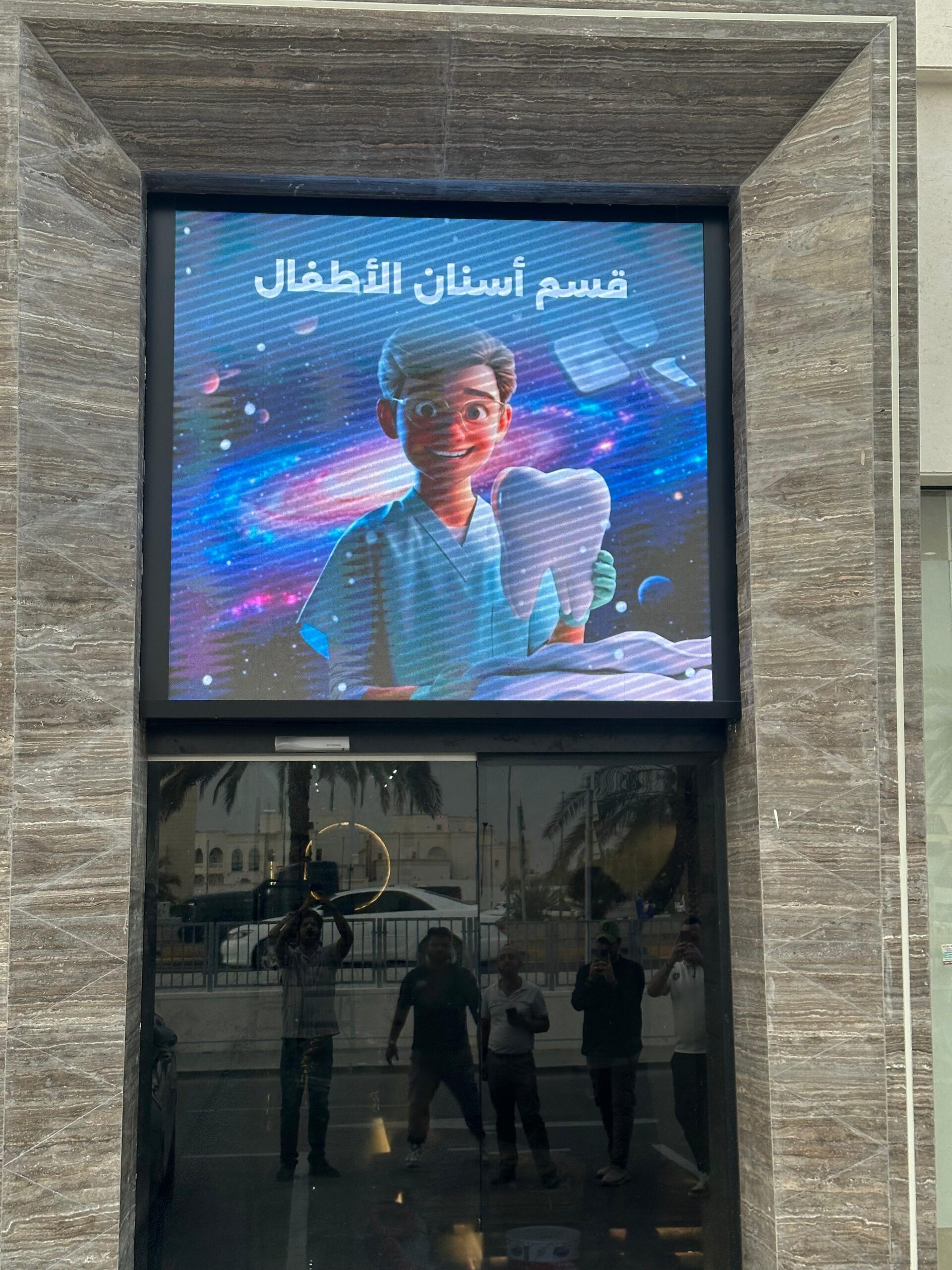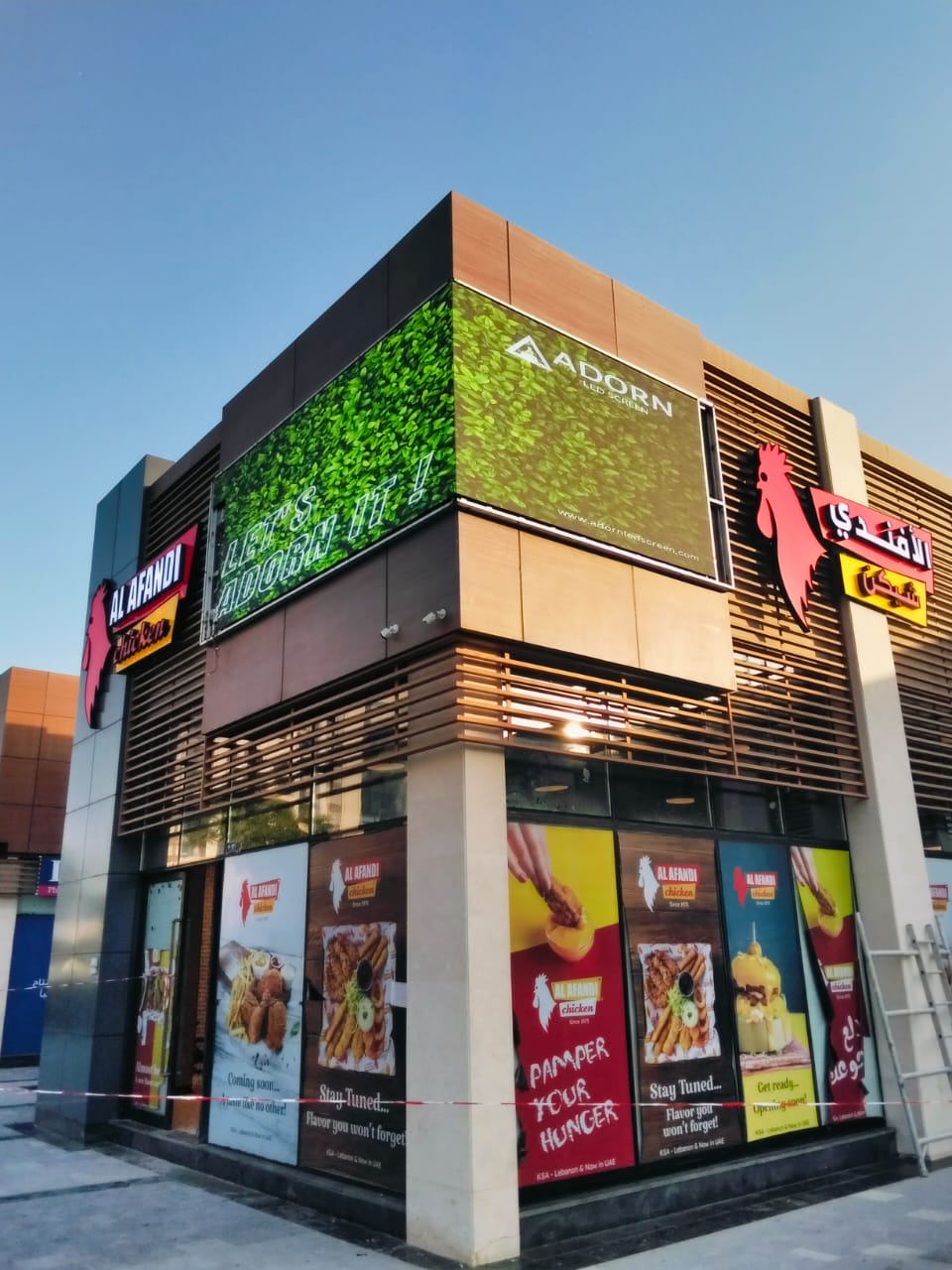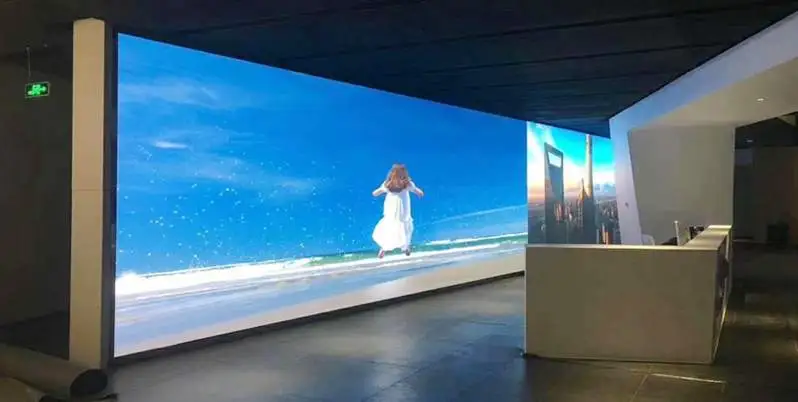
Retail spaces in the UAE operate in a highly competitive and visually driven market, where attracting customer attention is essential for success. Video walls have become powerful retail advertising tools, transforming store interiors into dynamic digital environments that showcase promotions, product highlights, and brand messaging with high visual impact.
From shopping malls and luxury boutiques to showrooms and flagship stores, video walls help UAE retailers stand out in high-traffic locations. When planned and installed correctly, they enhance brand visibility, improve customer engagement, and support long-term marketing objectives. In this blog, we will explain major steps involved in setting up a video wall for retail advertising, such as selecting the right display technology, planning, installation and content management.
Choosing the Right Video Wall Type
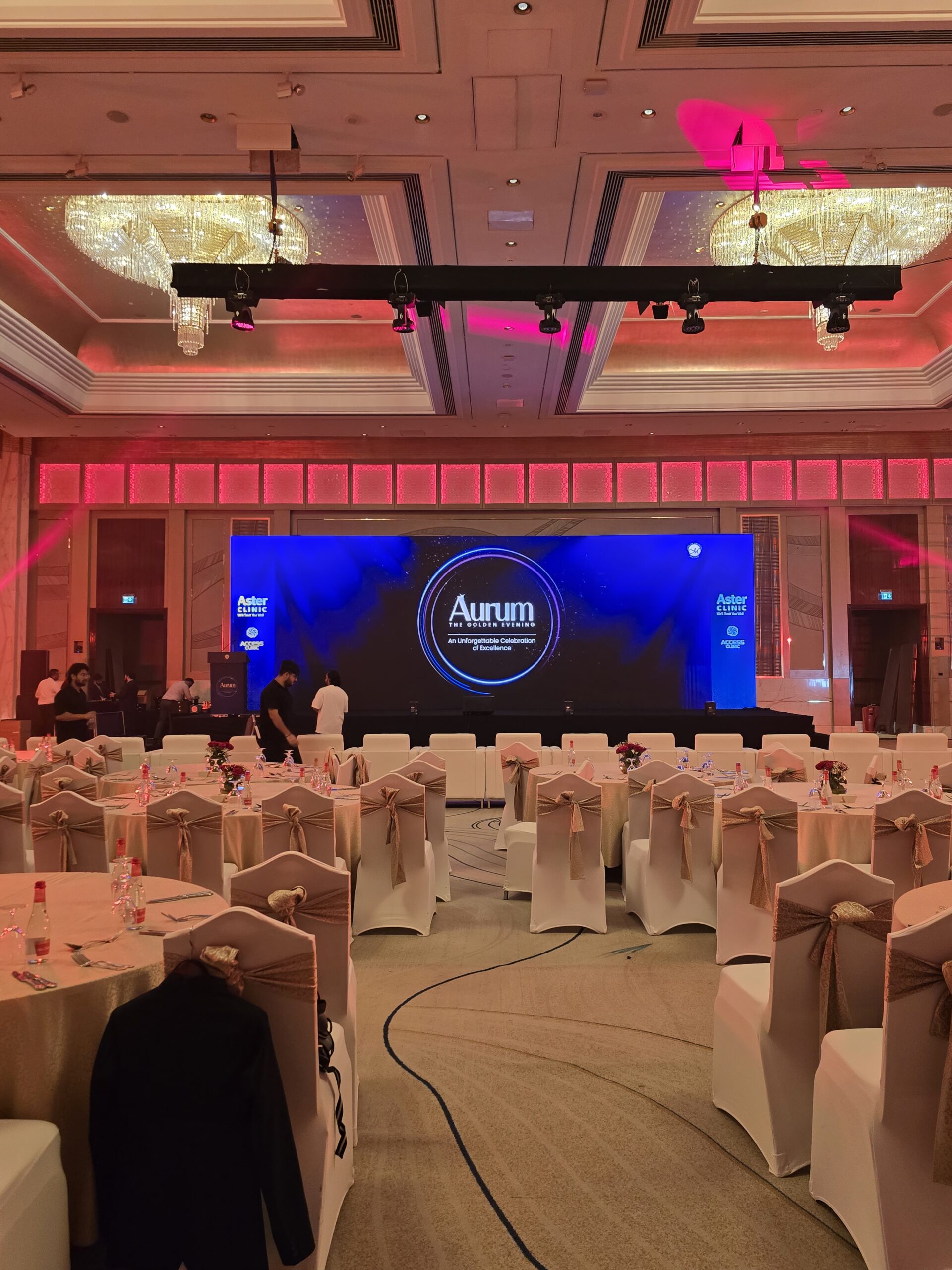
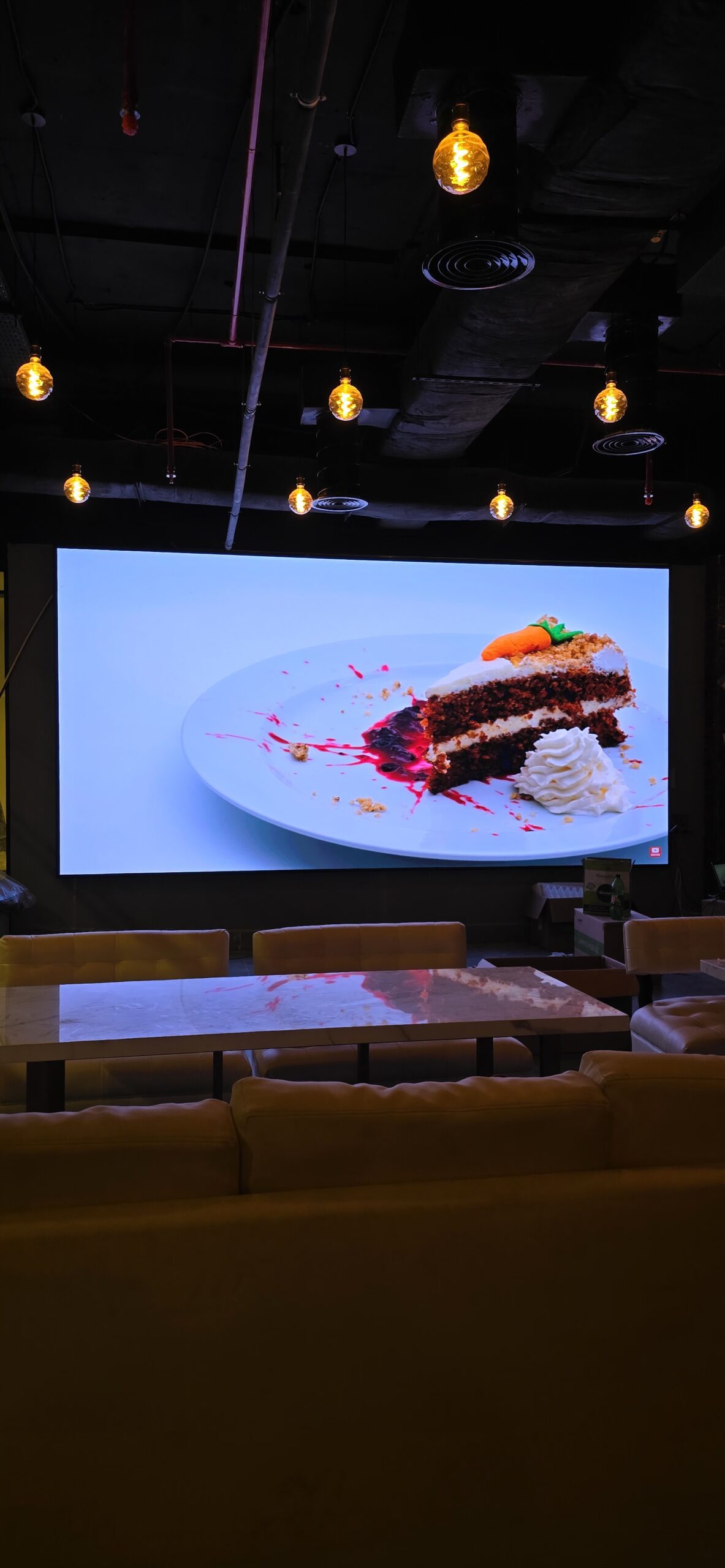
When setting up a video wall for retail advertising, selecting the right display technology is crucial for achieving visual impact and ensuring long-term performance. LED video walls are the preferred choice for modern retail spaces because they offer crystal-clear visuals without visible bezels, high brightness for well-lit environments, and flexible sizing options. They are suitable for both indoor and outdoor retail applications, delivering a premium, eye-catching appearance.
Other display options, such as LCD video walls and projection-based systems, are typically used for smaller or budget-focused installations. LCD video walls combine multiple screens but have visible bezels, which can interrupt visuals. Projection-based video walls are used mainly for experiential setups but have limitations in brightness and maintenance. Compared to these options, LED video walls provide better durability, scalability, and visual quality for retail advertising.
What Are the Major Factors to Consider When Selecting a Video Wall?
Selecting the right video wall involves evaluating several practical factors that directly impact performance, visibility, and long-term value.
- Viewing distance and screen resolution play a key role in ensuring clear and sharp visuals, especially in retail spaces where customers stand close to the display.
- Ambient lighting conditions inside the store affect brightness requirements, as well-lit environments need high-brightness displays for better visibility.
- Budget, maintenance, and long-term operating costs should be evaluated to balance initial investment with durability and ongoing performance.
- Indoor or outdoor placement determines the type of video wall required, with outdoor installations needing weather-resistant and high-brightness solutions.
Planning Layout & Screen Configuration
Proper layout planning and screen configuration ensure that a video wall delivers maximum visual impact and remains effective across different viewing positions within the retail space.
Measuring Wall Space and Viewing Angles
Before installation, it is essential to assess the available wall dimensions, ceiling height, and structural limitations. Understanding customer movement patterns and natural sightlines within the store helps determine the best placement for the video wall. The goal is to ensure clear visibility from multiple angles so that content remains impactful as customers move through the space.
Screen Orientation & Configuration
The choice between landscape and portrait orientation depends on the type of content being displayed, such as promotional videos, product visuals, or brand messaging. Retailers can opt for a single large canvas to deliver bold visuals or a multi-zone layout to display multiple promotions simultaneously. Curved or corner video wall configurations can also be used to create a more immersive and attention-grabbing experience.
Resolution & Pixel Pitch Planning
Pixel pitch refers to the distance between individual LED pixels and directly affects image clarity at different viewing distances. Retail environments where customers stand close to the display require a finer pixel pitch to avoid visible pixelation. Selecting the right resolution ensures high image quality while balancing cost efficiency and performance.
Installation Requirements & Infrastructure
Setting up a video wall requires careful planning of structural, electrical, and safety requirements to ensure long-term performance and reliability.
Structural & Mounting Considerations
Before installation, it is important to confirm that the wall has sufficient strength and load-bearing capacity to support the video wall. Professional mounting brackets or support frames should be used to ensure stability and alignment. Proper alignment and levelling are essential to create a well-managed visual appearance without gaps or uneven panels.
Power & Electrical Setup
Video walls require a stable and reliable power supply, so dedicated power lines and voltage stability must be considered. Surge protection and backup power options can help prevent damage and downtime during electrical fluctuations. Proper cable management is also necessary for clean installation and to ensure safety in public retail spaces.
Ventilation & Heat Management
Adequate airflow is crucial to prevent overheating and maintain optimal performance. Sufficient spacing behind LED panels allows heat to dissipate effectively. Retail spaces with high ambient temperatures may require air-conditioned environments or additional cooling solutions to support long-term operation.
Safety & Compliance
Compliance with fire safety regulations and electrical standards is essential for public retail environments. The installation must be secure to prevent accidents and ensure safe operation, especially in high-traffic areas.
Looking for LED Screen Support?
Let’s have a quick discussion with ADORN LED Screen experts.
Content Management for Retail Video Walls
Content Strategy for Retail Advertising
- Use a mix of content types such as product videos, limited-time offers, brand stories, and seasonal promotions to keep customers engaged.
- Ensure visuals are high-resolution and motion-friendly to maintain clarity and smooth playback on large screens.
- Keep content short and impactful so that messages are easy to read and clear even from a distance.
- Use bold fonts and simple graphics to make text readable even in busy retail environments.
Scheduling & Automation
- Use a Content Management System to automate ad scheduling and ensure consistent display throughout the day.
- Plan time-based promotions for peak shopping hours, weekends, and festival seasons to maximise customer attention.
- Schedule different content for different times of the day, such as morning promotions for breakfast items and evening offers for dinner.
- Enable remote updates to change content across multiple store locations instantly, saving time and reducing manual effort.
Branding & Consistency
- Maintain brand colours, fonts, and messaging across all video wall content to strengthen brand identity.
- Ensure video wall content matches in-store displays, banners, and marketing campaigns for a consistent brand experience.
- Adapt content based on different store zones, such as entrance displays, checkout areas, or product aisles.
- Create templates for easy content creation and ensure all promotional visuals follow the same brand guidelines.
Conclusion
A video wall can significantly enhance retail advertising by delivering bold visuals and engaging content that captures customer attention. However, the long-term performance and impact of a video wall depend on careful planning and proper setup.
Choosing the right display type, planning the layout and configuration, ensuring structural and electrical requirements are met, and managing content effectively are essential steps for a successful installation. When all these elements are correctly implemented, retailers can enjoy reliable performance, reduced downtime, and a powerful digital advertising platform that supports brand growth and customer engagement over time.