Business communication has evolved from traditional writable boards to modern digital solutions that support better collaboration and presentations. Even though writable boards are still widely used, many organisations are adopting digital displays to improve communication and productivity.
When comparing writable board vs digital screen, the best choice depends on your needs and budget. Understanding the features and benefits of each option helps businesses, schools, and training centres select the right solution for effective communication.
How Business Communication Has Changed
Business communication has changed significantly as organizations look for more efficient and collaborative ways to share information. While writable boards have been a reliable choice for classrooms and meeting rooms for many years, advances in technology have introduced smarter communication solutions.
- Writable boards have long been used for teaching, brainstorming, and team discussions.
- Presentation projectors improved the way visual content and presentations were shared with larger audiences.
- Interactive and digital display technologies added touch functionality, multimedia support, and real-time collaboration.
- Businesses and educational institutions are adopting digital communication tools to enhance productivity, engagement, and communication efficiency.
What Is a Writable Board?
A writable board is a reusable dry-erase surface used for writing, teaching, and brainstorming. It is easy to install, requires no power, comes in different sizes, and is commonly used in classrooms, meeting rooms, coaching centers, and offices.
Writable boards are affordable, easy to maintain, and simple to use. However, they only support manual writing, do not store content digitally, cannot connect with remote users, and make instant note sharing difficult.
What Is a Digital Screen?
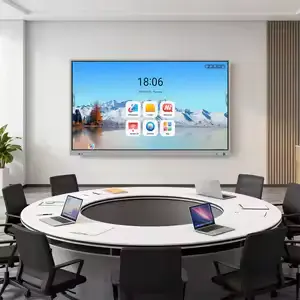
A digital screen is a modern display used for communication, presentations, and collaboration. It includes LED displays, LCD displays, interactive display screens, and smart touch displays that are widely used as digital display solutions in offices, schools, and commercial spaces.
These business presentation screens support touch interaction, wireless screen sharing, cloud connectivity, video conferencing, digital annotation, and real-time collaboration. They also function as electronic writing boards, making them effective digital communication tools for boardrooms, training centres, retail stores, and reception areas.
Writable Board vs Digital Screen: Feature Comparison
When comparing writable board vs digital screen, it is important to look beyond the initial cost. Features such as collaboration, content sharing, multimedia support, and long-term value can make a significant difference in how effectively businesses and educational institutions communicate.
| Feature | Writable Board | Digital Screen |
| Writing Experience | Manual | Digital touch and stylus |
| Content Sharing | Not available | Instant sharing |
| Remote Collaboration | No | Yes |
| Multimedia Support | No | Images, videos, presentations |
| Interactive Learning | Limited | Fully interactive |
| Data Saving | Manual photos | Automatic digital storage |
| Maintenance | Marker replacement | Software updates |
| Long-Term Cost | Low initially | Better long-term ROI |
| Business Presentation | Basic | Professional |
| Real-Time Updates | No | Yes |
How Writable Boards and Digital Screens Support Collaboration
Writable boards are useful for note-taking, brainstorming, and discussions in small groups. However, collaboration is limited as only one person can write at a time, and the content cannot be shared easily with remote participants.
An interactive display screen supports multiple users, real-time annotations, and wireless content sharing, making teamwork more efficient. As one of today’s leading digital communication tools, it also enables remote meetings, improves engagement, and helps teams collaborate seamlessly from different locations.
Long-Term Value and Cost Comparison
Writable boards are affordable and require a lower initial investment, making them suitable for basic communication needs. However, ongoing expenses for markers and accessories, along with limited functionality, can reduce their long-term value.
Digital screens have a higher upfront cost but offer better value over time. They help reduce printing expenses, improve productivity, and support advanced communication features, making them a smart investment for modern businesses and educational institutions.
When Does a Writable Board Make Sense?
A writable board remains a practical choice for environments that require simple writing and occasional collaboration. It is especially suitable when advanced digital features are not essential.
- Small classrooms
- Budget-conscious organizations
- Temporary meeting spaces
- Basic planning and note-taking
- Low-frequency usage
When Is a Digital Screen the Better Choice?
A digital screen is the ideal choice for organizations that require advanced communication, collaboration, and engaging presentations. Modern digital display solutions help improve productivity and deliver a more interactive experience across different environments.
- Offices can use business presentation screens for professional presentations, hybrid meetings, and seamless team collaboration.
- Schools benefit from digital screens by creating interactive classrooms that support digital learning and increase student engagement.
- Training centers can deliver multimedia lessons, live annotations, and online training sessions more effectively with digital displays.
- Retail businesses can attract customers through promotional content, dynamic advertisements, and engaging digital displays that are easy to update.
Why Businesses Are Switching to Digital Communication Tools
As businesses continue to embrace digital transformation, modern display technologies have become an essential part of everyday communication. Digital communication tools help organisations improve collaboration, streamline operations, and adapt to changing workplace needs.
- Hybrid workplaces can benefit from digital displays that keep in-office and remote teams connected.
- Remote collaboration becomes easier through real-time content sharing and virtual meeting support.
- Paperless operations reduce the need for printed materials and simplify document management.
- Better customer engagement is achieved through dynamic and visually appealing digital content.
- Faster decision-making is supported by instant access to information and real-time collaboration.
- Increased productivity comes from efficient communication and interactive presentations.
- Future-ready technology helps businesses stay competitive and adapt to evolving communication requirements.
Choosing the Right Solution for Your Organisation
Selecting the right communication solution depends on your organisation’s current requirements and future goals. Considering a few key factors can help you choose the option among writable board vs digital screen that can deliver the best value and performance.
- Consider your budget and the features you require.
- Evaluate your team size and daily collaboration needs.
- Choose a solution based on its intended purpose, such as teaching, meetings, or customer engagement.
- Think about how often content needs to be updated.
- Ensure the available space can accommodate the display.
- Select a solution that supports your organisation’s long-term growth and technology plans.
Upgrade Your Communication with ADORN LED Screens
Choosing the right display solution depends on your communication needs and long-term goals. While comparing writable board vs digital screen writable boards are suitable for basic tasks; digital screens provide better collaboration, flexibility, and efficiency for modern businesses and educational institutions.
Adorn LED Screens offers advanced digital display solutions for offices, schools, training centres, meeting rooms, and retail spaces. Contact our team today to find the right interactive display solution for your organisation.