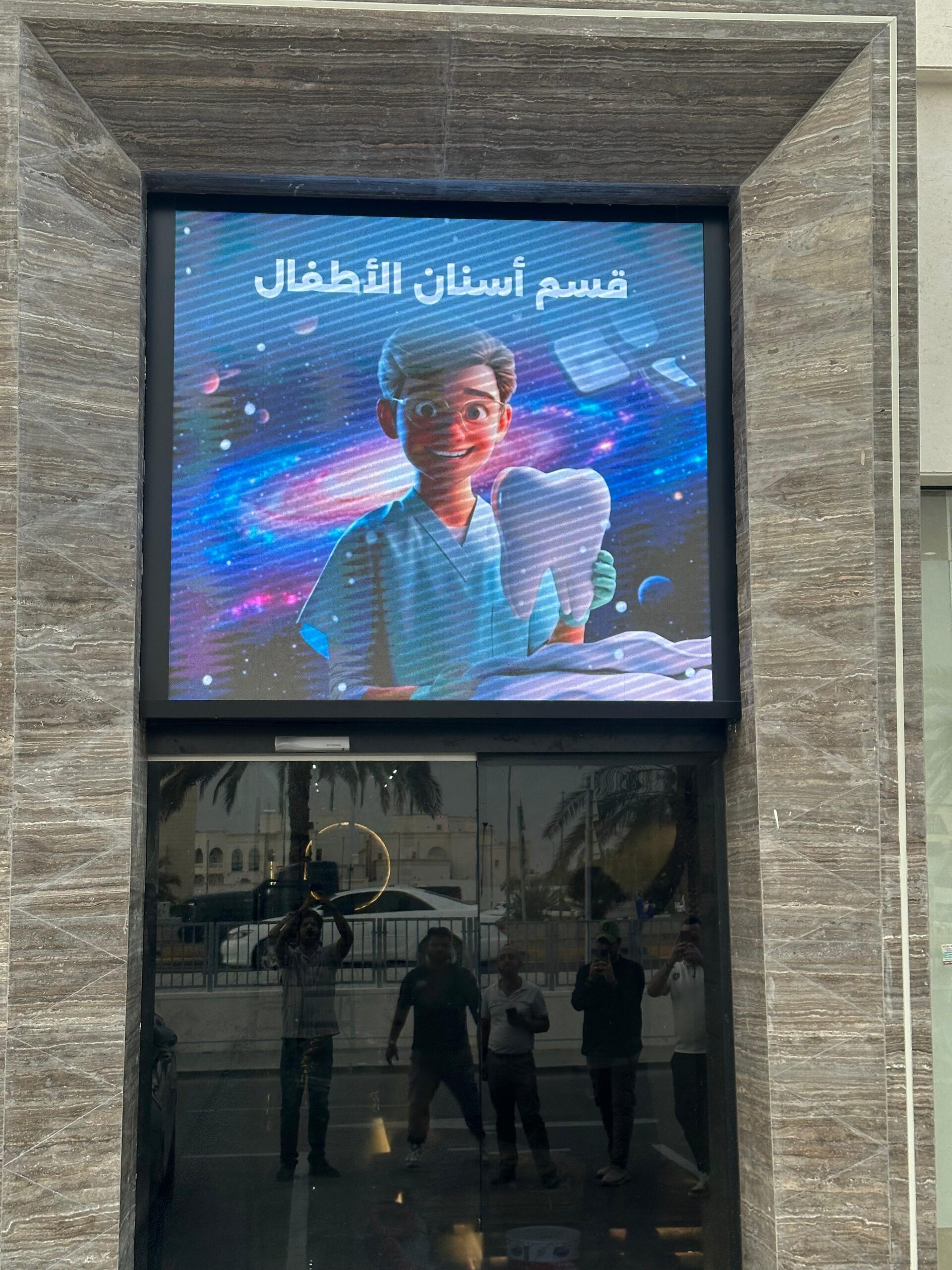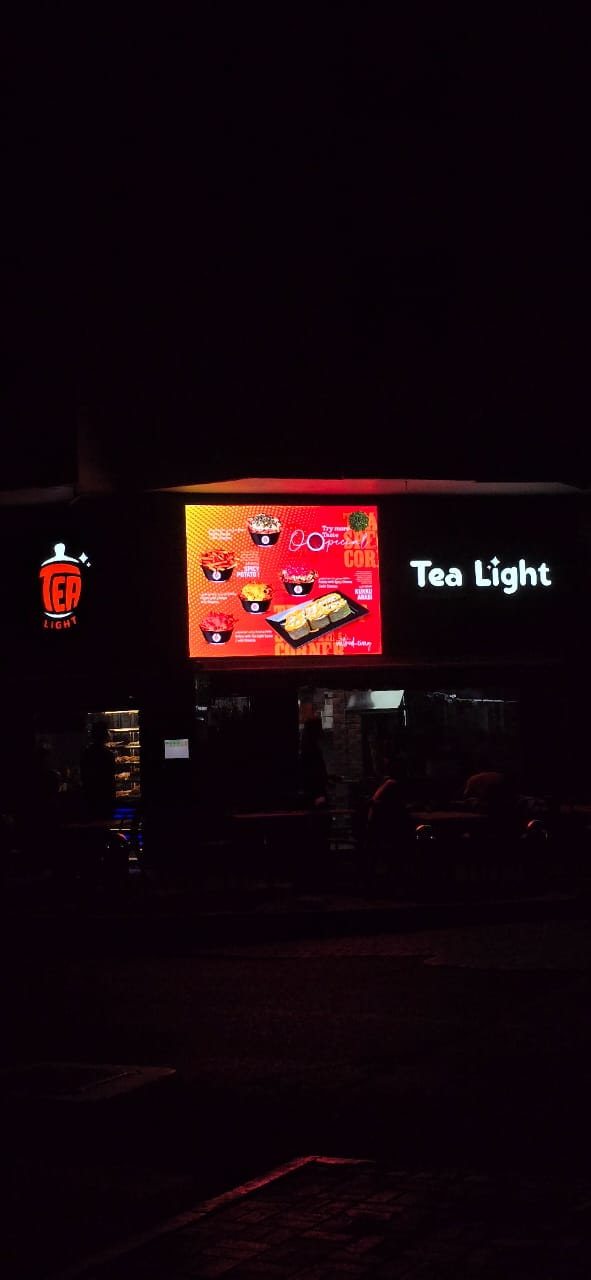
Pixel pitch is one of the must have factors to consider when choosing an LED screen, especially when image clarity, viewing distance, and display performance are important. Choosing the wrong pitch can make text look unclear or add unnecessary cost to your project. A pitch that suits a boardroom may not work for a stadium or outdoor billboard. Read on to see how to match pixel pitch with your screen size, viewing distance, content, and application.
Why Pixel Pitch Is Important When Choosing an LED Screen?
Pixel pitch is one of the most important specifications when buying an LED screen because it affects image clarity, viewing distance, resolution, and project cost. The right pitch should match the screen’s application, audience distance, content, and physical size.
- Image Clarity and Viewing Distance: A smaller pitch places pixels closer together, producing sharper text and detailed visuals for close viewing. A larger pitch can work well when viewers are farther away.
- Screen Size and Resolution: Pixel pitch and physical screen dimensions determine the total pixel count. A finer pitch can deliver higher resolution within a smaller display area, which is useful for detailed content.
- Project Cost and Power: Finer pitches require more LEDs within the same area, generally increasing display cost, power requirements, and heat generation. Choosing unnecessary pixel density can increase the budget without adding useful visual value.
- Content and Application: Presentations, small text, product visuals, control room content, and close viewing may require finer pitch. Large advertisements, building displays, and distant viewing can often use larger pitch effectively.
Choosing the Right Pixel Pitch for an LED Screen
The right pixel pitch cannot be selected from the pitch number alone. Use the closest viewer distance, screen width, application, and installation environment together. The following ranges provide a practical starting point for specifying an LED screen, while the final choice should account for content, viewing conditions, brightness, and required resolution.
Choosing LED Screen Pixel Pitch Based on Viewing Distance
The closest viewing distance is particularly important because viewers near the screen are more likely to notice individual pixels. A useful planning rule is that 1 millimetre of pixel pitch corresponds to roughly 1 metre of minimum viewing distance.
- 1 to 2 metres (3 to 6 feet): For close viewing in control rooms, executive meeting spaces, and premium retail displays, P0.9 to P1.5 provides the fine pixel density needed for clear text, detailed graphics, and high resolution content.
- 2 to 3 metres (6 to 10 feet): For conference rooms, training rooms, reception areas, and corporate spaces, P1.5 to P2.5 provides a practical balance between image clarity and display cost.
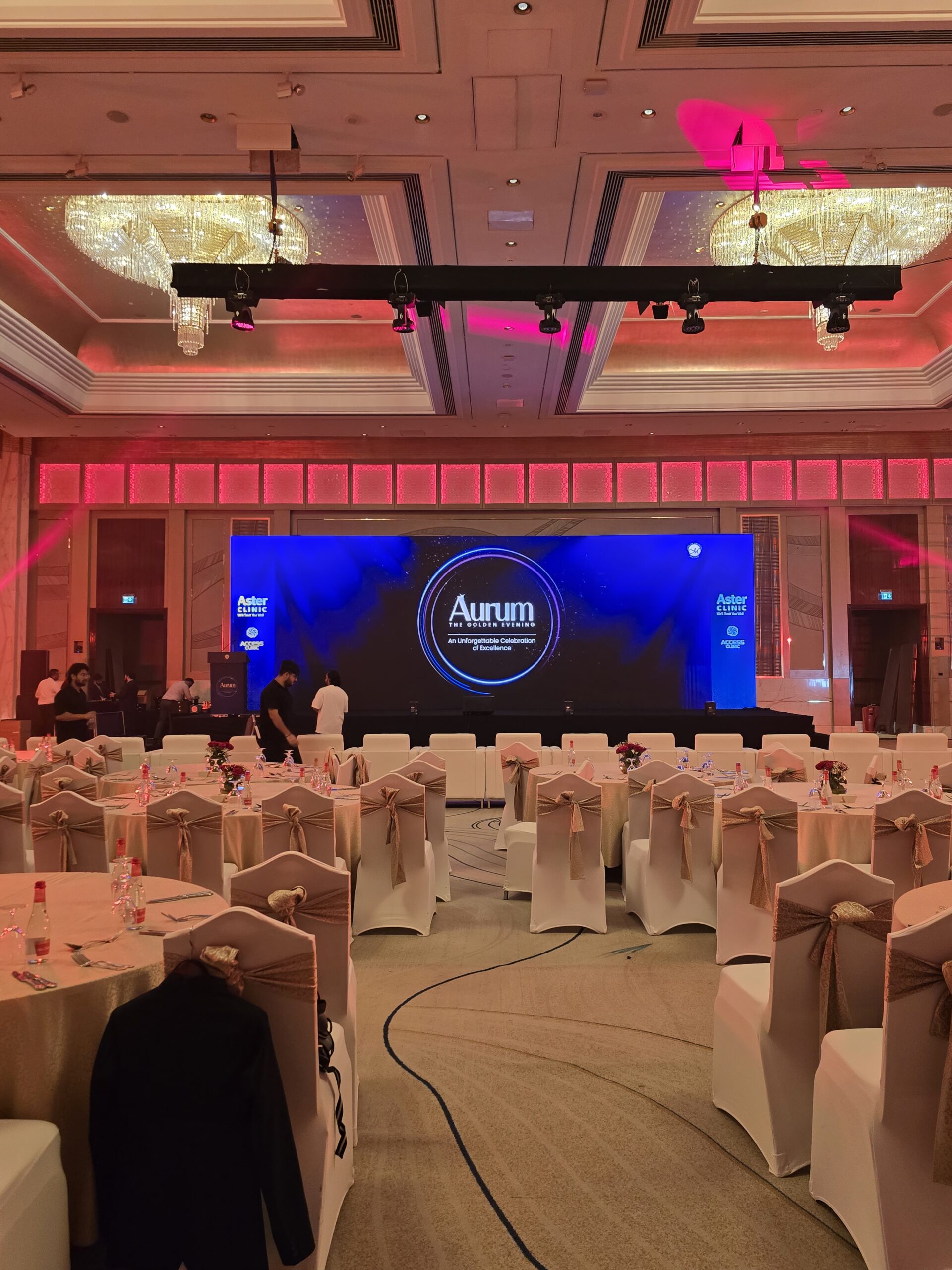
- 3 to 5 metres (10 to 16 feet): For meeting halls, conference venues, exhibitions, and event spaces, P3.0 to P3.9 can provide suitable image detail when viewers are positioned several metres from the screen.
- 8 to 15 metres (26 to 49 feet): For large indoor halls and outdoor advertising where viewers are farther away, P4 to P6 can provide effective visibility without unnecessary pixel density.
- 15 metres and above (49+ feet): For outdoor billboards, stadiums, and large event displays, P6 to P10 and above can suit distant audiences because individual pixels are less noticeable from greater viewing distances.
Choosing Pixel Pitch Based on Screen Size
- Small screen setups: For displays under 2 to 3 metres wide, P0.9 to P1.8 can provide the pixel density required for detailed text and graphics when audiences are positioned close to the screen.
- Medium screen installations: For displays measuring 3 to 6 metres wide, P2.0 to P3.9 can work well for retail spaces, exhibition areas, conference venues, and indoor commercial settings with moderate viewing distances.
- Large screen installations: For displays exceeding 6 metres, P4.0 to P10 and above can suit larger venues and outdoor applications where audiences are positioned farther away.
- Full HD screen requirements: A P1.5 LED screen can achieve 1920 by 1080 Full HD resolution at a smaller physical size than P3 because its pixels are positioned more closely together. A P1.5 display needs roughly 2.88 metres of width, while P3 needs roughly 5.76 metres for the same 1920 by 1080 pixel count.
Choosing Pixel Pitch Based on Application
- Corporate meeting rooms: For close viewing and detailed presentations, P1.2 to P1.9 can suit boardrooms and executive spaces where small text, spreadsheets, presentations, and video conferencing need to remain clear.
- Conference and training rooms: For viewing distances around 3 to 4.5 metres, P1.8 to P2.5 can provide clear presentation content while avoiding the unnecessary cost of a much finer pitch.
- Corporate lobbies and auditoriums: Where audiences typically view the screen from approximately 4.5 to 9 metres, P2.5 to P3.91 can provide suitable visual performance for presentations and video content.
- Small stages and VIP events: For front row audiences within approximately 3 metres, P1.8 to P2.9 can help maintain detailed visuals when attendees are close to the display or cameras capture the screen.
- Concerts, festivals, and stages: For audiences viewing from approximately 4.5 to 12 metres or more, P2.9 to P4.81 can provide a practical balance between image quality, display size, and event requirements.
- Large outdoor arenas and concert backdrops: For viewing distances above approximately 12 metres, P4.8 to P10+ can suit large displays. Outdoor screens also require high brightness, with 5,000 to 6,500+ nits useful for maintaining visibility in daylight.
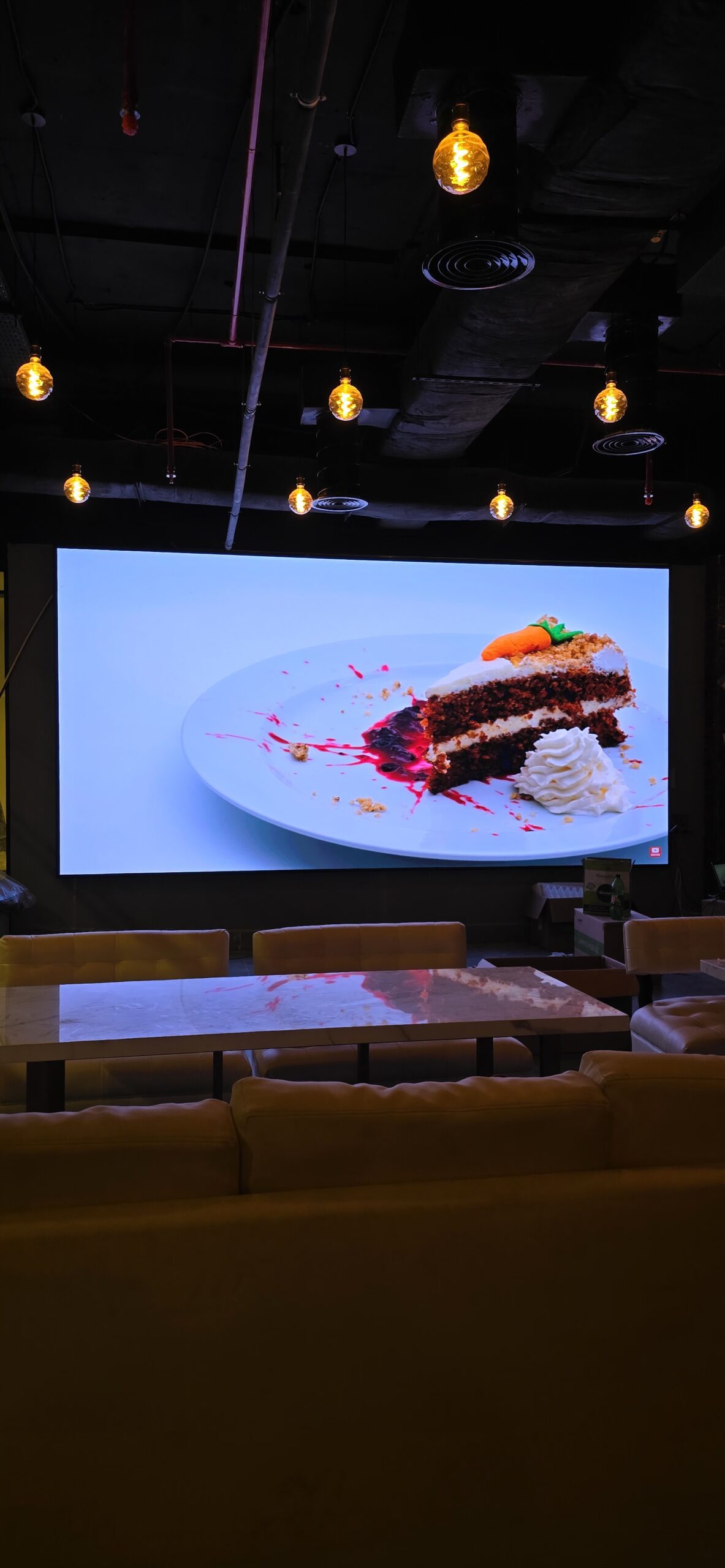
- Retail and exhibition displays: P1.2 to P3.9 can cover different retail and exhibition requirements, with finer pitches better suited to close product viewing and larger pitches suitable for bigger displays viewed from several metres.
- Stadiums and outdoor advertising: P4 to P10+ can suit large outdoor displays viewed from substantial distances. Brightness, weather protection, viewing angle, cabinet construction, and durability should be assessed alongside pixel pitch.
Choosing Pixel Pitch for Indoor or Outdoor LED Screens
Indoor LED screens: For meeting rooms, control rooms, retail displays, reception areas, showrooms, and conference venues, P0.9, P1.2, P1.5, P1.8, P2.5, and P3 are common options. The right choice depends on viewing distance, screen dimensions, room size, content detail, and how closely viewers will inspect the display.
Outdoor LED screens: For billboards, building displays, stadiums, and large event screens, P4, P5, P6, P8, and P10 can suit longer viewing distances. Outdoor selection should also consider brightness, weather protection, viewing angle, cabinet construction, durability, and installation conditions, because pixel pitch alone does not determine outdoor performance.
Choosing Pixel Pitch Based on Content Type
The content shown on an LED screen also affects the suitable pixel pitch. Text, detailed data, video, and large graphics place different demands on pixel density, so match the pitch to the level of detail viewers need to see clearly.
- Text heavy content and data dashboards: A fine pitch of P1.2 to P1.9 is suitable for spreadsheets, small text, data tables, and detailed information where pixel density directly affects readability.
- Video and motion graphics: A pitch of P1.9 to P2.9 can suit brand films, presentations, promotional videos, and motion graphics where viewers typically watch from a moderate distance.
- Large bold graphics and signage: A coarser pitch of P2.5 to P4.0 and above can work for simple logos, bold branding, large graphics, and advertisements viewed from greater distances, without paying for unnecessary pixel density.
How an LED Screen Provider in Dubai Can Help Select the Right Pitch
If you are confused about what pixel pitch to choose, a professional LED screen provider in Dubai can help you select a specification based on how and where the display will be used. Trusted LED screen suppliers in Dubai like Adorn can help you compare suitable pixel pitch options and identify the right solution for your specific installation, budget, screen size, viewing distance, content, and performance requirements.
Planning to buy an LED display in Dubai? Speak with Adorn about your screen size, viewing distance, application, resolution requirements, and suitable pixel pitch.