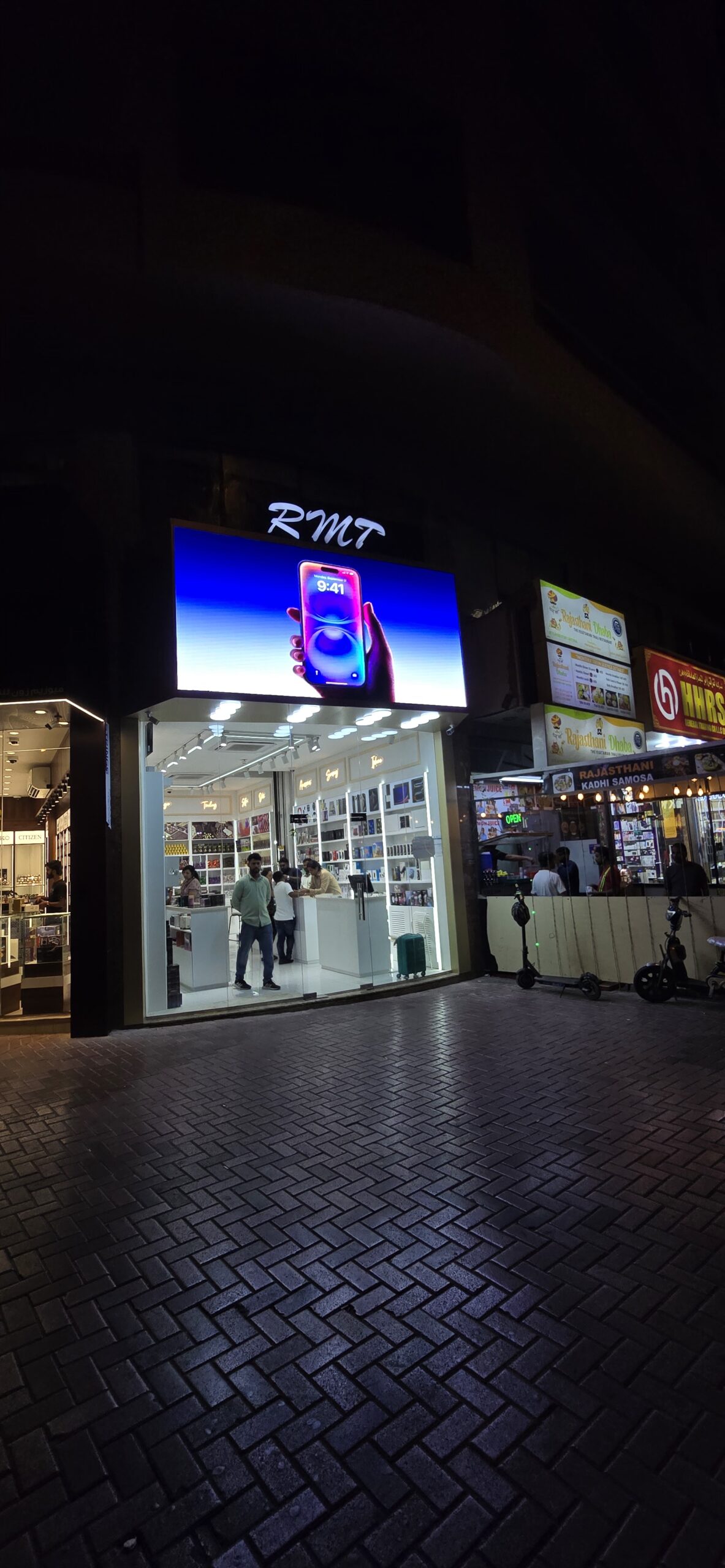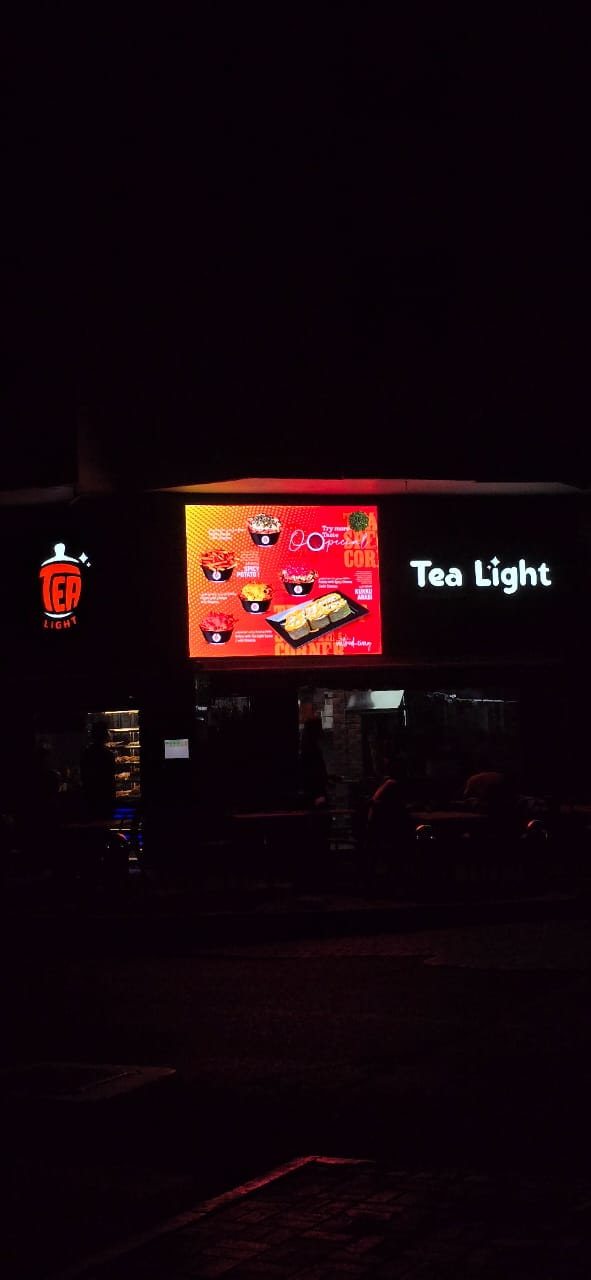
Businesses often get confused when comparing digital signage vs smart TV because both seem to serve the same purpose at first glance. The reality is simple. Digital signage is built for business use, while TVs are not. Many businesses choose TVs for commercial displays due to lower upfront cost and easy availability. That short term saving often leads to higher costs and performance issues later. Read on to learn why digital commercial displays are a smarter, more reliable choice for long term business use.
Why Businesses Use TVs Instead of Digital Signage
Many businesses choose TVs when comparing digital signage vs smart TV because they are easy to buy and readily available in retail stores. Built in apps make them appear suitable for business use at first. But this creates a false impression. TVs are designed for home viewing cycles, not continuous operation. In commercial display vs TV scenarios, TVs often overheat, lose brightness over time, and are not built to handle long daily usage, leading to performance issues and frequent failures.
Core Difference Between Digital Signage and TVs
Digital signage and TVs differ in design, usage, and long term performance. While both display content, digital signage is built for business environments, whereas TVs are made for limited home use.
Type of Display and Build Quality
In a commercial display vs consumer tv comparison, commercial screens like LG Commercial Display use industrial components designed for durability and consistent output. TVs such as Samsung Smart TV are built with lighter materials and are optimized for casual viewing, not demanding business conditions.
Brightness and Visibility in Business Environments
Digital signage offers high brightness levels between 500 to 2500 nits, making content clearly visible even in bright retail spaces. TVs have lower brightness, which affects visibility under strong lighting. In signage display vs television scenarios, this directly impacts customer attention and readability.
Application and Usage Scenarios
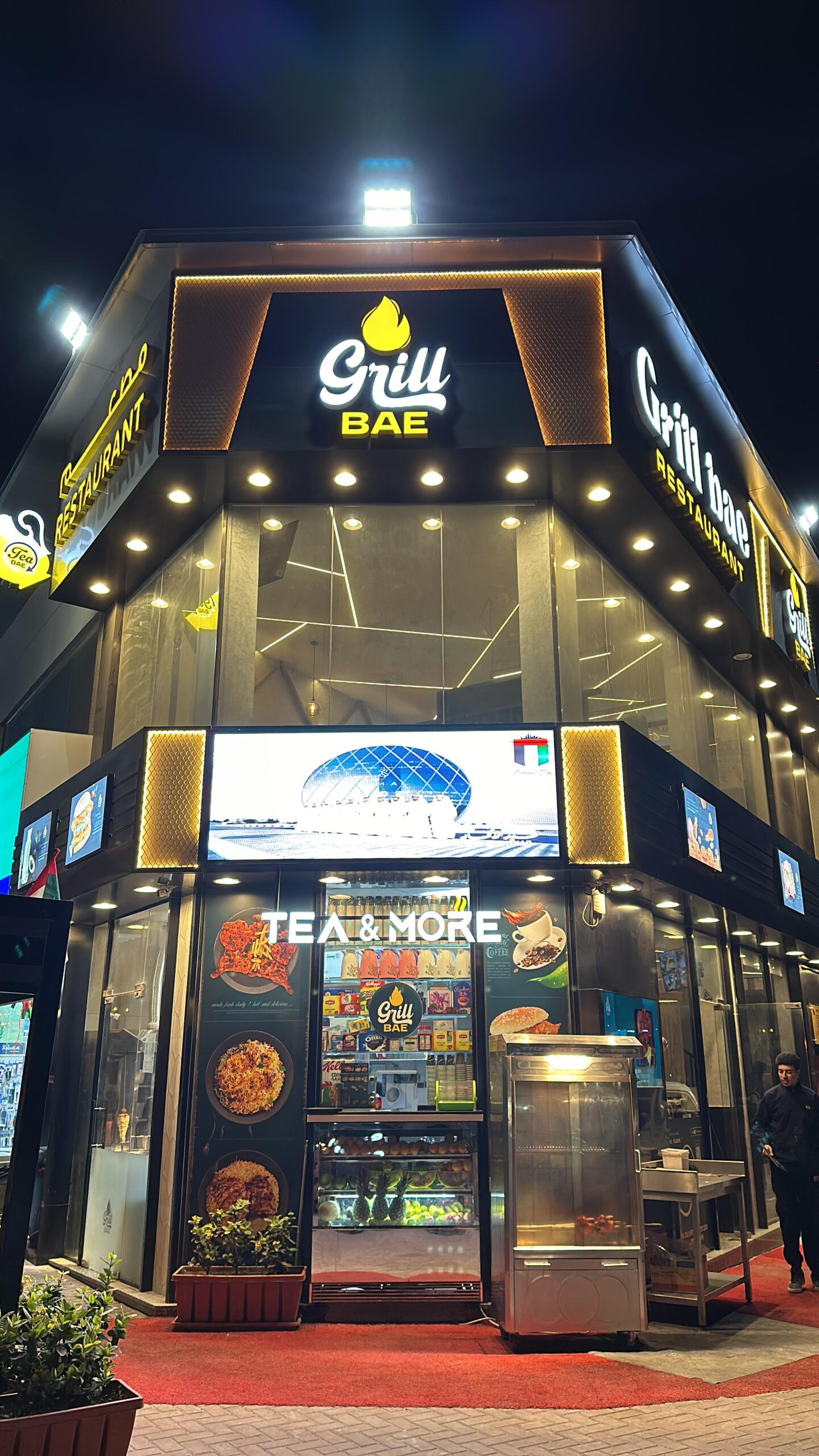
Digital signage is used across retail stores, restaurants, hospitals, and airports where content needs to run continuously. TVs running platforms like Android TV are better suited for homes or occasional office use, where viewing hours are limited and content control needs are basic.
Performance in Continuous Operation
In digital signage vs smart TV usage, commercial displays are designed to run 16 to 24 hours daily without performance drop. TVs are built for 4 to 8 hours of use, and extended operation often leads to overheating, lag, and reduced screen quality.
Durability and Lifespan
Commercial displays typically last between 50,000 to 100,000 hours under continuous use. TVs, in real business conditions, often last 15,000 to 30,000 hours. In commercial display vs tv comparisons, this difference results in more frequent replacements and downtime when using TVs.
Cost and Long Term Value
In the UAE, smart TVs typically cost AED 1,000 to 3,000, while retail display screens in the UAE range from AED 3,500 to 12,000 or more. TVs may need replacement within 1 to 2 years, increasing long term costs. Digital signage lasts longer with fewer failures, reducing maintenance effort and offering better return over time.
Content Control and Multi Screen Management
Digital signage supports videos, images, live feeds, dashboards, menus, and social content, with full control through CMS platforms like Samsung VXT and OptiSigns. Businesses can schedule content by time or location and manage multiple screens from one dashboard. Smart TVs like Samsung Smart TV only support basic media through apps or USB, require manual updates, and cannot handle centralized multi screen control efficiently.
Security and Installation Flexibility
Digital signage integrates with cloud systems, APIs, POS, and live data, enabling dynamic business use. It also offers secure access, user roles, and controlled publishing. In signage display vs television setups, commercial displays support video walls, kiosks, ceiling mounts, and portrait layouts. Smart TVs rely on limited apps, lack enterprise level security, and are mostly restricted to standard wall mounting and landscape orientation.
Indoor vs Outdoor Display Capability
Digital signage supports both indoor and outdoor use with brightness levels from 1500 to 4000+ nits and weather resistant design. TVs are built only for indoor environments. In outdoor digital signage vs TV scenarios, TVs fail due to low brightness and no protection.
Power Consumption and Efficiency
Commercial displays are optimized for long running hours with stable power usage. TVs consume inconsistently under continuous operation and generate more heat. Over time, this leads to energy inefficiency and higher operational strain in commercial display vs TV usage.
Support and Business Scalability
Commercial displays come with longer warranties, typically around three years, along with business focused support. TVs usually offer shorter consumer warranties with slower service response. Digital signage systems are built to scale from a single screen to multiple locations with centralized control. TVs are not scalable, as each screen needs separate setup and management, making expansion difficult for growing businesses.
| Feature | Digital Signage (Commercial Display) | Smart TV (Consumer) |
| Purpose | Built for business use and continuous display | Designed for home entertainment |
| Build Quality | Industrial components for durability | Lightweight materials for casual use |
| Brightness | 500 to 2500 nits for high visibility | Lower brightness, less effective in bright areas |
| Usage Hours | 16 to 24 hours daily operation | 4 to 8 hours recommended usage |
| Lifespan | 50,000 to 100,000 hours | 15,000 to 30,000 hours in real use |
| Performance Stability | Stable under continuous use | Overheating, lag, and quality drop over time |
| Content Support | Videos, live feeds, dashboards, menus, social content | Basic video, images, and streaming apps |
| Content Control | Remote CMS control, scheduling, automation | Manual updates via USB or apps |
| Multi Screen Management | Centralized control across multiple locations | Individual control per screen only |
| Integration | Supports cloud, APIs, POS, live data | Limited integration, mostly app-based |
| Security | User roles and controlled access | No enterprise level security |
| Installation Options | Video walls, kiosks, portrait and landscape | Mostly wall mount, landscape only |
| Scalability | Easily scalable across locations | Difficult to scale and manage |
| Warranty | Typically 3 years commercial warranty | Usually 1 year consumer warranty |
| Cost (UAE) | AED 3,500 to 12,000+ | AED 1,000 to 3,000 (usable sizes) |
| Long Term Value | Lower maintenance, longer life | Frequent replacements and higher upkeep |
Digital Signage vs Smart TV – Which One Should You Choose for Your Business
If your budget is very limited and display use is occasional, a smart TV can work for short term use. For businesses that rely on visibility, customer engagement, or consistent branding, digital signage is the better choice due to stable performance and continuous operation capability.
Digital signage is ideal for multiple screens, remote content control, and consistent output across locations. Smart TVs suit low demand setups but lack durability and scalability. For growing businesses, digital signage delivers better long term value with fewer operational issues.
Best choice based on business types:
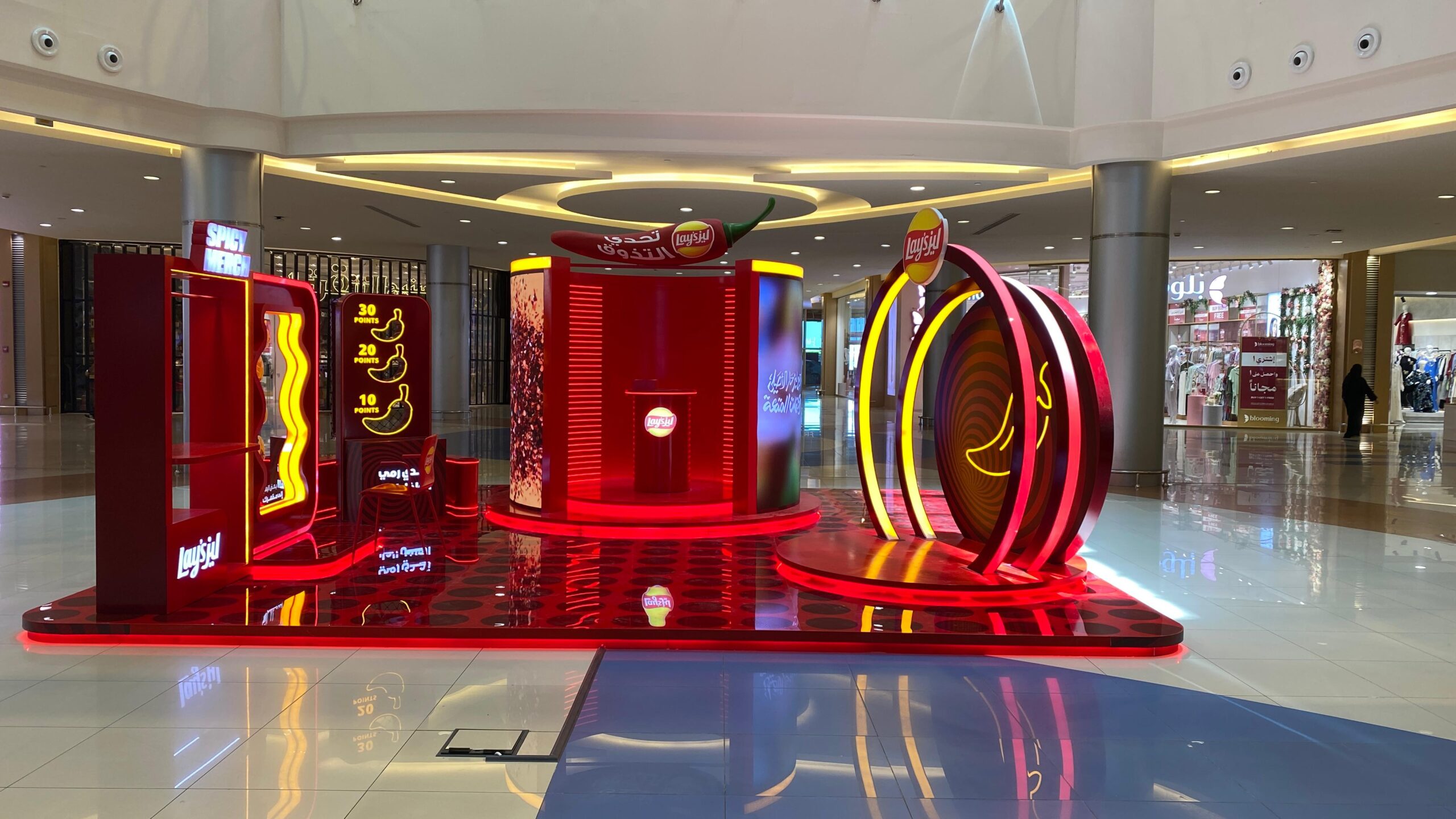
Retail stores: Digital signage is the better choice due to high brightness, continuous operation, and stronger visibility in busy environments where customer attention directly impacts sales.
Restaurants and cafes: Digital signage works best for menu boards and frequent updates, allowing easy content changes and consistent display without manual effort.
Offices and meeting rooms: Smart TVs can work for low usage scenarios where display needs are occasional and continuous operation or centralized control is not required.
Clinics and hospitals: Digital signage is ideal for displaying information, queue updates, and announcements with clear visibility and reliable performance in high traffic environments.
Looking for LED Screen Support?
Let’s have a quick discussion with ADORN LED Screen experts.
Common Mistakes When Choosing Display Screens
- Choosing TV based only on low upfront price, ignoring performance
- Ignoring daily usage hours and continuous operation requirements for displays
- Not planning for future scaling across multiple screens or locations
- Underestimating need for centralized content control and scheduling systems
- Using indoor TVs in bright retail or outdoor environments
- Overlooking brightness requirements for visibility in high footfall areas
- Ignoring long term maintenance, failures, and replacement costs for TVs
Choosing the Best Display Setup for Your Business
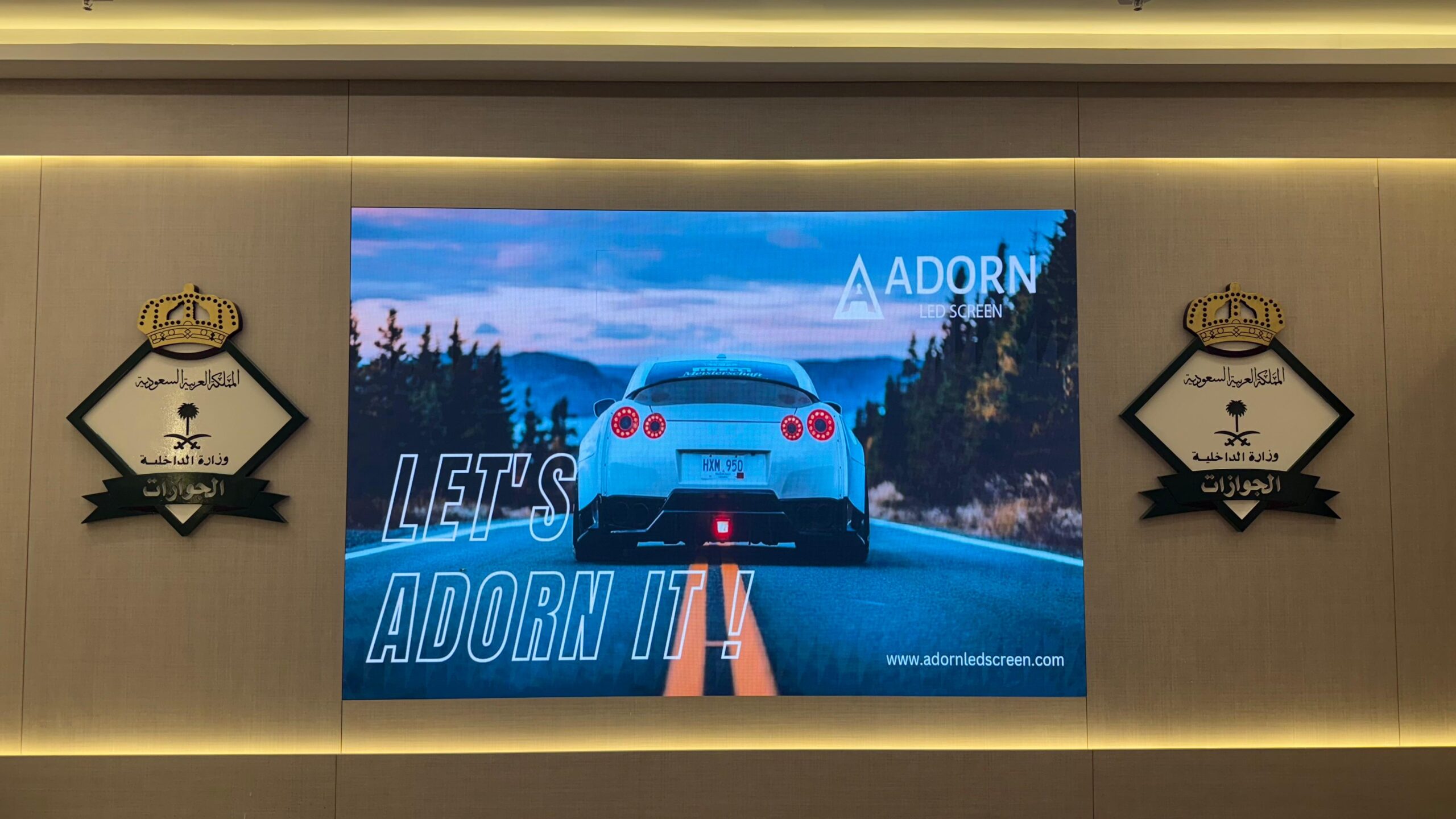
Choosing the right display depends on how your business uses screens daily. For businesses in UAE, digital signage offers better visibility, durability, and consistent performance compared to TVs. It supports continuous operation and centralized content control, which is essential in high footfall environments. Commercial display manufacturers like Adorn LED Screens provide durable and affordable retail LED screens in UAE, making them a reliable long term solution for growing businesses.