How do you determine the ideal LED screen size for your space? Choosing the right dimensions is important for displaying content clearly, attracting audience attention, and making the best use of the available area. A screen that is too small may be difficult to view from a distance, while an oversized display may not suit the installation space or viewing environment.
Factors such as viewing distance, available space, content type, and installation location determine the ideal LED screen size. This blog explains how to calculate the right dimensions and choose a suitable display for your space.
What Factors Determine the Right LED Screen Size?
Several factors influence the ideal LED screen size for your space, from viewing distance to the type of content you plan to display. Considering these factors helps you choose a screen that provides clear visuals and fits your installation requirements.
- Viewing distance: The distance between viewers and the screen affects how easily they can read text and see visual details. Larger spaces with viewers farther away may require a bigger display.
- Available space: Measure the wall width, ceiling height, and mounting area. Account for physical obstructions and the space needed for installation and maintenance.
- Screen resolution and pixel pitch: Pixel pitch refers to the distance between adjacent pixels. A smaller pixel pitch generally provides sharper images at closer viewing distances, while the required resolution depends on the content and display dimensions.
- Content type: Presentations, advertisements, videos, and live event feeds have different display requirements. Text-heavy content may need higher clarity, while large-scale visuals may benefit from a wider screen.
- Audience size: Displays intended for large audiences may need greater dimensions to keep content visible across the viewing area. Consider the audience layout and viewing angles when selecting the screen size.
How to Calculate the Ideal LED Screen Size
Calculating the right LED screen size involves measuring the available space, assessing viewing distance, and selecting suitable screen proportions. These steps help you choose a display that fits the installation area and presents content clearly.
Measure the Available Installation Area
Start by measuring the usable width and height of the wall or mounting area where you plan to install the screen. Account for surrounding fixtures, structural supports, ventilation requirements, and maintenance access. These measurements help establish the maximum practical screen dimensions for your space.
Determine the Viewing Distance
Measure the distance between the screen and the nearest and farthest viewers. A screen intended for a large auditorium or outdoor advertising may need different dimensions and pixel specifications than one used in a small meeting room. Consider viewing distance alongside content details to determine a suitable screen size and pixel pitch.
Choose the Right Aspect Ratio
Aspect ratio describes the relationship between a screen’s width and height. A 16:9 ratio is commonly used for videos, presentations, and digital content, while other ratios may suit specific advertising or architectural installations. Choosing the appropriate ratio helps prevent unwanted cropping or distortion.
Calculate Screen Width and Height
Once you have selected an aspect ratio, you can calculate the screen’s dimensions using simple formulas.
For a 16:9 screen:
- Screen height = Screen width × 9 ÷ 16
- Screen width = Screen height × 16 ÷ 9
- Screen area = Screen width × Screen height
For example, if your LED screen is 4 metres wide, its height at a 16:9 aspect ratio would be:
4 × 9 ÷ 16 = 2.25 metres
The screen would measure 4 metres × 2.25 metres, giving a total display area of 9 square metres. These calculations provide an estimate, as the final dimensions may depend on the LED modules and cabinet sizes available.
Select the Appropriate Pixel Pitch
Pixel pitch is the distance between the centres of two adjacent pixels, measured in millimetres. A smaller pixel pitch generally provides sharper images when viewers stand close to the display, making it suitable for detailed content and indoor applications. Displays viewed from greater distances may work well with a larger pixel pitch. Balance image clarity, viewing distance, screen dimensions, and budget when selecting the right configuration.
How to Choose the Right LED Screen Size for Different Spaces
The ideal LED screen size depends on where the display will be installed and how people will view its content. Considering the purpose of the screen, audience layout, and available space helps businesses choose dimensions that suit their needs.
Retail Stores and Shopping Malls
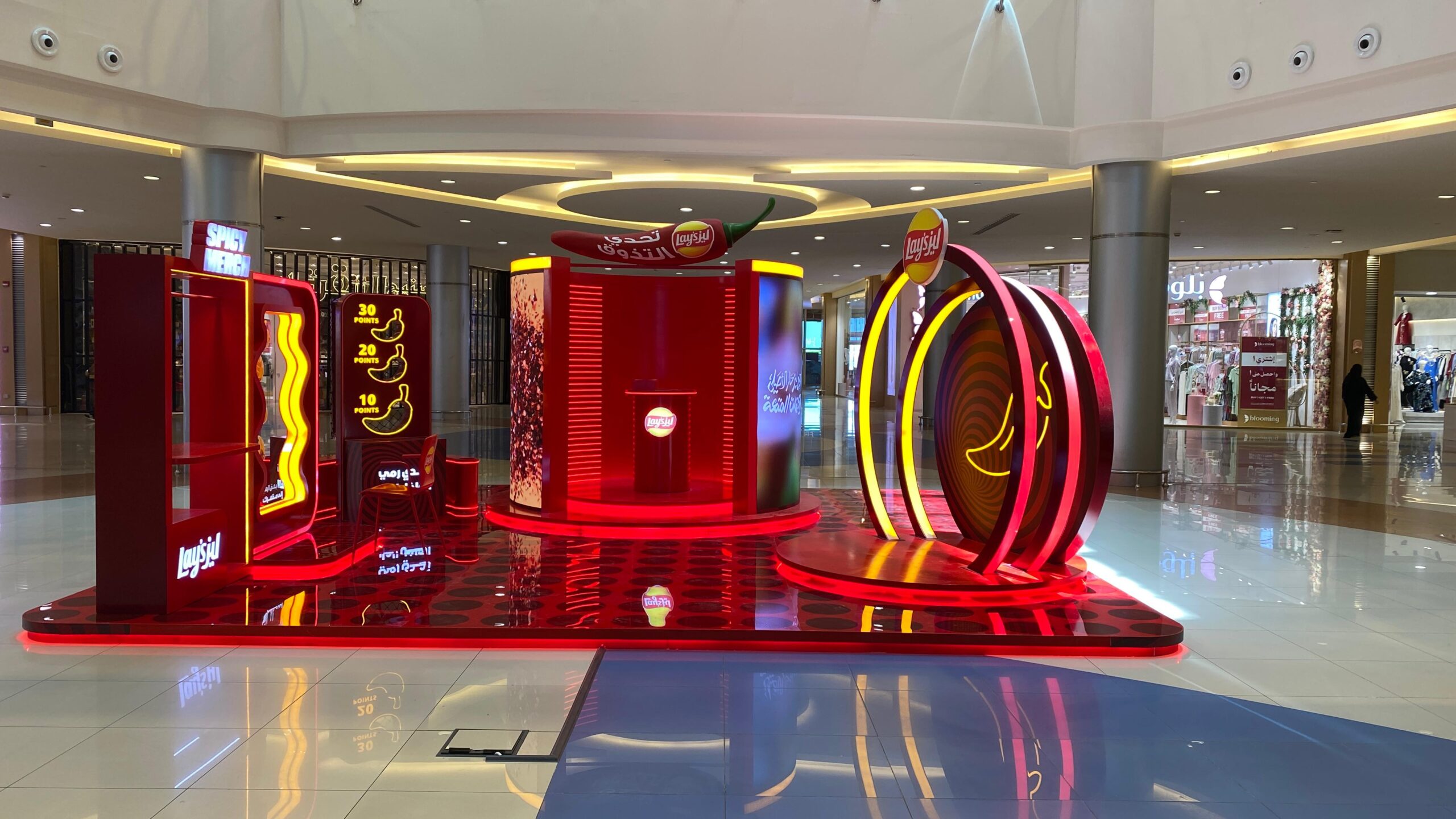
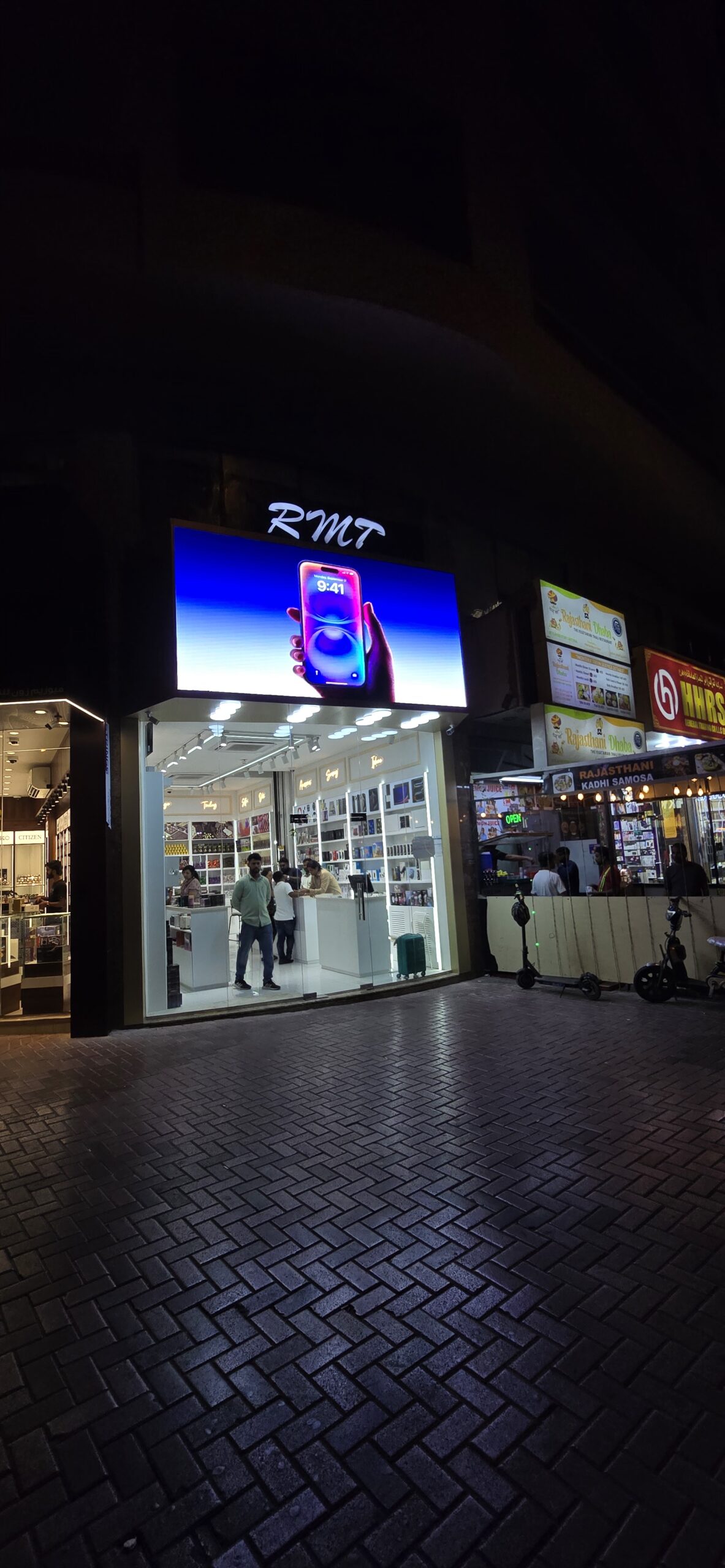
Retail stores and shopping malls use LED screens to display promotions, product videos, and brand advertisements. Screen dimensions should suit the available wall space and the distance customers typically stand from the display. Positioning screens in visible areas with high foot traffic helps attract attention without obstructing walkways or other store features.
Conference Rooms and Corporate Offices
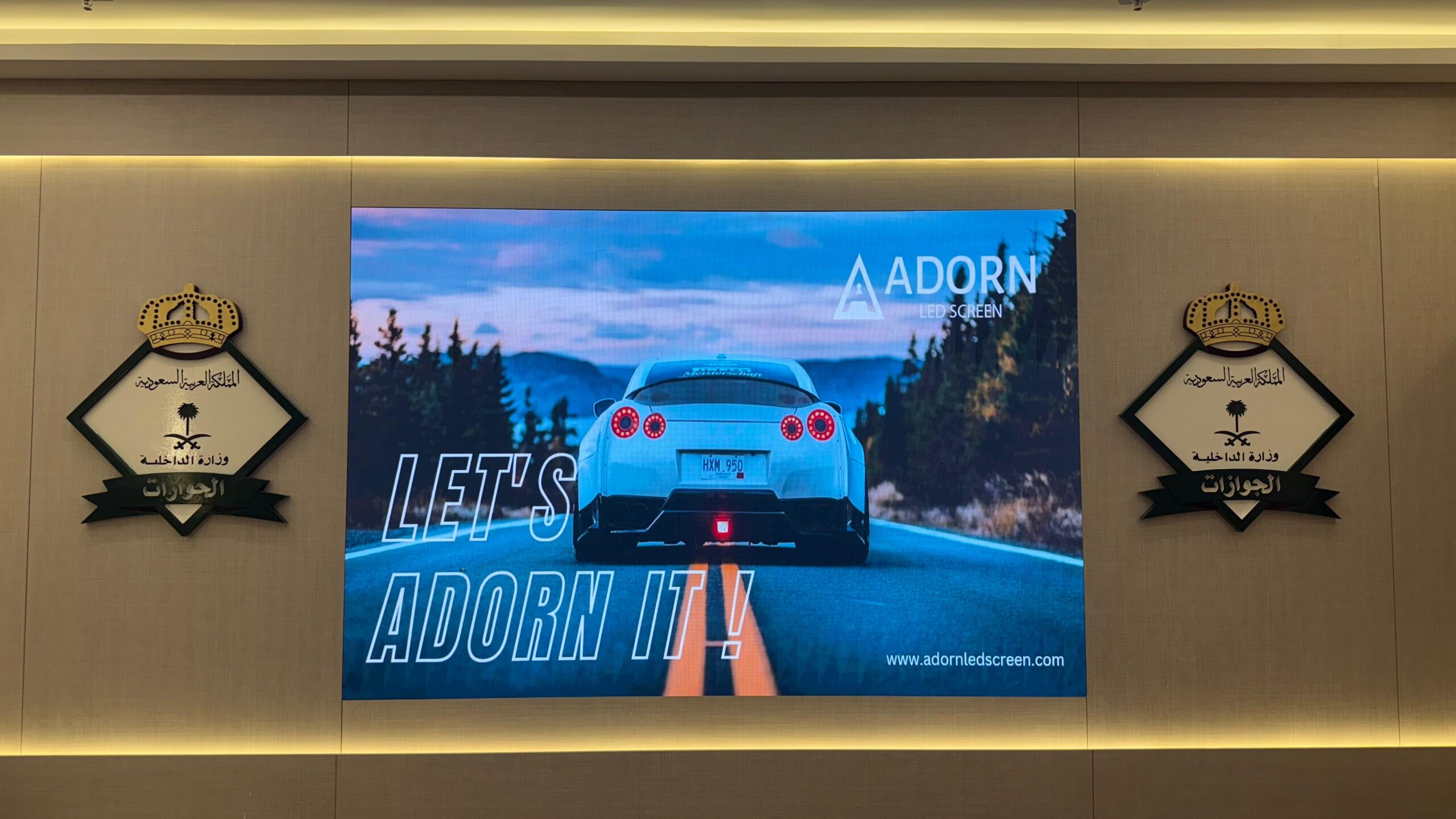
Conference rooms and corporate offices require LED displays that make presentations, dashboards, and video calls easy to follow. Consider the distance between the screen and the farthest seated participant when selecting dimensions. The screen should fit the room without overwhelming the space, while text and graphics should remain legible to everyone attending the meeting.
Events, Concerts, and Exhibition Halls
For events, concerts, and exhibitions, screen size depends on the stage dimensions, audience capacity, and viewing angles. Larger venues may require expansive LED displays so people farther away can follow presentations, performances, and live video feeds. Camera positioning and content layout should also be considered when screens are used for live broadcasts or recorded events.
Outdoor Advertising and Building Facades
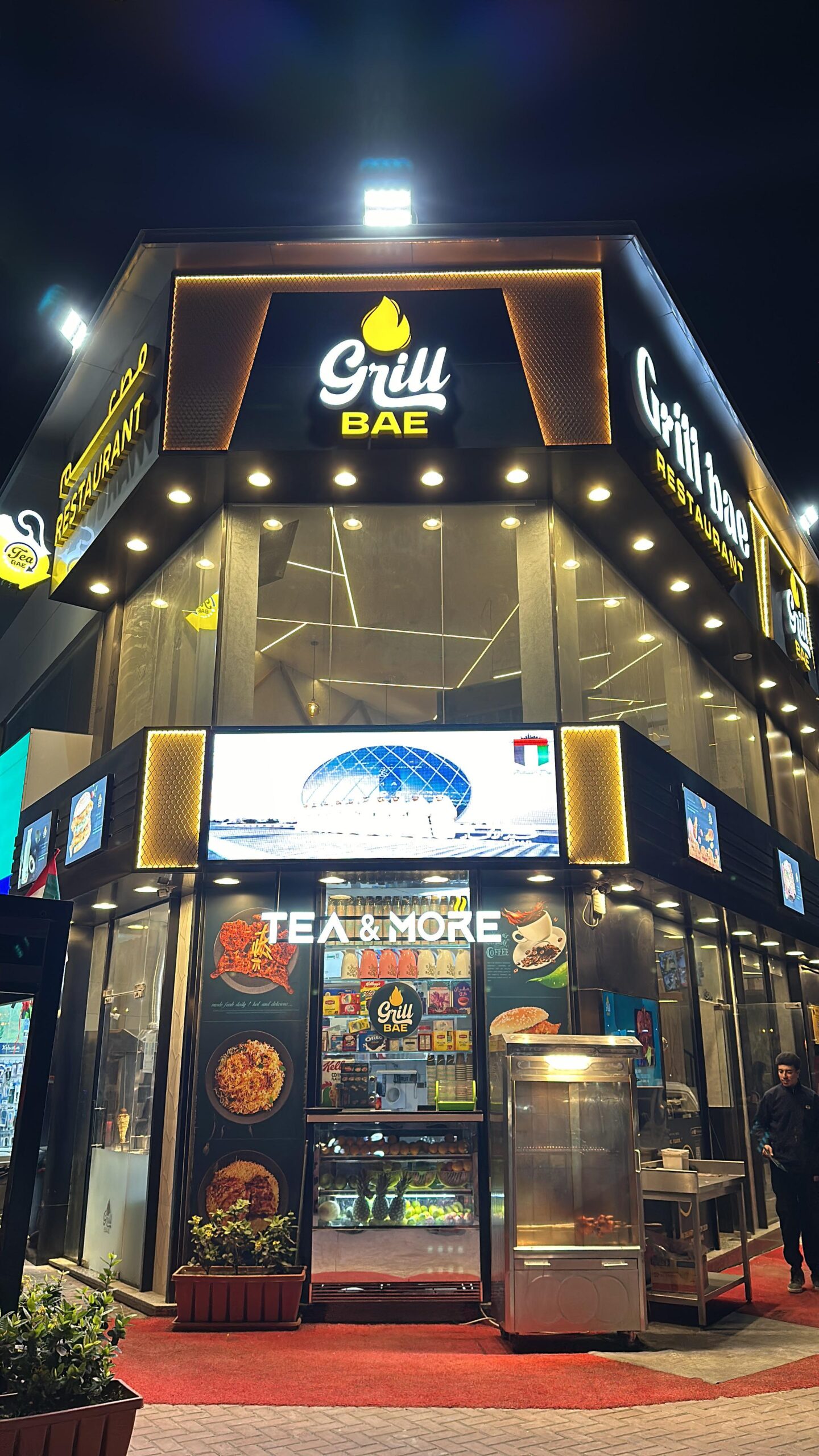
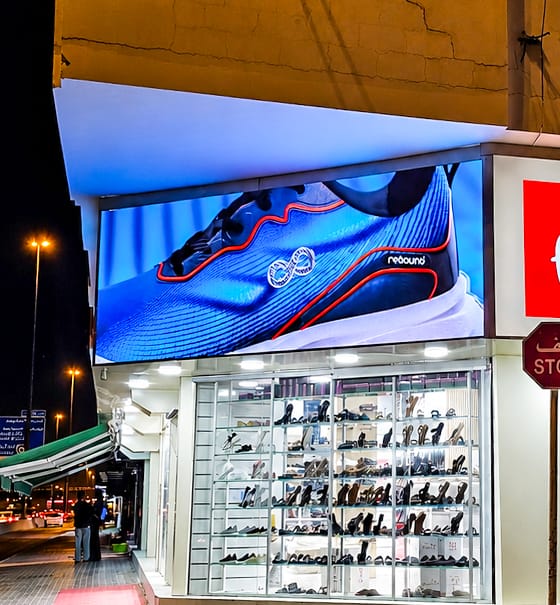
An Outdoor LED Screen used for roadside advertising, commercial buildings, or public spaces must remain visible across longer viewing distances and in changing lighting conditions. Screen dimensions, brightness, pixel pitch, and viewing angles should suit the location and intended audience. Before installation, assess the supporting structure, wind exposure, weather protection, and applicable local requirements to determine a practical and safe screen configuration.
Find the Perfect LED Screen Size for Your Space
Not sure which LED screen size suits your space? Our experts can help you choose the right screen based on viewing distance, installation area, and display requirements. Contact us today for a customised LED screen solution.
Indoor vs Outdoor LED Screen Size: What Should You Consider?
Choosing between indoor and outdoor LED screens depends on the installation environment, viewing distance, and intended use. Consider the following factors when selecting the right screen size:
- Indoor screens suit controlled lighting, while outdoor screens must remain visible in sunlight.
- Outdoor displays generally require higher brightness than indoor screens.
- Choose pixel pitch based on viewing distance and image clarity requirements.
- Outdoor screens need protection against rain, dust, and temperature changes.
- Consider screen weight, mounting strength, and wind loads during installation.
- Select screen dimensions based on available space, audience size, viewing distance, and purpose.
How LED Screen Installation Affects Screen Size Selection
Proper LED screen installation helps determine the suitable display dimensions, placement, and mounting configuration. Consider these factors before finalising your screen size:
- Mounting location: Wall-mounted, freestanding, suspended, and facade-mounted screens have different space requirements.
- Installation height: Consider viewing angles and whether the audience will be seated or standing.
- Structural support: Check the mounting surface, screen weight, and wind loads for outdoor displays.
- Power and ventilation: Allow sufficient space for electrical connections, heat dissipation, and maintenance access.
- Professional assessment: An installation team can verify measurements and recommend a suitable screen configuration for your space.
Common Mistakes to Avoid When Calculating LED Screen Size
Avoid these common mistakes when choosing an LED screen for your space:
- Selecting a screen based only on available wall space.
- Ignoring viewing distance and pixel pitch requirements.
- Choosing an aspect ratio that does not suit the content.
- Overlooking sunlight, ambient lighting, and viewing angles.
- Forgetting structural support, maintenance access, and cable routing.
- Finalising an order before verifying installation measurements.
Choose the Right LED Screen for Your Space with Adorn LED Screen
Finding the right LED display starts with understanding your space, viewing distance, and installation requirements. Adorn LED Screen offers solutions for various indoor and outdoor applications. Get in touch with Adorn LED Screen to discuss your project needs and explore a suitable display solution.