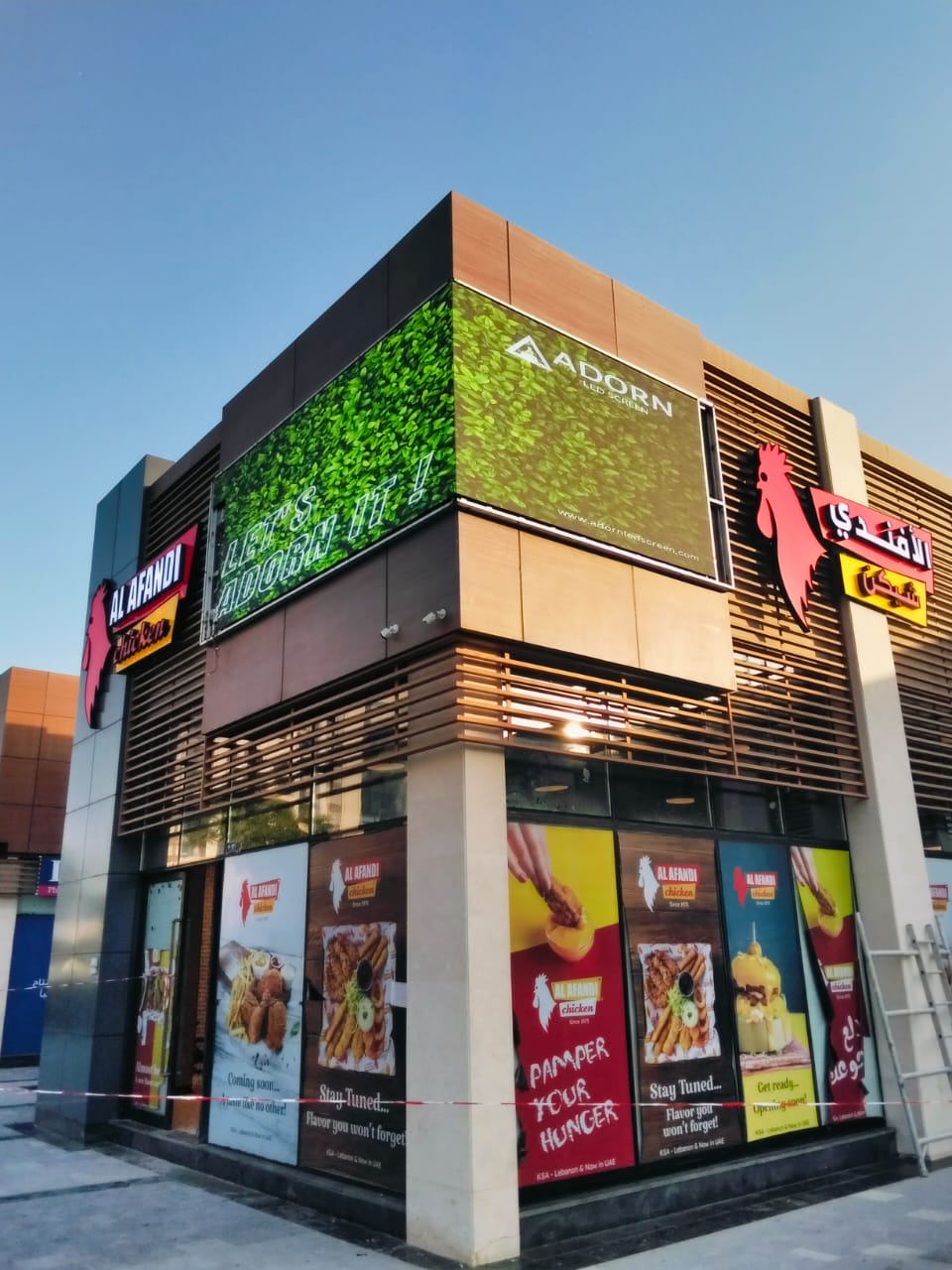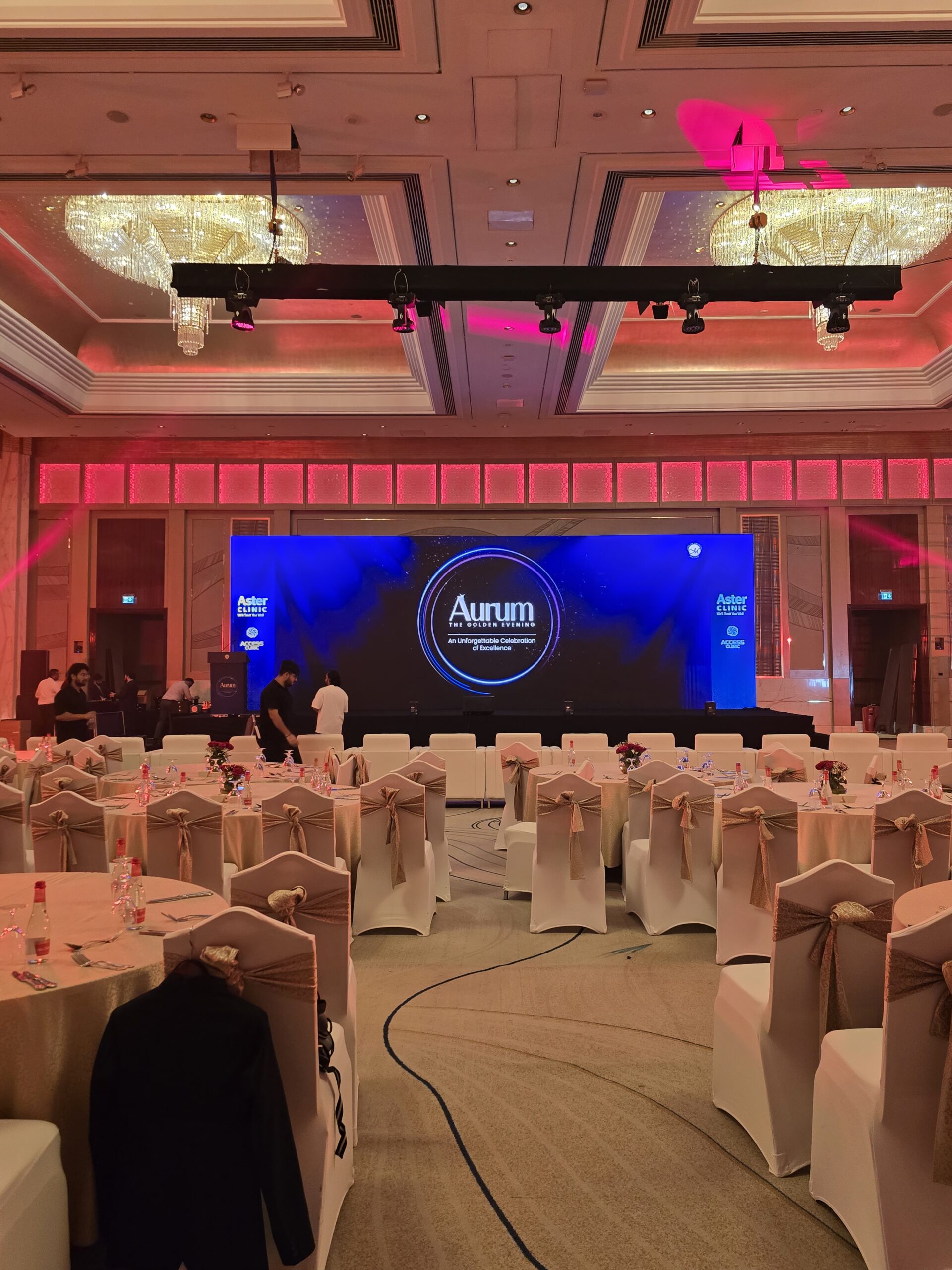
LED screens are moving beyond conventional digital signage into connected urban display systems. Across Dubai, investment in AI, IoT, intelligent transport, real time data and digital infrastructure is creating new opportunities for how cities communicate with people. Future displays can respond to traffic, transport conditions, emergencies, events, tourism activity and changing public needs instead of showing only fixed content. This makes LED screens in Dubai an increasingly useful part of smart city infrastructure. Let us take a closer look at how these technologies will change LED screens across Dubai smart cities.
The Futuristic Uses of LED Screens in Smart Cities
In the near future, LED screens in Dubai can become responsive communication points connected to transportation, public services, safety systems, tourism infrastructure and city data. Their role can extend from traffic information and passenger guidance to emergency communication, smart wayfinding, immersive experiences and advertising that changes according to its surroundings.
Real Time Traffic and Road Communication
Connected LED displays can give drivers timely information as road conditions change. Dubai already demonstrates this through RTA, which operates 112 electronic Dynamic Message Signs across Dubai’s main road network, integrated with its iTraffic system. Real time information has contributed to journey time reductions of up to 20 percent on key corridors. These displays can support drivers with:
- Traffic congestion alerts
- Accident warnings
- Route changes
- Road restrictions
- Journey information
Intelligent Transport and Passenger Information
LED displays can make public transport information easier to access as Dubai’s mobility network continues to expand. In the first half of 2026, Dubai’s public transport, shared mobility and taxi services carried 348.1 million riders, while the Metro alone carried 136.5 million. With the Blue Line progressing toward its planned 2029 opening and further network expansion ahead, connected screens can provide:
- Metro arrival information
- Bus arrival information
- Airport displays
- Platform information
- Route changes
- Passenger wayfinding
- Journey updates
Public Safety and Emergency Communication
During an emergency, LED screens can become highly visible public communication infrastructure across roads, transport areas and busy public spaces. Dubai’s RTA is expanding intelligent traffic infrastructure across the emirate, with its systems using AI, big data, sensors and real time information to support faster incident response. The upgraded traffic system is also designed to integrate future road sensors and connected vehicle technologies. These capabilities can support:
- Emergency alerts
- Accident warnings
- Weather warnings
- Evacuation information
- Temporary restrictions
- Crowd management
- Public announcements
Smart Wayfinding and Urban Navigation
Connected LED wayfinding can guide people according to current transport conditions, events, access restrictions and visitor movement. Dubai is continuing to expand intelligent mobility infrastructure, with RTA targeting broader intelligent traffic coverage and using real time traffic data to identify congestion patterns, road conditions and changes in vehicle speeds. Future LED networks can use this information to direct people towards:
- Metro stations
- Bus connections
- Tourist attractions
- Event entrances
- Alternative routes
- Location based information
- Congestion aware directions
Tourism, Entertainment and Immersive Experiences
Large LED installations can become part of tourism and entertainment environments rather than functioning only as signage. Dubai is continuing to invest in technology driven public spaces, including the AED 80 million Dubai Creek Lights project launched in 2026, which will create an eight kilometre nighttime experience across Dubai Creek. Future LED environments can support:
- Digital art
- Immersive tourism
- Curved LED environments
- Architectural LED
- Retail experiences
- Entertainment destinations
- Major events
Advertising That Responds to Its Environment
Connected advertising displays can move beyond fixed schedules by using information about time, location, traffic, events, weather and audience activity. Dubai’s traffic infrastructure already processes historical and real time traffic information through intelligent digital platforms, identifying congestion points, traffic patterns, speed changes and unexpected road conditions. Future LED advertising networks can use similar inputs for:
- Time based advertising
- Location based content
- Visitor numbers
- Traffic conditions
- Events
- Weather
- Audience movement
LED Screens Connected to Dubai’s Digital City Platforms
Dubai’s emerging city platforms show how LED displays could become part of a wider urban information network. Dubai Live brings together real time city operations, infrastructure information, mobility data, AI, Digital Twin technology and analytics. Future LED networks could use relevant information from these systems to communicate traffic changes, public safety alerts, transport conditions and other location specific updates across Dubai.
Technologies Transforming LED Screens by 2030
Dubai’s smart city infrastructure is moving towards integrated systems where AI, IoT, digital twins and real time data work across urban operations. Platforms such as Dubai Live and Dubai’s Digital Twin create opportunities for LED networks to become connected communication infrastructure, receiving city data and delivering relevant information across roads, transport hubs, public spaces and urban destinations.
- AI powered LED displays: AI can analyse traffic, transport, weather and safety data to determine relevant information for specific displays, supporting more responsive communication across Dubai’s connected urban environment.
- IoT connected LED displays: IoT can connect LED screens with traffic sensors, weather systems, transport infrastructure and buildings, allowing displays to receive changing conditions from connected smart city assets.
- Real time data driven displays: Live traffic, transport and incident information can replace fixed content, enabling LED screens to communicate changing road conditions, journey disruptions, events and public information.
- Digital twin integration: Digital twins can provide operators with a digital view of LED infrastructure, including operating status, connectivity, power, temperature, brightness and maintenance requirements across connected city networks.
- Cloud based management: Cloud platforms can centrally control LED networks across roads, transport hubs and public spaces, enabling remote content updates, scheduling, permissions, performance monitoring and operational management.
- Energy efficient infrastructure: Automated brightness, power monitoring, thermal checks and remote diagnostics can help Dubai manage energy consumption and equipment performance across expanding networks of connected urban LED displays.
Next Generation LED Display Technologies for Dubai Smart Cities
MicroLED Displays
MicroLED uses microscopic inorganic LEDs as individual pixels, delivering exceptional brightness, contrast, clarity and durability. With operating life exceeding 100,000 hours, the technology is suited to Dubai’s harsh outdoor conditions, premium smart city environments, command centres, luxury developments and large immersive installations.
Anamorphic and Naked Eye 3D LED Walls
Large curved or corner LED walls can create glasses free 3D illusions using forced perspective and specialised digital content. Dubai can apply these displays across premium plazas, retail districts, entertainment destinations and smart city landmarks to create interactive visual experiences that attract and engage visitors.
QDEL Quantum Dot Electroluminescent Displays
QDEL uses electricity directly to illuminate quantum dots, potentially creating self emissive displays without conventional LED chips. Its future potential includes highly accurate colours, advanced brightness and digitally manufactured display structures, with companies including Nanosys and TCL demonstrating prototypes for emerging commercial applications.
Transparent and Spatial LED Displays
Transparent LED can integrate digital visuals into glass and mesh structures while maintaining visibility through the surface. With transparency potentially reaching 80 to 95 percent, these displays could support Dubai’s smart buildings, retail façades, transport hubs and commercial architecture without completely concealing the physical environment.
Flexible, Rollable and Stretchable Displays
Flexible display technologies use plastic or polyimide substrates instead of rigid glass, allowing screens to bend, roll and wrap around unusual surfaces. Future applications could include smart vehicle interiors, curved architectural installations, wearable interfaces and advanced robotic systems requiring display surfaces beyond conventional flat panels.
Making an Informed LED Display Investment for the Future
The future of LED screens in Dubai is not simply about bigger screens or higher resolution. It is about connected LED infrastructure that combines visual communication with AI, IoT, real time data, digital twins, advanced display technology and cloud management. These developments can expand LED applications across transportation, safety, tourism, advertising and public spaces. In Dubai, the next generation of LED screens will increasingly function as connected urban infrastructure, combining visual communication with the data and digital systems that make smart cities work.