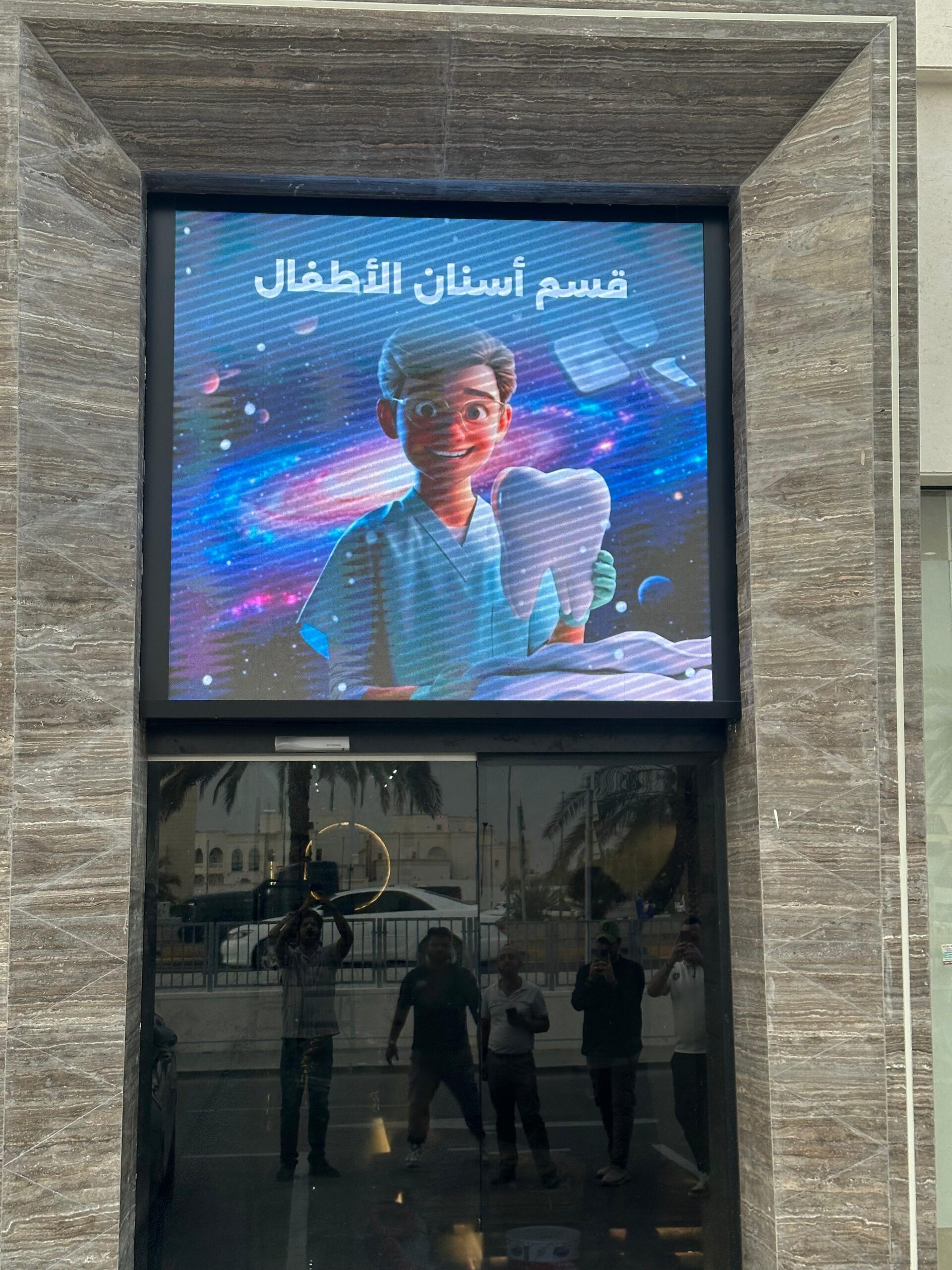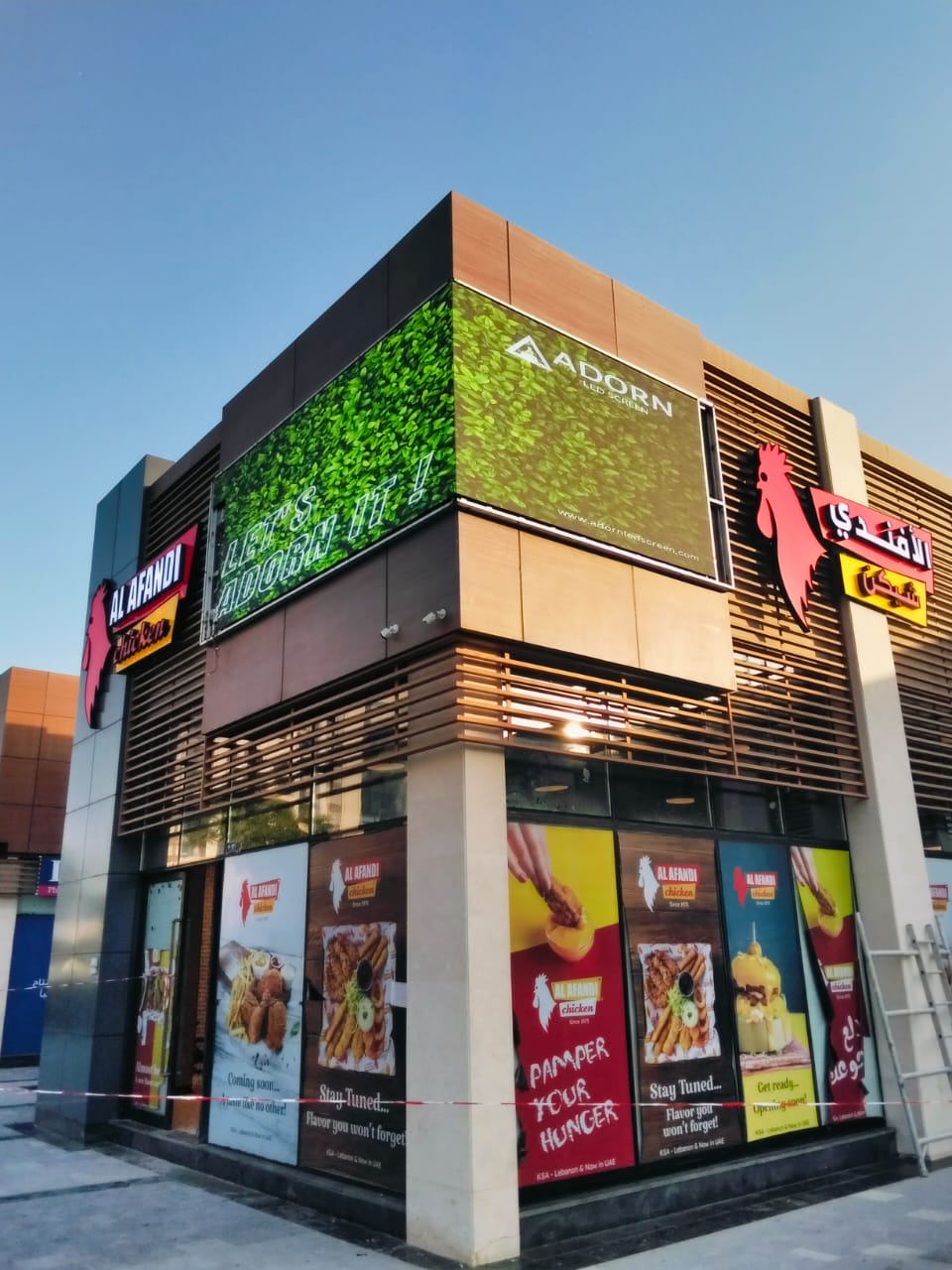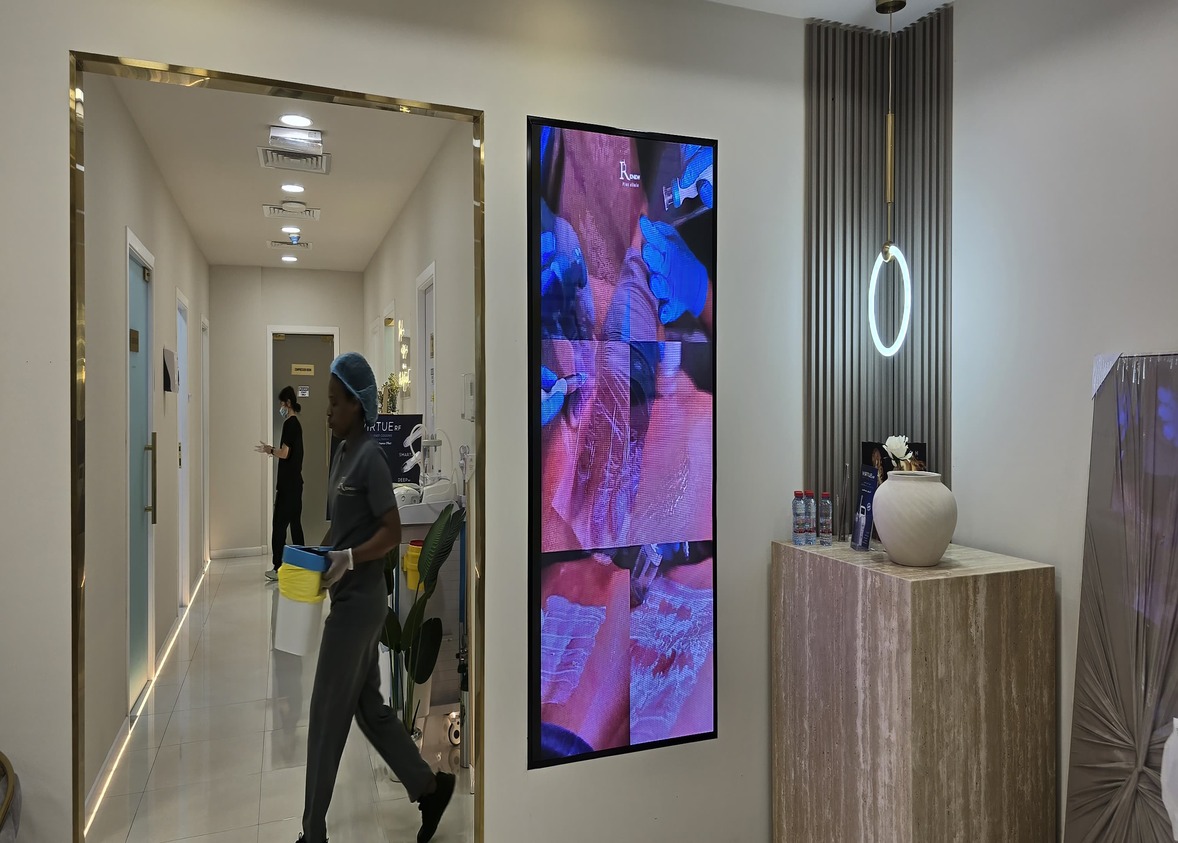
Transparent LED screens require extra care during transportation because their slim panel structure and delicate LED modules are highly sensitive to shock, pressure, and vibration. Even minor mishandling can lead to pixel damage, affecting brightness consistency and overall display quality.
Proper logistics planning, including suitable packaging and careful handling, helps maintain screen performance and visual clarity while reducing the risk of costly repairs, replacements, and project delays.
Common Causes of Pixel Damage During Transportation
Transparent LED screens are sensitive electronic displays, and improper handling during transportation can easily affect pixel performance. Understanding the common causes of pixel damage helps ensure better protection and reduces the risk of costly repairs or display issues.
- Shock and vibration during handling or vehicle movement can disturb delicate LED components.
- Excess pressure on fragile LED modules may cause pixel failure or screen distortion.
- Poor packaging materials that do not absorb impact increase the chances of physical damage.
- Exposure to static electricity can affect sensitive electronic circuits and connections.
- Improper stacking or contact with sharp objects may scratch or damage the screen surface.
Proper Packaging Methods
Proper packaging plays a key role in preventing pixel damage in transparent LED screens during transportation. Using protective materials helps reduce the impact of shock, vibration, and pressure on delicate LED modules.
- Use customized protective flight cases or reinforced wooden crates for strong protection.
- Apply high-density foam padding to absorb shocks and prevent panel movement.
- Include anti-static wrapping to safeguard sensitive electronic components.
- Maintain adequate spacing between panels to avoid pressure damage.
- Label packages as fragile to ensure careful handling during transit.
Looking for LED Screen Support?
Let’s have a quick discussion with ADORN LED Screen experts.
Safe Loading and Transport Practices
Proper loading and transport practices are essential to prevent pixel damage in transparent LED screens. Since these screens contain delicate LED modules, careless handling can lead to vibration stress, loose connections, or display defects. Ensuring correct procedures during loading helps maintain the structural integrity of the panels.
Handling should always be done carefully using correct lifting techniques to avoid bending or accidental drops. Panels should be kept in an upright position as recommended by manufacturers, as improper positioning may create pressure on sensitive components. Trained personnel should manage loading and unloading to reduce the chances of impact damage.
During transportation, screens must be securely positioned inside the vehicle to prevent shifting caused by sudden braking or uneven roads. Heavy objects should never be placed on top of LED panels, as excess weight can affect pixel alignment. Using stable vehicles with proper cushioning helps reduce vibration and ensures the screens reach the installation site safely.
Inspection Before Installation
Inspecting transparent LED screens before installation helps identify any damage that may have occurred during transportation. A careful check ensures that pixel quality, connections, and overall screen performance remain intact before the display is set up.
- Check panels visually for any physical damage, cracks, or loose components.
- Test screen modules to detect dead pixels or uneven brightness.
- Verify cable connections and power interfaces to ensure proper signal transmission.
- Confirm that all panels are functioning correctly before proceeding with final installation.
Conclusion
Proper packaging and careful handling play an important role in preventing pixel damage when transporting transparent LED screens. Using suitable protective materials, following correct loading procedures, and minimizing vibration or pressure during transit help maintain the delicate LED modules in good condition.
Implementing structured logistics and thorough inspection procedures helps maintain consistent display quality and reliable performance after installation. Investing in safe transport practices not only reduces the risk of damage but also helps protect the long-term value and durability of transparent LED screens.
FAQs
- Why are transparent LED screens more vulnerable to pixel damage during transportation?
Transparent LED screens have slim panel structures and delicate LED modules, making them more sensitive to shock, vibration, and pressure compared to traditional displays. Improper handling can affect pixel alignment and overall screen performance. - What type of packaging is best for transporting transparent LED screens?
Customized flight cases, reinforced wooden crates, high-density foam padding, and anti-static wrapping provide effective protection against impact, vibration, and electrical damage during transit. - How can vibration during transport affect LED screen pixels?
Continuous vibration can loosen internal components or disturb LED alignment, which may lead to dead pixels, uneven brightness, or connection issues affecting display quality. - Should transparent LED panels be transported horizontally or vertically?
Most manufacturers recommend transporting panels in an upright position to reduce pressure on delicate components and maintain panel stability during movement. - Is testing required before installing transported LED screens?
Yes, testing helps identify dead pixels, loose connections, or brightness inconsistencies. Inspecting panels before installation ensures proper performance and helps avoid technical issues after setup.