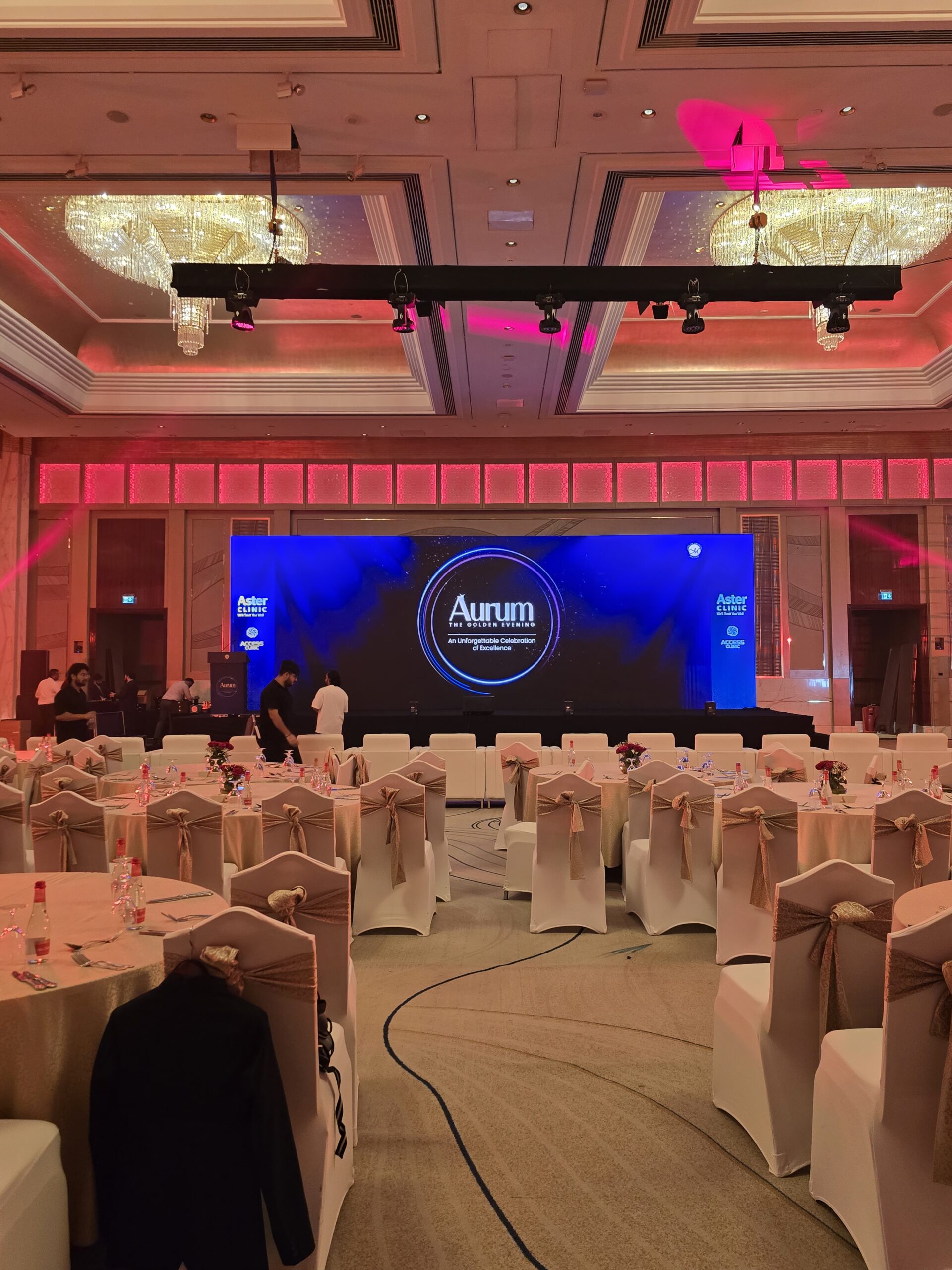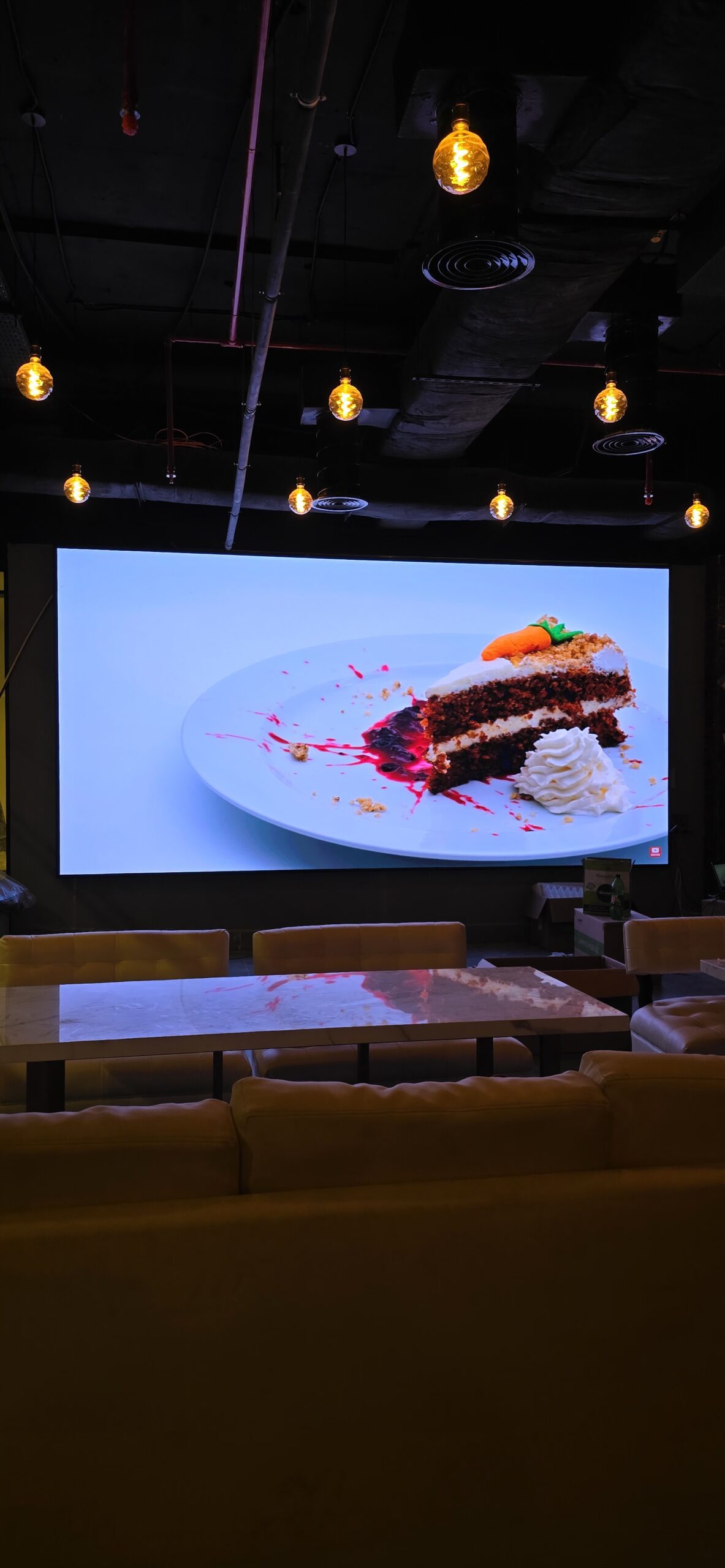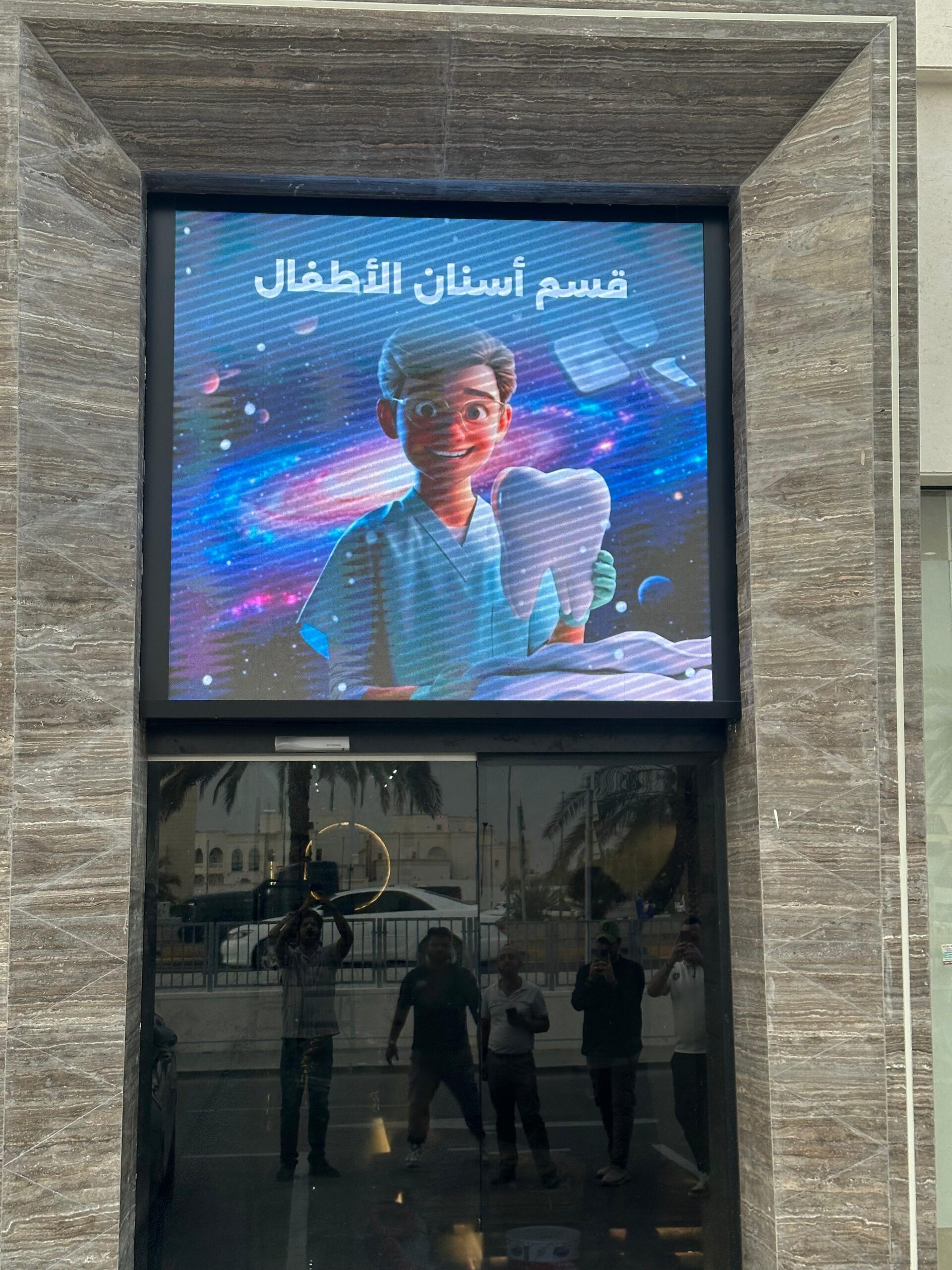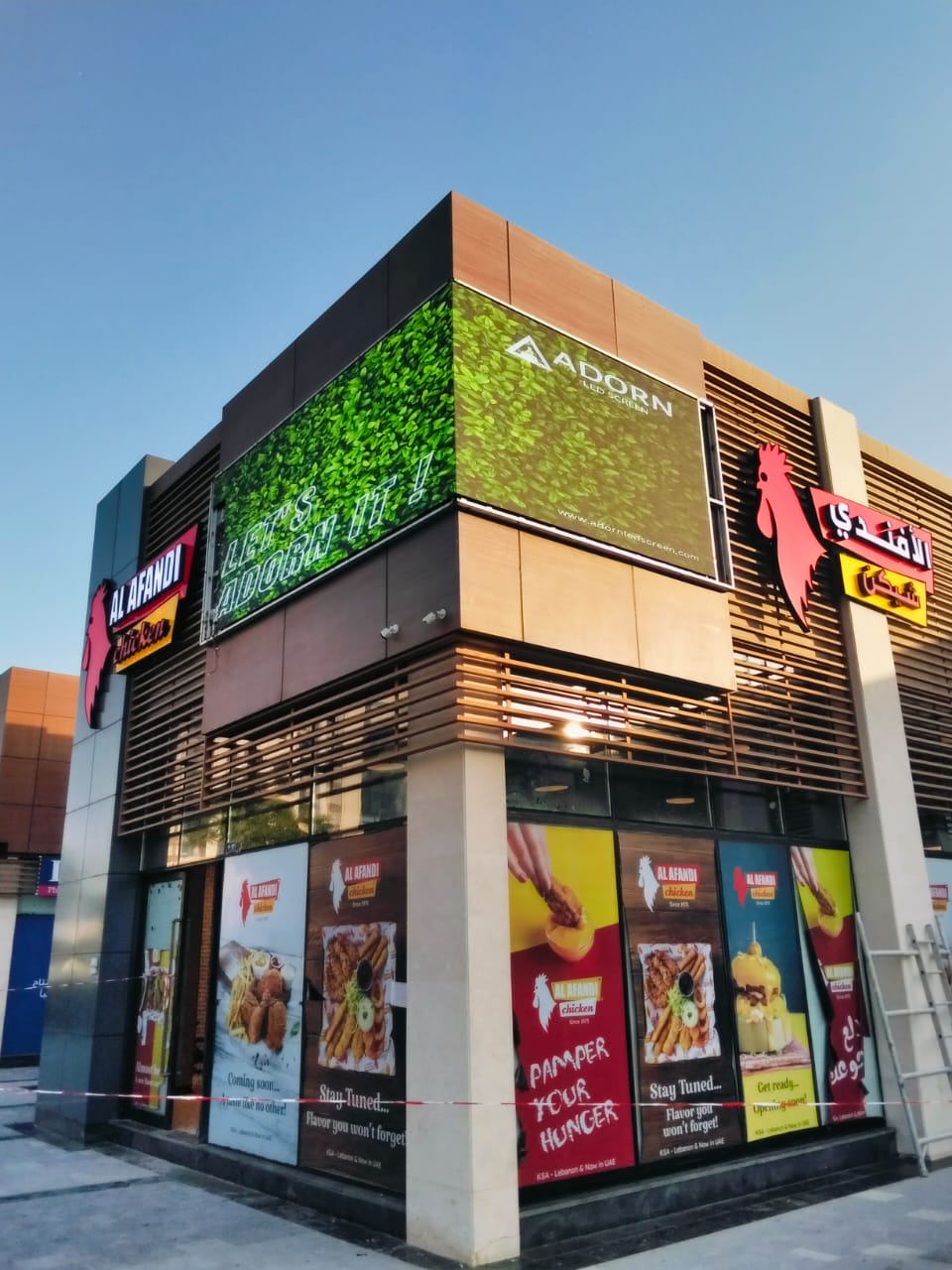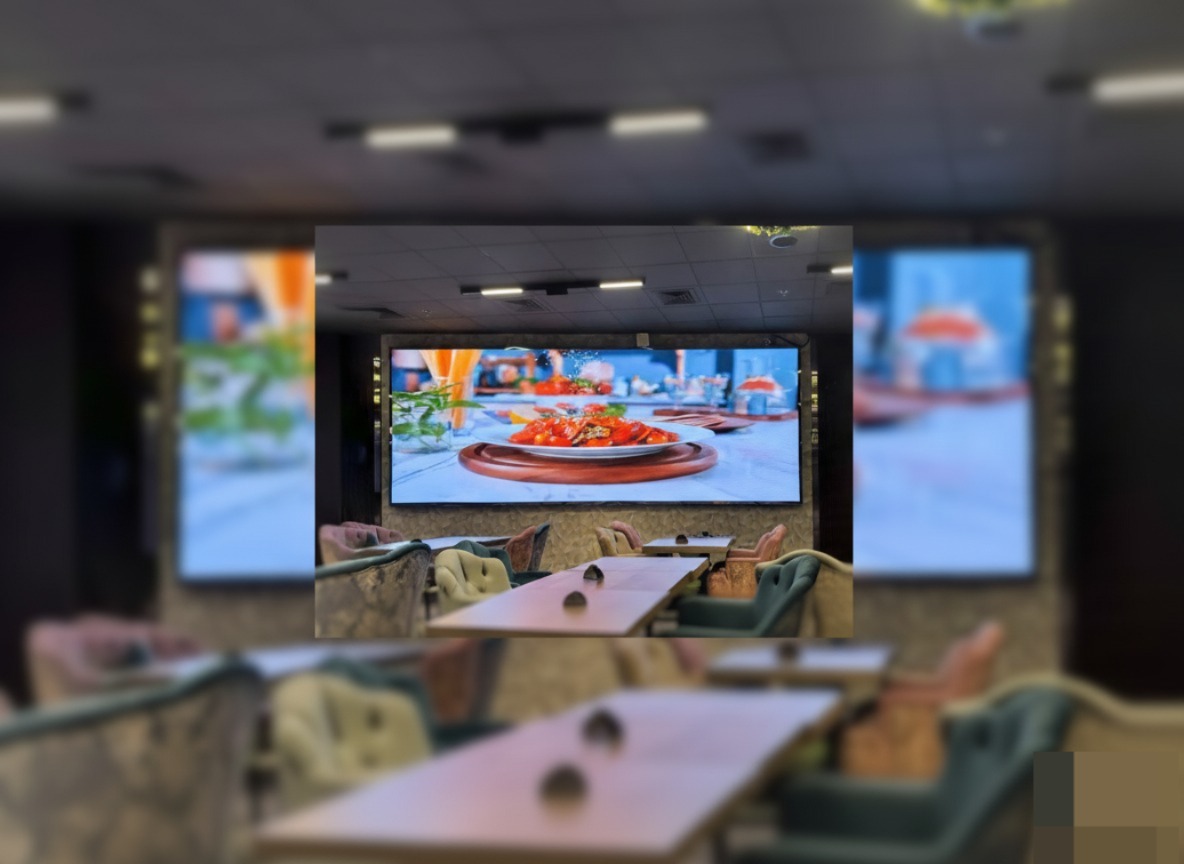
Wall-mounted digital signage is a screen fixed to a wall to display dynamic digital content such as advertisements, announcements, menus, and videos. It helps businesses to update content instantly through a content management system. Using a wall-mounted digital signage makes the communication more flexible, engaging, and visually impactful compared to traditional printed materials.
These displays are widely used in retail stores, corporate lobbies, hospitality venues, and educational institutions to promote products, guide visitors, share information, and display schedules or promotions. Choosing the right display is important for better visibility, durability, and performance, which directly contributes to stronger engagement and improved return on investment.
Display Quality Factors of Wall-Mounted Signage Displays
Resolution
High resolution ensures that text, images, and videos appear sharp and professional, especially when viewed up close in retail or corporate environments. For most indoor applications, 1080p (Full HD) works well, while 4K resolution is ideal for larger screens or locations where detailed visuals and premium branding are important. Choosing the right resolution improves content clarity, enhances visual appeal, and increases viewer engagement.
Brightness
Brightness, measured in nits, determines how clearly the display can be seen under different lighting conditions. Indoor spaces with controlled lighting may require moderate brightness, while semi-outdoor or well-lit areas need higher brightness levels for better visibility. Selecting the correct brightness based on ambient light ensures the screen remains readable and impactful throughout the day.
Viewing Angle
A wide viewing angle allows content to remain clear and consistent even when viewed from the sides. This is especially important in retail stores, lobbies, and public areas where audiences move around frequently. Displays with better panel technologies, such as IPS panels, typically offer wider and more accurate viewing angles compared to other panel types, ensuring better visibility and a more professional presentation.
Mounting & Space Requirements
Wall Load & Installation
Before installation, it is important to consider the weight of the display and whether the wall structure can safely support it. Proper structural support ensures long-term stability and prevents accidents. While professional mounting guarantees secure installation and alignment, DIY setups may increase risks if not handled correctly. Following safety standards and local building codes is essential for reliable and compliant installation.
Ventilation & Heat Management
Heat management plays a key role in extending the lifespan of the display. Adequate spacing around the screen allows proper airflow, preventing overheating and performance issues. Commercial displays are designed for continuous operation with better heat control systems, unlike consumer TVs, which are not built for long operating hours. Proper ventilation ensures durability and consistent performance.
Aesthetics & Placement
Correct placement improves both visibility and overall appearance. The screen should be installed at an optimal height and viewing distance to ensure comfortable viewing for the audience. It is also important to avoid glare from windows or strong lighting and to keep the display free from physical obstructions for maximum impact.
Connectivity & Control Options
Wall Load & Installation
Before installation, it is important to consider the weight of the display and whether the wall structure can safely support it. Proper structural support ensures long-term stability and prevents accidents. While professional mounting guarantees secure installation and alignment, DIY setups may increase risks if not handled correctly. Following safety standards and local building codes is essential for reliable and compliant installation.
Ventilation & Heat Management
Heat management plays a key role in extending the lifespan of the display. Adequate spacing around the screen allows proper airflow, preventing overheating and performance issues. Commercial displays are designed for continuous operation with better heat control systems, unlike consumer TVs, which are not built for long operating hours. Proper ventilation ensures durability and consistent performance.
Aesthetics & Placement
Correct placement improves both visibility and overall appearance. The screen should be installed at an optimal height and viewing distance to ensure comfortable viewing for the audience. It is also important to avoid glare from windows or strong lighting and to keep the display free from physical obstructions for maximum impact.
Looking for LED Screen Support?
Let’s have a quick discussion with ADORN LED Screen experts.
Operating Hours & Reliability
Commercial vs Consumer Screens
Commercial displays are designed for extended operation, with duty cycle ratings such as 8/7 or 24/7, meaning they can run for long hours without performance issues. In contrast, consumer TVs are built for limited daily use and may overheat or wear out faster when used continuously. Commercial panels are engineered with better cooling systems, stronger components, and enhanced durability, allowing them to last longer under demanding business environments.
Durability and Warranty
For business use, extended warranties and reliable service support are essential for minimising downtime. Displays installed in high-traffic areas must be rugged and capable of handling continuous use, temperature variations, and frequent content updates. Proper maintenance planning and dependable after-sales support help maintain uptime, protect investment value, and ensure consistent performance over time.
How to Avoid Common Buying Mistakes
Choosing Based on Price Over Quality
Selecting the cheapest option may reduce upfront costs, but it can lead to higher maintenance expenses and a shorter lifespan. Always evaluate performance, durability, and long-term value instead of focusing only on price. A quality commercial display provides better reliability and a stronger return on investment.
Ignoring Brightness and Ambient Lighting
Failing to consider the surrounding lighting can result in poor visibility and ineffective messaging. The display’s brightness should match the installation environment to ensure clear content at all times. Proper brightness selection improves readability and overall audience engagement.
Skipping CMS and Remote Control Capabilities
Without a content management system (CMS), updating content can become time-consuming and inefficient. Remote access allows businesses to schedule, manage, and update displays from anywhere. These features save time, improve flexibility, and enhance operational efficiency.
Using Consumer TVs for 24/7 Operation
Consumer televisions are not designed for continuous commercial use and may overheat or fail under long operating hours. Commercial displays are built for extended performance with better cooling and durability. Choosing the right type prevents unexpected breakdowns and costly replacements.
Quick Checklist Before Final Purchase
Before finalising your purchase, make sure you review the following key points for meeting your technical, environmental, and long-term performance requirements of a wall-mounted LED screen.
- Check resolution and screen size suitability.
- Confirm the brightness level for the environment.
- Ensure proper mounting and ventilation support.
- Verify CMS and connectivity options
- Confirm duty cycle and warranty coverage
- Choose a reliable commercial-grade display
Conclusion
Selecting the right wall-mounted digital signage requires careful evaluation of resolution, brightness, viewing angles, installation requirements, connectivity options, and operating hours to ensure optimal performance. A well-chosen commercial-grade display enhances visual communication, improves engagement, reliability, and long-term return on investment.
Businesses can maximise the impact of their digital signage while ensuring smooth operation and sustained value over time by avoiding common buying mistakes and prioritising quality, durability, and proper system integration.