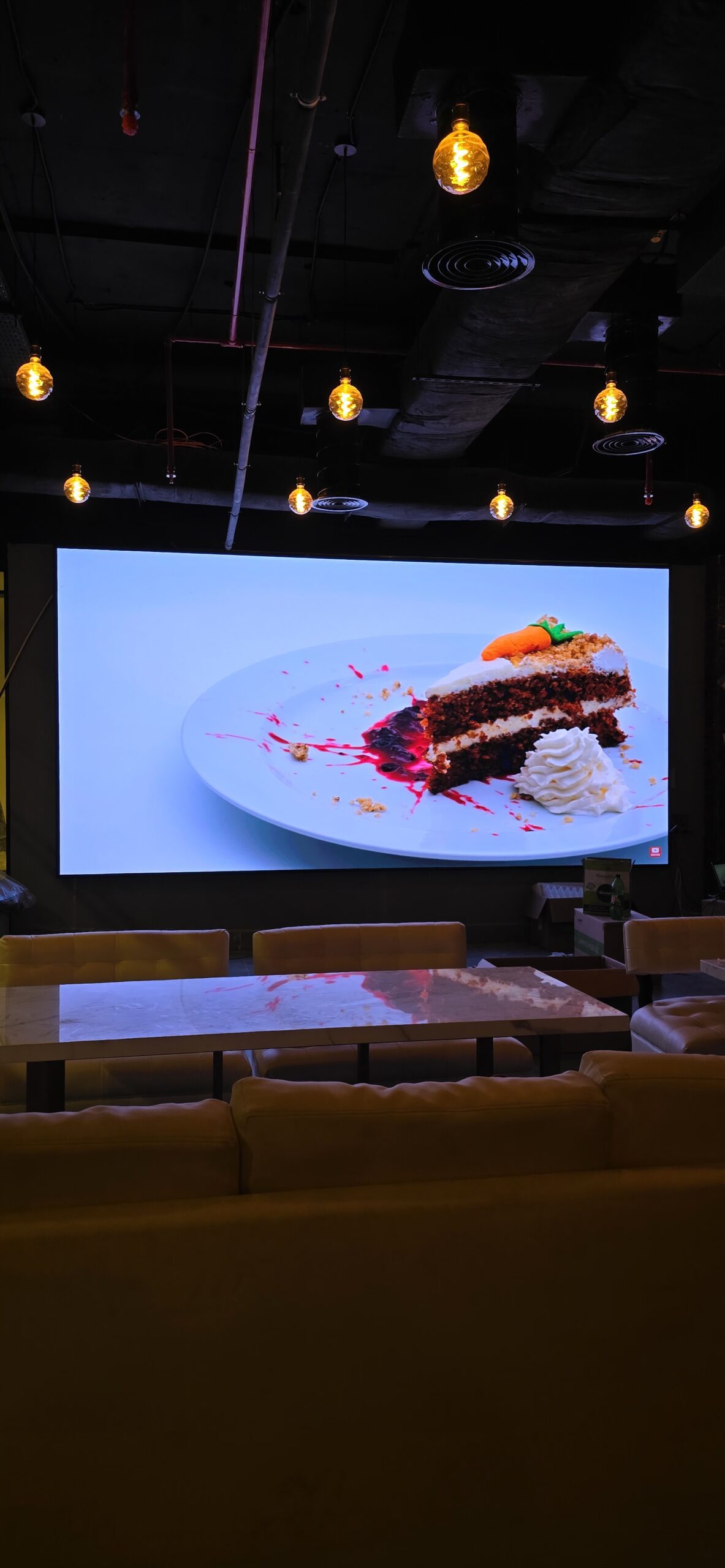
If you are planning a promotional event in a mall, an LED video wall is a practical display solution for engaging the audience. LED video wall stand activation refers to assembling LED panels into a configured layout and mapping the screen using a video processor. For events and exhibitions, a temporary setup is typically used with a ground support system for stability.
In larger stage-based events, lighting truss structures may also be used to suspend the LED panels. Read further to understand how LED video wall activation works for events and promotions.
Common Use Cases of LED Video Walls
LED video walls provide an immersive experience for audiences at marketing and entertainment events. These screens deliver high-quality visuals for viewers. They are used in promotional events, sponsored programs, trade shows, and product launches.
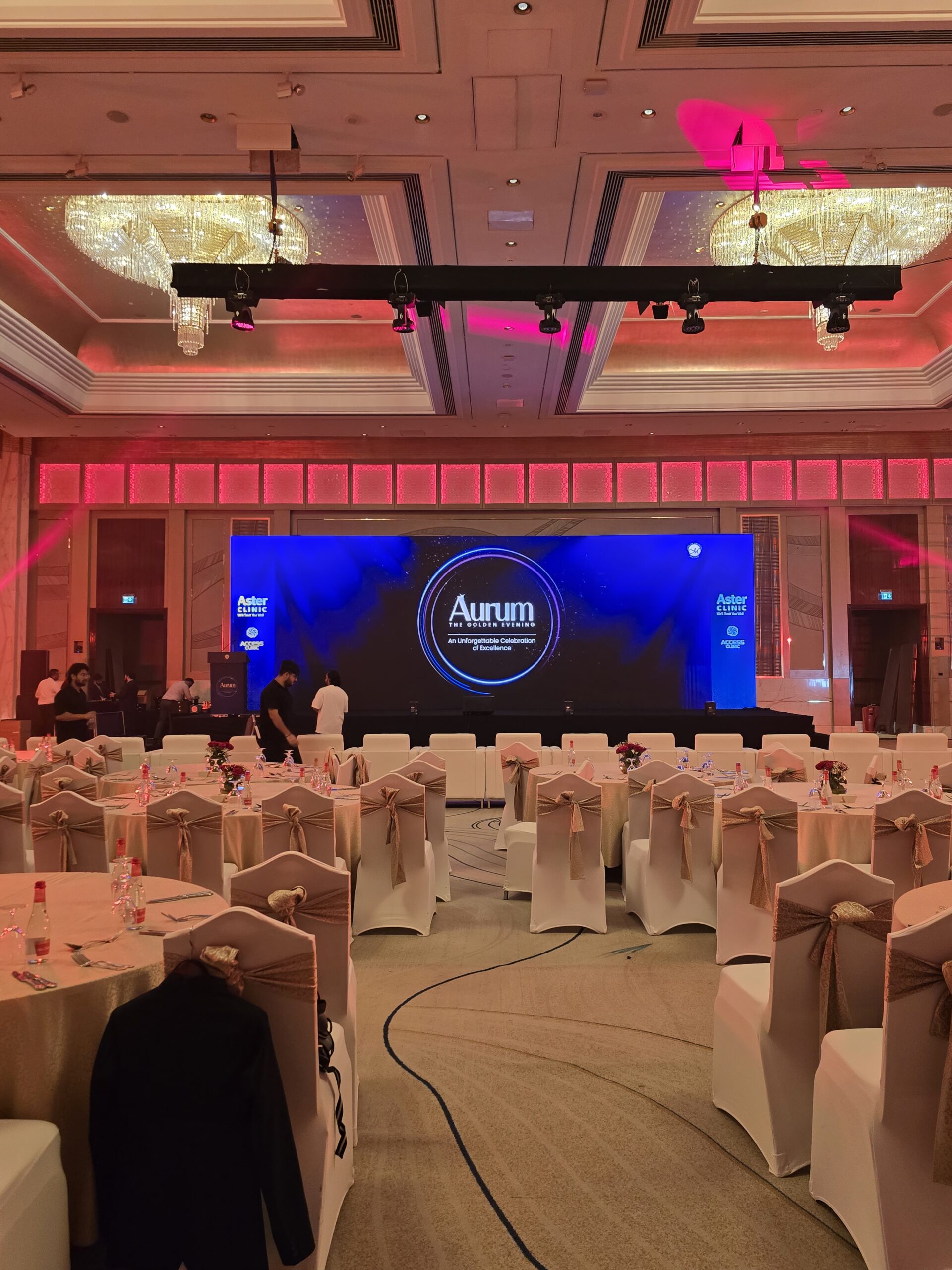
- Event Stage Backdrop: LED video walls are used as a stage backdrop in corporate events, award shows, and entertainment programs. They display dynamic visuals, presentations, and branding elements behind the speakers and performers.
- Exhibitions: At exhibitions and expos, LED video walls help to attract visitors to booths by showcasing product demos, promotional videos, and live presentations.
- Product Launches: During product launches, LED screens are used for countdowns, reveal moments, promotional content and live streaming to enhance audience engagement.
- Trade Shows: In trade shows, brands use stand-based LED video walls to display high-quality visuals to stand out.
- Live Feeds: LED video walls are also used to broadcast live camera feeds, presentations, and event coverage in real time.
- Branding: Companies use LED screens to display logos, sponsor messages, animations and campaign visuals throughout an event.
- Concerts: At concerts and large stage events, LED panels are often integrated into truss systems to provide high-impact visuals and synchronised stage graphics.
Basic Components for Activating an LED Video Wall
Support structure
A ground support structure holds the entire setup together. It is the foundational element of a stand-based LED video wall. Once the support system is properly installed and levelled, the remaining components can be assembled securely.
LED panels
LED panels are the primary display units of the video wall. The overall screen size can be increased by adding more panels to the structure. When assembled and connected, the panels form a seamless digital display surface.
Power cables
Power cables supply electricity to each of the LED panels. Since LED video walls need a significant amount of power, proper power distribution is important. Stable power is needed to provide consistent brightness and to prevent flickering during events.
Data cables
Data cables help in the transmission of visual signals from the video controller to the LED panels. These cables are connected to LED panels in sequence for content display. Additionally, proper cable management is crucial to prevent signal disruption or disconnection during the event.
Video controller
The video controller is one of the most important parts of the LED video wall. It receives input from media sources from laptops and a camera and sends processed signals to the LED panels. During the LED video wall activation process, the controller is configured to map the screen layout according to the LED panel arrangement. Correct mapping is important to ensure that the visuals appear in the proper position and resolution.
Installation Flow Overview
Site Inspection and Preparation
The first step in setting up an LED video wall is to assess the site. This involves checking the available space, ensuring a proper power source is available, and measuring the installation area. This step is crucial for planning the screen size and determining the number of LED panels required for the setup.
Stand Setup and Structural Alignment
Then, assemble the ground support structure. The most important aspect of the stand setup is ensuring proper level alignment and stability. Before mounting the LED panels, complete all necessary safety checks.
Mounting and Connecting LED Panels
After completing the stand setup, install all the LED cabinets or panels onto the frame. While assembling the panels, ensure that all locking mechanisms are securely fastened and check the alignment carefully.
Power and Data Cable Connections
Next, make sure that each cabinet receives a stable and dedicated power connection. Once power connections are secured, link data cables between the panels in the correct sequence. Organising cables is important for safety and a professional finish.
Processor Configuration and Screen Mapping
After completing the physical connections, connect the LED video processor to the input source, such as a laptop, media server, or camera feed. Then, map the LED video wall layout using the processor software. Accurate mapping is important for the correct alignment of images and videos. Once the layout is mapped, adjust the resolution settings according to screen size and content requirements.
Screen Testing and Quality Check
Now it’s time to perform a complete power-on test of the LED video wall. Check whether all the LED panels are working properly and showcase uniform brightness. Also, maintain consistency by adjusting colour calibration to enhance visual quality. Finally, inspect the screen for dead pixels or alignment gaps. Identify and resolve any technical issues before the event begins.
Looking for LED Screen Support?
Let’s have a quick discussion with ADORN LED Screen experts.
Safety & Stability Considerations
While setting up a stand-based LED video wall, safety and stability are important. Proper precautions are essential for the protection of the equipment and the safety of the people. The major considerations include:
- Proper Ground Levelling: Ensure that the floor is flat and stable. Also, use adjustable base plates to prevent tilting.
- Load Distribution: Distribute the weight evenly across the structure for avoiding imbalance.
- Wind and Environmental Factors: For a semi-outdoor event, secure the setup against wind.
- Secure Locking Mechanisms: Double-check panel locks and alignment for preventing gaps.
- Power Safety: Use dedicated power sources to avoid circuit overload, and manage cables properly to prevent hazards.
Conclusion
Stand-based LED video walls are suitable for temporary setups such as promotional events, trade shows, exhibitions, etc. The portability and quick installation process make them a flexible solution for events that need short-term visual impact without permanent mounting.
When properly installed and tested, LED video walls provide professional, high- quality visuals that capture the attention of viewers. For event organisers and marketers, stand-based LED video walls offer a reliable and cost-effective way to create amazing visuals.